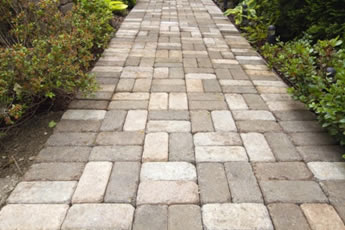
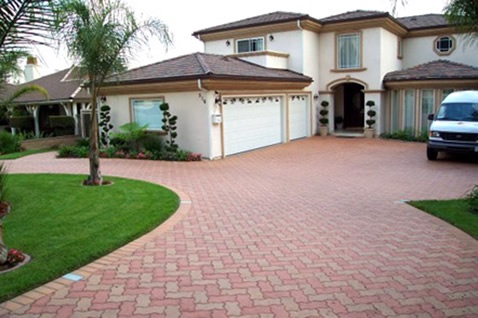
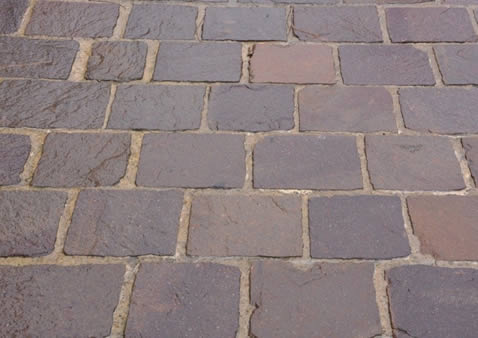
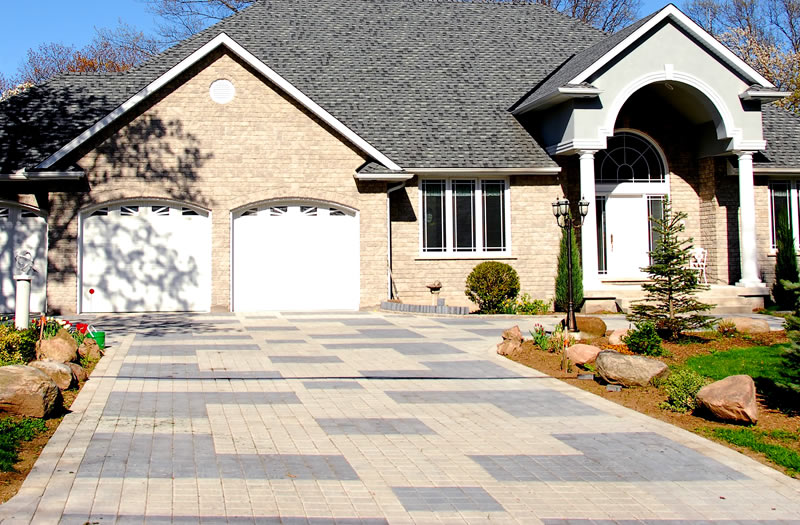
One of those reasons is erosion from water. Here in Florida, it rains a lot, and runoff from that rain can cause the sand beneath the pavers to erode and that in turn, causes the pavers to shift. Pavers can also shift due to pressure put on it. If you have a paved driveway for example, the weight of your vehicle may push the pavers down, causing the sand beneath the brick pavers to move. No one likes sinking pavers; They don’t look nice, and sunken tiles can even be downright dangerous. So the question is, how do you fix them?
Fixing sunken brick tile pavers
Fixing sunken brick pavers is an arduous task, but if you choose to do it yourself there are a few things you need to know. First off, to fix a sunken paver, you will need to pull up the paver and inject water into the sand. Next, add another layer of sand, making sure that it is level. Finally, compact that final layer and put your paver back.
If you need to fix your pavers, and don’t want the hassle of doing it yourself, contact us today for professional assistance
Does bleach damage brick pavers? Since bleach is powerful, it can damage your brick pavers.
Using
bleach to clean up your brick pavers should not be your first option since it
can be problematic. If you find that grass, mold, or other vegetation is
ruining your hardscape, you can try pressure washing first to see if it resolves the problem.
However, if the pressure washing option does not work for you, you can resort to using bleach with caution.
Vinegar
In
case you want to remove algae or mold, you should first experiment with
vinegar. Try spraying a mixture of vinegar and water into the affected area to
see if it works.
Vinegar
solution is a great way to kill off weeds. However, you must proceed very
carefully since this solution can be equally detrimental to your cultivated
plants that you have tended with much care. While working with this solution,
make sure that you use small amounts to prevent the solution from spilling over
into your flower beds or natural grass lawn.
After
spraying vinegar solution into the affected area, allow it to remain for a few
minutes to achieve its intended effect. You may require a scrub brush or a deck
brush to clean up stubborn areas.
After
using the brush, pour water into the area to rinse it well.
Bleach
If vinegar does not work on your hardscape, you can use bleach. To create a powerful mold-killing mixture, you can add one cup of bleach to a gallon of water.
However,
you should exercise meticulous care and caution since bleach can discolor your
brick pavers and thus ruin your precious hardscape.
Since
bleach can have such strong impact on your hardscape and lawn, you should test
it first in a small and inconspicuous patch. Do not be tempted to spray it
immediately onto a large area, or else you’ll have to deal with discoloration.
First, carry out a test on a small patch of your hardscape to confirm that it won’t
ruin the brick pavers.
You
should spray the bleach solution carefully to make sure that it does not flow
into your flower beds, lawn, or plants. Since bleach is detrimental for the
environment, you should also take care that it does not flow away into a storm
drain.
Remember
to rinse the area well after applying the bleach solution to the affected area.
If mold and algae have developed a tenacious hold on your hardscape, you may
need to spray the affected area with bleach and then rinse it off two to three
times.
Commercial
Solutions
In
case vinegar and bleach don’t work, you may have to resort to a commercial
solution to get rid of mold and algae.
Having
trouble removing pesky mold and algae from your brick pavers? Worried that
bleach will damage your brick pavers?
You
should reach out to us for professional assistance.
One of the best ways of increasing the charm and elegance of your home is to maintain the paving stones in good condition. If you take proper care of your pavers, they can prove to be durable besides being a beautiful addition to your property landscape.
Here
are the simple tips to
keep pavers looking new.
1.
Sweep
Your Pavers Regularly
Use
a broom to sweep your pavers regularly. Make sure that you sweep off the debris
and dust from your pavers at least once a day.
If
you think that it will rain soon, then you should sweep off leaves and dirt
from your pavers because these things can leave stains on your pavers if they
get wet.
2.
Pour
Water to Rinse Your Pavers
Utilizing
a hose and its attachment, you can pour water on your pavers so that it takes
away the dirt and debris that remains even after sweeping.
Of
course, sweeping can remove the bulk of dirt and debris but not all of it.
You
do not need to resort to pressure washing unless there are moss and mold between
your pavers.
The
cleansing effect of water will leave your pavers glistening like new and make
you one proud homeowner.
3.
The
Paver Solution
You
can make a cleaning solution to get rid of stubborn dirt and stains on your
pavers. Fill up your bucket with water and add in some dish soap. You may then
dip the rag or sponge (with which you will be cleaning the pavers) into the
solution and then scrub the problem pavers.
A
little bit of elbow grease will work wonders besides a good cleaning solution.
For oil stains, however, you must make use of an oil remover.
4.
Paver
Sealer
It
is a good idea to apply paver sealers once a year to shield your beautiful
pavers from the harsh elements. Sealers will make your pavers look as good as
new.
The
sealant works by preventing stains and dirt from penetrating the surface of
your stone pavers. Without a sealant in place, stains and dirt can wreak havoc
on your pavers.
Since
the sealant provides a smooth glossy surface, they are easier to clean. You can
wipe off dirt and debris much more easily from the sealant surface.
The
sealant also provides a lustrous and silky surface for your pavers to give them
a brand new look.
There
is so much that a good sealant can do for your pavers. The sealant is your
friend since it provides an easily cleanable surface that will help to save
your time and reduce drudgery.
5.
Replace
Old or Damaged Pavers
If
a paver is damaged or heavily stained, you can get professional help to remove
it without damaging the surrounding paving stones.
With
professional assistance, you can get the job done perfectly in a short time.
Whether
it is applying a good sealant or fixing your pavers, you can count on us to do
things right. With our help and the aforementioned tips to keep pavers looking new, you will
save time, effort and money in the long run.
Brick pavers are a fine solution for outdoor flooring since they are so attractive and durable. Since they are so hard wearing, they require little maintenance. This is a key reason for their continued popularity throughout the ages. For easy maintenance, you can replace brick paver sand. However, the sand between the pavers is not as rugged. Brick pavers are often exposed to the harsh elements like rainfall and sun. As a result, brick paver sand may be lost over the passage of time. Even routine washing can cause the sand between the brick pavers to flow away.
Sanding
Sand has an important role to play since it secures brick pavers. The sand also waterproofs the gaps between the brick pavers otherwise water will infiltrate very easily. Weed may start growing as a result. Frustrated homeowners can attest how difficult it is to get rid of annoying weeds. The sand that lies in the gaps between brick pavers is the key to its strength. Thanks to the sand, brick pavers will not move relative to each other and will stay in place. When the brick paver sand is dislodged it should be replaced otherwise, the brick flooring may lose its structural integrity.
If the sand gets washed away, you can replace it by pouring in joint sand. Don’t worry if all of it does not get into the gaps. The sand that has fallen outside the gaps can be directed into the cracks simply by using a broom. So sweep the brick paver floor with a broom until all the sand is cleared.
Filling The Gaps
Fill up the gaps till the sand is at a quarter inch depth from the brick paver surface.
The sand used to secure brick pavers is a special kind of sand. It is commonly found in hardware stores.
To prevent the sand from getting washed away, it is a good idea to seal the paver surface. The sealing will also lend greater aesthetic appeal to the brick pavers. Just like any other glue, the sealing holds the sand particles together so that they are not washed away as a result of the rain or pressure washing.
The sealer can last for a number of years. It should be replaced to ensure continued protection for your brick paver system. You should wash the brick pavers and reapply the seal so that the brick paver installation becomes as good as new. Resealing will also bolster the resistance of your brick pavers to moss and weed.
The sealing also helps the joint sand to stabilize. It is therefore a measure that you can take to maintain the longevity of your brick paver flooring. Besides stabilizing the sand in the paver joints, the sealer will also keep your brick pavers free from rust, oil, grease and other stains.
Whether you want to replace brick paver sand or would like to restore your brick pavers to pristine conditions, then you can rely on Platinum Pavers to do a great job. We can restore faded and dull looking brick pavers back to their aesthetic glory. We have expertise in all kinds of materials like clay, travertine, marble, shellstone and several other natural stones.
Pavers are the brick-like slabs that you see on walkways, driveways, and patios. They provide a durable surface to minimize paver maintenance. To extend the life of your sanding pavers, you can seal brick pavers.
Brick pavers are the answer
to low paver maintenance.
They are ideal for places that will see heavy foot and vehicle traffic. These
rugged brick pieces can lend the classic and timeless appearance to your
walkways as well.
A joint-stabilizing sealer provides several benefits over conventional sealers. They can penetrate not just the brick pavers, but also the sand within the joint.
Resistant To Stains
Thanks to the sealer, your brick pavers will be more resistant to stains from spills, dirt, and oil. Sealed brick pavers also have a higher resistance to discoloration brought about by UV rays.
Sealers
also have different levels of gloss to give you the look that you desire. You
can select a range of finishings from matte to high gloss.
You can stop the growth of troublesome weed between joints by using joint stabilizer sealers. These sealers work by penetrating into the sand joint to harden it. The joint will then have greater resistance against wind, rain and the elements.
Paver Maintenance Routine
Paver
maintenance is necessary for preserving the integrity of the joint seal. With
acrylic sealers, you will need to reseal after 2 to 3 have elapsed and with
water-based sealers, you must reseal after 3 to 5 years have passed.
It
is good practice to wait for at least a year after the installation of sanding
pavers before you seal them. This time period will drive away efflorescence,
otherwise it will be trapped under the sealant to give a dusty appearance.
You
should seal brick pavers to protect your investment and ensure that your brick
pavers last for a long time.
Ever need to hire a Brick Paver Contractor and don’t know one? Adding a paver patio or walkway to your home can enhance its beauty and functionality – and value. But these additions must be properly planned, integrated and installed, or you could very well find your investment falling apart in no time at all. So how do you ensure that this doesn’t happen? Hiring the right brick paver contractor is a must. Here’s some tips on selecting the right one so that you get the dream project you are envisioning.
Ask The Right Questions
There are questions that you should ask yourself before you even reach out to a contractor. Research product manufacturers online to get an idea of what you are interested in. Then find out:
• Is there a warranty or guarantee period? If so, how long?• What colors can you pick from?
• Are designs and borders available?
• How readily available is your product?
• Do they use lower quality materials?
• Are the contractors I’m researching licensed and
insured?
• What are the contractor reviews like online?
• What are the contractor skill sets and experience? Do they
show before and after pics?
Once you begin the process of contacting the brick paver contractor(s), ask them specifics including if they have a list of references, do they subcontract anything, what is their timeline, do they supply estimates, contract terms and payment information? Find out if they will be responsible for any applicable permits or licenses.
Other Considerations
It’s also recommended that you look at the contractor
website to view any applicable information including photos of past projects, how
their designs compliment the rest of the landscaping and home, as well as if
there are reviews. If not listed, ask about their base installation and grading
strategies, their design input, the types of brick paver stones available
including colors, sizes, shapes and patterns. One of the most important
questions to ask: proper drainage and water absorption, as this can affect
other elements of your landscaping including trees, bushes, flowers, and most
importantly, the foundation of your home.
Although doing all of this homework may seem exhausting, it
will definitely pay off in the end as you will be well-educated about the paver
project you wish to create, and better able to select the right contractor who
is aligned with your creative ideas and vision.
Once you’ve had your brick pavers installed, the goal becomes making them look as new as possible – for as long as possible. You’ve put a lot of time and effort (and money) into researching and hiring the right paver company, the types of pavers that work best for your project including proper colors, textures, paver placement and more. You want your investment to last.
Even the best pavers can
become worn and unsightly over time. This is usually a result of harsh weather
conditions including excessive heat, sun and rain, as well as foot traffic and
ground cover that’s weakened or shifted from tree roots or ground settling. Your
pavers may actually become dirty, moldy, or faded after just a few months.
While much of this is considered normal wear and tear, there are steps you can
take to make your brick pavers look better and last longer. Here are some tips to get you started.
Since most pavers are outdoors, they understandably get dirtier over time. It is recommended that you regularly spray the area with a hose, making sure to target any crevices and joints in particular. If you have already sealed your pavers with a hard seal finish or have used polymeric sand, it is likely your pavers will need to be pressure washed, which is a great way to keep your pavers looking fresh.
Periodic Sanding of Pavers
When installing brick pavers, you probably haven’t realized that you’ll need to periodically replace the sand that fills the spaces between the pavers – sand that will harden when moistened to form a secure bond and surface. Proper sanding is an important step in attaining a great looking patio or walkway, since it aids in the prevention of weeds and the protection of the pavers themselves. Using the proper fill sand can also helping hold the pavers in place, preventing unevenness and shifting. A professional paver company is an excellent option to handle this type of maintenance. They can also properly clean your pavers and gently sand the overall paver area.
Paver Sealing
Sealing your pavers is a process that should be done at least every 3-5 years, depending on the amount of exposure to the sun, water pooling, weathering and damage, or amount of foot traffic. This helps prevent color fading and surface corrosion, keeps the sand joints from washing out, and helps deter weeds and insects from compromising the joints. It is also recommended that you clean your pavers periodically by spraying them with a water hose and sweeping with a bristled broom.
Once installed, brick patio pavers can add exceptional beauty and functionality to your home and its overall landscape. But over time, these pavers can start to show their age in a variety of ways, including letting weeds pop through, having uneven surface spots, empty joints or even loose or cracked pavers. Over time brick pavers can also become very dirty if not cleaned regularly. Power washers, on the other hand, can leave streaks and lines. If you’ve replaced any of the pavers over time, there might be some that don’t match in color. But there are many options available as a homeowner to bring new life to your patio pavers.
Handling Repairs
There are many reasons why brick patio pavers can start to fail, and it’s usually best to contact a professional paver company to handle the repairs. The first thing that should be done is identify any loose or broken pavers, as these can be dangerous to people walking on them, or items being placed on them. Usually this means your paver patio needs to be re-bedded, but first the cause of the problem must be identified. Simply packing more mortar into the joint and hoping it fixes the issue usually doesn’t work unless you get to the root issue. Often the wrong type of base material was used initially, or the foundation was inefficient, or the edges of the patio were improperly restrained. Sometimes just old age can take its toll on a brick patio.
What To Expect
When you hire a professional patio company, they will first assess/diagnose what the main issues may be. There’s a chance that the entire patio will need to be re-bedded before any pavers are put back in place. Once the bedding layer is fixed, pavers are repositioned with any damaged pavers being replaced. Next, the entire working area will be professionally cleaned.
Proper Paver Maintenance
Once your patio pavers are fixed, simple maintenance can add years to your patio. As mentioned earlier, don’t use a power washer, instead use a regular garden hose with a spray attachment to remove the majority of dirt and grime. It’s important to regularly sweep your patio, preferably before any rain since dirt and leaves can leave stains when they are exposed to moisture. Just remember to always be vigilant in maintaining your brick patio paver investment.
Watch our video on repairing bad or sunken brick pavers on a recent patio project in Fort Myers Florida. If your brick paver patio looks like this, we can help restore your patio back to its original beauty. Call us today for a FREE estimate for your project at 239-229-1377. We service all of SW Florida from Punta Gorda to Marco Island and Sanibel.