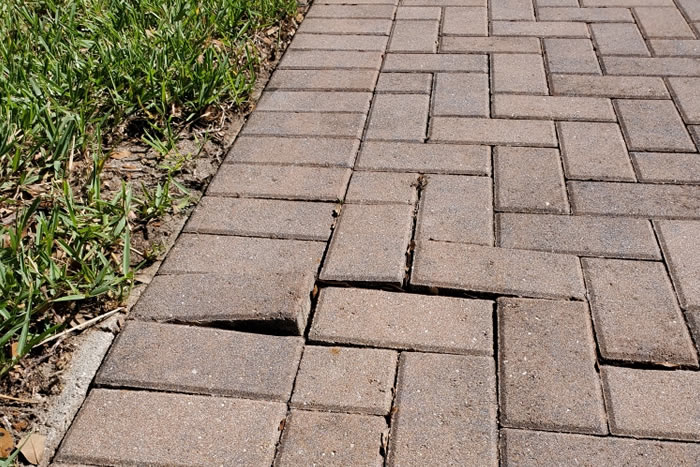
Right now we are checking to see how level the pool is. As you can see, the pavers have sunken very deep.
First we remove the pavers from the sinking area, careful to make sure not to break the pavers because we will want to re-use these pavers later. Sand is clearly missing from the underside of the pavers, which is why they are sinking so much.
Watering The Sand
Next, we injected water into the sand under the uneven pavers, both to sink it so we can find out how much sand we need to add as well as to solidify it. We do this for a couple minutes in all the affected areas so the sand sinks as deep as possible.
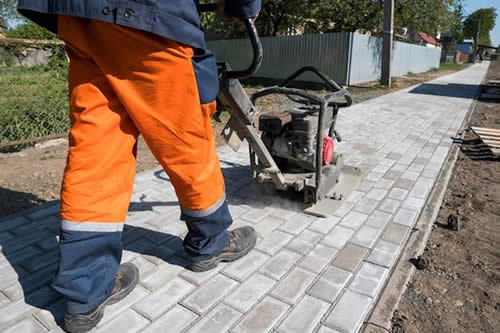
We then place in the new sand and spread it around the area with a spreader, and then compact it, either with a handheld compactor, or a compacting machine, depending on the nature of the job. We go slowly and methodically to ensure that the entire surface is compacted well.
Putting The Pavers Back Into Place
For the next step, we place back the old bricks, (if possible) to keep the same color.
Paver Sanding
Finally, we add some surface sand and spread it into the cracks in the bricks and throw some water on the area, to make the sand sink into the bricks and fill in the cracks.
And now, after cleaning up our supplies and tools, we’re done.
Brick Pavers Need Maintenance to Retain It’s Beauty
Brick pavers can make a dull walkway, driveway, or patio look brand new and beautiful. Nothing matches the aesthetics of a freshly paved area. However, dirt, weeds, and regular wear may compromise the neat look of the blocks. Like anything, brick pavers need maintenance to keep looking great.
A maintenance plan focused on cleaning, sealing, and weed control is essential for preventing damage and promoting the longevity of the bricks. The upfront maintenance work saves you plenty of time, money, and effort of replacing the bricks down the road.
Thankfully, brick pavers are easy to maintain, which explains why they’re so popular among property owners.
Maintenance Tips for Brick Pavers
Follow the tips below to ensure your brick pavers keep looking clean and stunning for years to come.
1. Reseal, Reseal, Reseal
Almost a year after installation, your brick pavers may start losing their shine and look slightly dull. To retain their look and help them last a lifetime, you must invest in quality resealing applications.
It’s best to hire a professional for this task. They’ll clean the surface first and allow it to air dry. Once fully dried, they’ll begin sealing using a specially formulated brick paver sealer.
2. Fill the Cracks
It’s not uncommon for brick pavers to crack over time. Polymeric sand is the best option when it comes to filling these cracks. It hardens when moistened and holds the pavers in place, preventing the growth of weeds in between bricks.
3. Sweep the Dirt Regularly
Dirt and debris can rob your brick pavers of their beauty if you don’t clean the surface regularly. Sweep all of nature’s debris and dust to prevent staining and reduce your chances of slipping on wet leaves.
4. Give a Quick Wash Down from Time to Time
It is also crucial to spray your brick pavers with a hose to get rid of the grime and stains on the surface. While at it, make sure you don’t spray the water directly into the joints, as it may ruin the sand, especially if you use regular sand.
5. Scrub Away the Stubborn Stains
To remove stains from the surface, you can mix a mild detergent with water and scrub them with a wire brush. It’s best to test the brush and detergent solution in a small area for possible damage. Once you’ve scoured the entire surface, clean it thoroughly to ensure the detergent is completely washed away.
6. Run Weekly Inspections
Lastly, you must inspect your brick pavers every week to make sure there are no cracks or damages that may harm you or others. You may notice cracks, shifts, and chips from time to time. But don’t worry. They can easily be repaired.
Brick pavers need maintenance to keep looking like new. With these maintenance tips for brick pavers, you can ensure that your walkway, driveway, patio, and pool area are always in top shape. At Platinum Pavers, our experts have extensive knowledge of brick pavers. Feel free to contact us for expert advice and assistance.
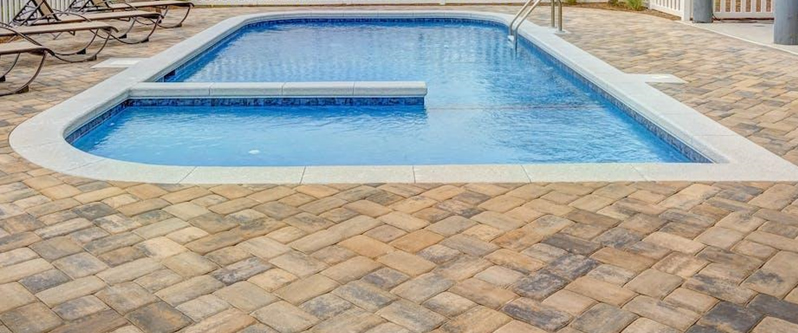
Right now, we’re going to show you how to remove and replace loose tile from the edge of your pool deck. As you can see, we are removing the excess thinset that was left from the last layer used to pack in the tile by getting rid of it with a screwdriver and water. Next get your tile and put a lot of thinset on the back so that when you push it down the thinset will push out from the edge of the border of the tile.
As you can see, the thinset is pushing out from the tile and it acts as its own sealant locking in the thinset. You’re going to want to wipe it off with water but make sure none of it falls into the pool, as this thing can cause damage to your drain.
Now as you can see, we’re wiping it off with a wet sponge to make sure it’s clean and packed in. We’re going to be doing the same thing with the top tile, putting a lot of grout slash thinset on the back and packing it in nicely with a screwdriver. Once again, we get water and a wet sponge and we wipe down the surface making sure to pack it in with the tiles. Finally, we’re just going to wipe it down fully with the wet sponge one last time to make sure that it’s all clean. As you can see this amazing job was done by Platinum Pavers. We specialize in brick paver coping on the edge of pool decks and we repair them. Contact us at 239 316 4630 or info@platinumpavers.net. Click here to watch our video on YouTube
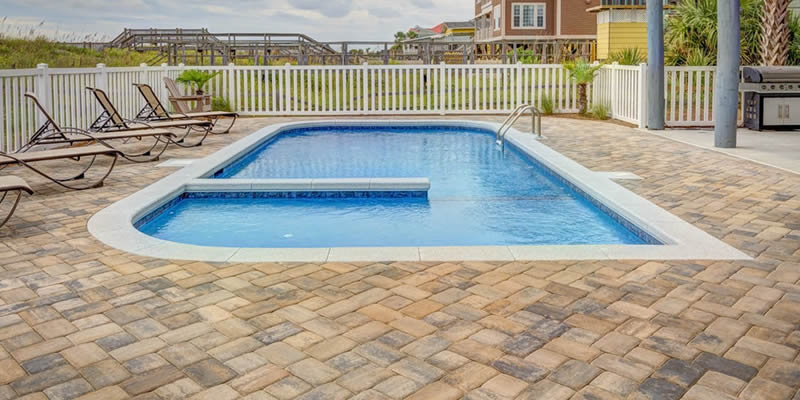
Summer is coming up! Are you planning to throw the best pool party ever? That’s great, but do you think your pool doesn’t look good enough to impress your friends and family? Don’t worry! Start working on maintaining your pool deck.
It is crucial to take good care of your poolside as it adds value to your house. Many buyers perceive it as a luxury rather than a liability. So, make sure the outdoor areas of your house (especially around the pool area) stay well-maintained.
Clean the Paver Pool Deck
First of all, you need to assemble your pool deck cleaning tools to get going. These tools include a broom, garden water hose or pressure washer (optional), and a good quality detergent. Let’s get started!
Start with a broom. Sweep off the excess dust or debris stuck in the pavers. Put aside any poolside furniture or pots that might get in the way while cleaning. Be sure to brush away any litter or leaves settled between the pavers.
Next, take out your hose and connect it to a water supply. Hold the hose at a 25-degree angle above the ground and start spraying. Drench every paver on your pool deck evenly.
Now, pour detergent and scrub with a broom across the pool deck, soaking all edges of the pavers with lather. Leave it for 5 to 6 minutes. Once all stains have been gotten rid of, fit a nozzle to the hose and spray it all over the deck to rinse the pavers. In case some stubborn spots are left, use a pressure washer to quickly remove stains from the surface.
Finally, grab a hose or pressure washer to wash the pool. Always keep the drain open while cleaning the pool. Look out for any signs of mold or calcium deposits inside your pool and remove them accordingly.
Tips for Maintaining your Paver Pool Deck
To reinvent your pool deck, create a vibrant atmosphere by replacing worn-out poolside furniture with stylish hammocks and chaise lounges. Add a swivel lounge chair with an umbrella shade or a ball-shaped swing chair for a modern look.
Add new lights strung through plants, preferably yellow fairy lights, to uplift the ambiance.
Repair small cracks on your pool deck twice a year. If the crack is moving, replace the brick with a new one and allow it to set completely before use. By doing so, you will add more years to your pool deck.
Avoid splotches and soaking of water by sealing it every year. Ideally, use three coats – two tinted and one clear coat to keep your paver deck fresh. Moreover, make sure your paver deck is saltwater resistant.
Build a paver deck with alternate colors to make it look more vivid. If you want to keep it bright and happy, use terra cotta bricks with a blend of charcoal bricks surrounding the deck.
During winter, add a fire pit with woven outdoor armchairs to add warmth to the look.
Make sure the style you choose for your pool deck matches the aesthetics of your house.
Right now we’re removing the bullnose paver, from the edge of the pool deck, so that we can replace the sealant that was previously used, with a higher quality sealant that will lock in the pavers for a longer amount of time. In addition, we’re going to get rid of the excess from the last sealant application used on the edge of the pavers and the pool deck. As a result, this will make the bottom of the pavers cleaner and easier to work with then.
We put in a special type of sand, in between the pavers to fill in the cracks and lock the pavers in a way that will make them not slide around and sit in one tight position. Now we’re going to be color matching the grout to the previous color of grout that was used and then applying a new grout this will make it as though your pool never needed to be repaired in the first place and it will give her a smoother cleaner look.
As you can see the coping around the edge of the pool deck is sleek and clean with new grout and sealant applied as well. This will lock in the pavers for many years to so that they will no longer be unsafe. Now you and your guests can walk on them as you please and no one will ever know there was a problem.
You will need to know how to clean brick pavers to keep your driveway, patio and hardscape in prime condition. A bit of TLC can keep your brick pavers in good condition for a long time to come.
Brick Paver Maintenance
The good news is that brick pavers need little maintenance once they are installed correctly. However, they still require regular cleaning to remain free of moss, mold, weed and accumulation of dirt and debris.
Sweeping
The first step to cleaning brick pavers is to sweep off any dirt and debris that you see. If you notice weeds, you can pull them out by hand or deploy a weed killer to do the trick. You will then want to repeat sweeping and brooming to remove any dead plants from your brick pavers.
Dealing With Mold and Mildew
But what if mildew and mold are also growing besides weed? You cant just pull out these and throw them away. To remove these unsightly and unwanted houseplants, you will need professional assistance. They can perform brick paver maintenance to keep your pavers free of mold, moss and mildew.
Pressure Washing
Over time, brick pavers can develop a thick crust of dust on their surface that is hard to remove. Under these circumstances, you will need pressure washing. However, this is a high-risk procedure since the extreme pressure can easily damage and chip your brick pavers. The high pressure nozzle can easily expel the sand between brick pavers which is a vital part of your hardscape. This job is best done by trained and experienced professionals.
Brick Paver Sand Replacement
Over time, brick pavers can lose sand. You may notice that gaps between brick pavers have visible voids due to less sand. You will need to replace lost sand for a well functioning and aesthetically pleasing hardscape. You have to pour sand over brick pavers and sweep with a broom so that the sand settles in the gap between pavers. Professionals can help you to select the best sand variety and do the job quickly and efficiently.
Soap and Water
Good old fashioned soap and water can help your brick pavers to shine. Simply add a little dish soap to some water, mix it gently and start scrubbing away. A bit of elbow grease will come in handy.
Power Washing
Under certain circumstances, you will need power washing to bring out the best in your brick pavers. This involves directing a high temperature and high pressure jet of water at your brick pavers. The key difference between pressure washing and power washing is temperature. Power washing deploys high temperature water for cleaning. The elevated temperature could make a big difference.
Experts are also aware of chemicals that can safely be used for effective brick paver cleaning. The chemical solution can work even for the most grimy and dirt encrusted pavers. Power washing/pressure washing is recommended twice a year for sparkling clean, well maintained and pristine brick pavers that will last for a long time. However, the right technique is necessary for these methods to work effectively without harming your brick pavers. Hence you should turn to brick paver experts for regular maintenance that will keep your patio, driveway and hardscape in good condition.
Ugly annoying weeds growing on your patio can take away all the beauty from your gorgeous brick pavers. Instead of looking well maintained, your patio may look like lost ruins from the Amazon jungle. You have unwanted and uninvited weeds to thank for that. Time to take out the heavy artillery and do away with the pesky weeds once and for all. However, before you do anything, please take advice from the professionals to remain safe.
Here are 5 ways to get rid of weeds from your patio.
Ridding Weeds the Old Fashioned Way
Pulling out weeds by hand can work to an extent. It is the best way to remove weed with minimal risk to your precious brick pavers.
You can make use of tools to remove weeds from narrow spaces between brick paver gaps. These tools are not just convenient, they are far better than hand alone, because you can scoop out more of the root to prevent weed from growing back. You can use knives, v-notch weeders and Cape Cod weeders.Y ou will have to slave away at your brick pavers to rescue them from the weeds. Unfortunately, the good results of your labor are not permanent.
Boiling Water
Boiling water is also effective and probably safer for brick pavers than DIY hacks like vinegar and salt. And a fitting end for unwanted houseplants that you never want to see again. Be careful while pouring boiling water on weed. Don’t burn yourself or innocent houseplants.
It could work. But it is dangerous and tedious. And it is not a lasting solution either.
Salt
Salt is a favorite hack for DIYers in their anti-weed campaign. But truth be told, it is a double edged sword that could end up hurting your brick pavers.
There is another big peril from salt that most don’t consider. If you wash your brick pavers (and you must) or if there is rainfall, all that toxic salt could go into your precious lawn and inflict mayhem.
Baking Soda
Another darling of the DIY crowd is baking soda. It can do just about anything and everything from cleaning stubborn stains to clearing weed. But you can get more than you bargained for.
For one thing, baking soda is indiscriminate. It will harm weed and innocent houseplants alike. Second, water from rainfall or the pressure hose can carry off baking soda into your lawn and kill the grass. Hardly a pleasant prospect.
Organic Herbicide
Some homeowners use herbicides for taking out pesky weed. You can choose synthetic chemical herbicide if you like. But be warned about its dangers. These dangerous chemicals are highly toxic to you and the environment. They may also be highly damaging to houseplants that you want to protect.
Organic herbicides may sound better. But they are often less effective than the synthetic variety.
It seems that there is no way out. No matter what you do, weed will come back with a vengeance. But don’t throw in the towel just yet.
The Best Solution for Weeds
To minimize the weed problem, you should contact the experts. They have knowledge of what works and what doesn’t. Instead of resorting to dangerous hacks that might ruin your brick pavers and lawn, it is far better to seek professional assistance. Don’t take any chances with your brick pavers or lawn.
Brick paver experts can suggest the best course of action to get rid of weed. For example, they know of the right polymeric sand that can greatly hamper the growth of weeds. In short, they know weed-killing tactics that really work in the long term.
So if weed is wreaking havoc on your brick pavers and you don’t know what to do, it is time to call in the experts. Contact us today.
Like other homeowners, you may be wondering, “should I apply a sealer to my brick pavers?”
You certainly should. Here are the pros and cons of sealers for brick pavers that you should know about.
Pros and Cons of Brick Paver Sealers
Appearance
Brick pavers have the geometric design and aesthetic appeal necessary for an attractive looking hardscape. However, they need added protection so that they can last longer and provide a robust base for your driveway and patio.
Sealers are necessary to prolong the lifespan of your brick pavers. Not only will the sealer preserve the beauty of your brick pavers so that they look as good as new for a long time to come, but it will also greatly enhance the texture and looks of your brick pavers.
The sealer will impart a glossy finish that will accentuate the vibrant hue of your brick pavers.
Durability
Brick pavers are fairly durable, but even they cannot be completely resistant to the elements. As with everything else, they are susceptible to some extent to harsh conditions like wind, rain, dust, debris and the harsh glare of the sun. All of these elements can take their toll eventually on your brick pavers no matter how durable they are.
Thus, to keep their brick pavers in pristine condition, smart homeowners apply sealers. The sealer film can create a barrier that makes the brick pavers more resilient towards grime, dust, debris, grease, water and other substances. Sealed brick pavers are more resistant to staining and discoloration that can negatively impact the natural look of your brick pavers.
Sealers provide an effective barrier against water which can possibly seep into the pores of your brick pavers and eventually damage them. Apply sealer to keep water from damaging your brick pavers.
Keep Out Unwelcome Houseplants
The growth of weed, moss, mold and fungus do much more than just make your beautiful brick pavers look ugly. The proliferation of unwanted ‘houseplants’ like weed can mean havoc for your brick pavers. As these undesirable elements start taking hold, their roots can penetrate and damage your brick pavers.
The sealer provides an essential layer of protection for your brick pavers against damaging flora. Your property will also appear well maintained and clean in the absence of these elements.
Cost Saving
Sealers can help you to save more money in the long term. Since the sealer coating can keep your brick pavers looking fresh for longer and extend their lifespan, you will not have to rebuild your hardscape as often. Rebuilding and replacing your hardscape less frequently translates into sizable cost savings in the long run. A little maintenance can go a long way and this especially holds true for brick paver sealers.
Sealer Cons
You might be wondering that as with everything else there must be a catch somewhere with respect to sealers. Yes, there is.
Not all sealers are the same. Some are less effective than others. There can also be cost differences between sealer varieties.
That is why you should consult with brick paver pros to find out about the best brick paver sealers.
We can recommend the best sealers proven to give great results. Our long experience has given us sharp insights into the best brick paver sealers for you.
You should know how to keep your brick pavers looking great. This will make your hardscape look as good as new for a long time to come, extend your bricks’ life, and reduce costs in the long run. You can also hold your head high as a proud homeowner when family and friends admire your driveway, patio, and hardscape, all thanks to keeping brick pavers in prime condition.
No matter how impeccable your brick pavers are, time will take its toll. There will be a buildup of dirt and debris as time passes. Thus, you should regularly clean your brick pavers to prevent dirt and debris from getting firmly embedded within them. Clearing away dust, dirt, and debris regularly will prevent these nuisances from taking hold of your bricks and making them look run down.
Sweeping with a broom and using a water hose are both necessary for cleaning up brick pavers.
Take Care of Surrounding Landscape
To bring out the best in your brick pavers, you need to take care of the adjacent landscape. Make sure that you plant greenery and flora that will compliment your bricks and give them a good contrast. For example, you can embellish the perimeter of your brick pavers with beautiful flower beds and shrubs for a perfect look. You may also think about installing brick paver walls of the right height as a boundary for your brick pavers.
You can also plant trees around your property, but care should be taken so that root growth does not disturb the brick paver foundation.
Work with the Pros
You should avail the services of the leading brick paver professionals for the best hardscape. Not only will they install premium grade brick pavers, but they will also deploy best practices for a sturdy hardscape that shows resilience under all kinds of conditions.
You should also get these professionals to inspect your brick pavers each year and reapply sealant when necessary to keep your pavers sparkling new. This will help you to save money in the long term by extending the life of your hardscape to safeguard your investment.
You will also have to call on the pros from time to time because bricks may eventually get stained or broken. The pros will know what to do. They can do the job safely and quickly to replace defective bricks without disturbing the rest.
The pros can give you all the right tips and tricks to extend the life of your brick pavers and make them look gorgeous. For example, they can recommend the right sealant that is resistant to stains and the elements.
Whether it is brick paver maintenance, repair, installation, or replacement, you can count on us for all your brick paver needs.
The proper sand installation between your pavers is a critical step to battling and eliminating those pesky weeds, as it doesn’t allow seedlings to fall between the pavers. It is not recommended to use harsh chemical solutions as they are damaging to both people, animals, plants, trees and the surrounding ground areas. You can try white vinegar, or even boiling water to start. Search online as well for additional spray solutions.
Typically you should apply a sealer on your brick pavers every 3 to 5 years.
White vinegar is a good and natural way to kill weeds between your brick pavers. It is also Eco-friendly so you wont any harm to the environment.
How do you fix uneven pavers? If the bricks on your sidewalk, patio or driveway look uneven, you will want to take steps to remediate the unevenness that is stopping your hardscape from looking its very best.
The unevenness will depend on the design and configuration of your brick pavers. Brick pavers interlock in several different ways, but whichever way they interlock and no matter their design, it is important to keep them all level. However, certain defects could lead to conspicuous level changes to give an uneven look to your brick pavers. How does this happen?
Brick pavers are installed on a foundation of compacted sand. Over time, the base may undergo changes, due to which the level of brick pavers will alter. You will have to repair the defect in the following ways to make your brick pavers even once more.
Repairing Uneven Brick Pavers
Step 1
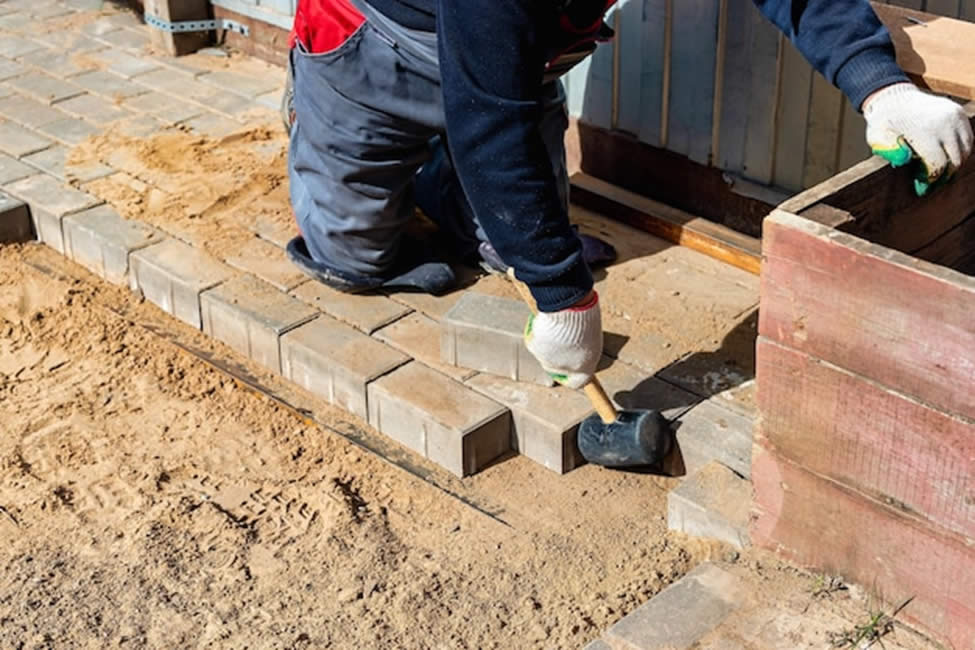
Don on work gloves. Extract an uneven brick with the help of a nail bar. Here is how it is done. Notice the seam between the uneven brick and the adjacent brick. You will have to push the nail bar here to pry the brick out. Push the bar downward so that the brick moves up and comes loose. Once it is loose, take out the brick.
Step 2
You will now have to compress the sand base to make it even and level. Use the blunt part of the 2 X 4 for this purpose. Use short strokes for compacting the area to make it level.
Step 3
Keep the extracted brick back where it came from. Using a rubber mallet you will have to lightly tap the top of the brick till its surface becomes level.
Step 4
Apply screened sand by hand and compact it using the 2 by 4. Use a broom to remove any excess sand.
Potential Issues
If large swathes of the brick have become uneven, then this could entail a lot of work. If you choose to do it on your own then this could mean plenty of hard work on your part.
In addition, you also need expertise and dexterity to ensure that you are setting the bricks correctly so that they do not become loose in the future. You will also need to extract them with care to avoid damaging them. DIY could lead to more harm than good if you have no prior experience with brick pavers.
Besides a job well done, experts can reduce the hassle by completing repairs quickly. An expert can do the job in much shorter time, ensure quality and save you a lot of trouble.
Thus, you should entrust your hardscape to the best in the business who understand everything there is to know about brick pavers.