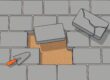



A paint spill can turn a clean concrete driveway into a bright, sticky mess in minutes. If you need to remove paint driveway pavers, the safest method for how to remove paint from pavers depends on whether the paint is fresh, dried, water-based, or oil-based. A fresh paint stain is usually easier to treat than one that has fully hardened.
I always start with the least aggressive option. Scraping, soap, water, and a nylon brush can solve many spills without damaging the paver face or washing sand out of the joints. Before using chemicals or pressure, check the paint type and test a hidden area.
Key Takeaways
- Start with the least aggressive method: blot fresh paint, scrape dried paint with a plastic tool, then use mild soap and a nylon brush.
- Identify whether the paint is water-based or oil-based before choosing a remover, and always test chemical products on a hidden paver first.
- Avoid wire brushes and uncontrolled pressure washing, which can scratch pavers, remove color, damage sealer, and wash joint sand from the gaps.
- After removing the paint, let the area dry, inspect the joints, replace missing sand, and seal only when the pavers are clean and fully dry.
- Contact a professional for large, hardened spills, porous or damaged pavers, unknown paint, or stains near pools, drains, walls, and landscaping.
Check the Paint and Paver Condition First
Do not start by blasting the entire driveway. Look closely at the paint spots and the surrounding paving stones.
Fresh latex or acrylic paint is usually easier to remove because it has not fully bonded to the surface. Oil-based paint, enamel, and older dried paint may need a masonry-safe paint remover. If the pavers have already been sealed, the paint may sit on the sealer instead of directly on the brick, which changes how the surface responds to cleaning.
I also check for cracks, loose pavers, missing joint sand, and existing chips. A paint stain can hide a weak spot, and aggressive cleaning may make that damage worse.
Before you begin, gather:
- A paint scraper (plastic) or old plastic card
- A bucket of warm water
- Mild dish soap or paver-safe cleaner
- A stiff nylon brush
- Clean towels or absorbent rags
- Gloves and eye protection
- A masonry-safe paint remover, if needed
Keep children and pets away from the work area. Protect nearby grass, plants, pool water, painted walls, and drains from dirty water or chemical runoff.
A homeowner discussion about removing paint from pavers shows why the first attempt matters. Heavy scrubbing can spread the paint and make the stain larger instead of removing it.
The goal is to lift the paint from the paver, not grind it deeper into the surface or remove the sand holding the joints together.
How to Remove Paint Driveway Pavers Safely
The best process is slow at first and more aggressive only when needed. Work in a small area so you can see how the paver responds.
Start With Fresh Water-Based Paint
If the spill is still wet, don’t wipe outward from the center. That usually spreads paint drips into the texture of the pavers.
Use towels or absorbent rags to blot the spill. Turn the towel often and use a clean section each time. Once most of the water-based paint is lifted, rinse the area with a small amount of water and mild soap.
Scrub with a nylon or hard bristle brush using short strokes. Keep the cleaning area controlled, and rinse toward a safe drainage point rather than across the rest of the driveway. Repeat the process until the color is gone.
Some latex paint may remain in the small pores or textured face of the paver. That doesn’t always mean you need a strong chemical or that the remaining paint stain requires aggressive treatment. Let the surface dry first, then inspect it in direct light.
For another example involving latex paint, you can review this homeowner question about paint on pavers. The same basic rule applies, act while the paint is fresh and avoid spreading it across a larger area.
Loosen Dried Paint Carefully
Dried paint should be softened and lifted, not attacked with a sharp metal tool. Hold a plastic scraper at a low angle and work under the edge of the paint. Use light pressure, especially on textured pavers.
If the paint has formed a thick crust, place a warm, damp cloth over the area for several minutes. This may soften water-based paint enough for the scraper and brush to do the rest.
After scraping, apply warm water with mild soap and scrub using a nylon brush. A stiff brush can clean the surface texture, but I don’t recommend a wire brush. Wire can scratch the paver face, remove color, and leave marks that are more noticeable after sealing. Using a wire brush can also create a second paint stain-like mark that is harder to remove than the original spot.
If a small amount remains, use a chemical paint stripper or paint remover labeled for masonry, brick, or concrete pavers. Read the product directions before applying it. Some removers can discolor pavers, damage sealer, or affect nearby plants.
Apply the remover only to the paint spot. Give it the recommended dwell time, then lift the softened paint and rinse carefully. Never mix paint remover with bleach, vinegar, ammonia, or another cleaning product.
Treat Oil-Based Paint Differently
Oil-based paint usually needs more than soap and water, especially after it dries. Choose a product that clearly states it is safe for masonry or concrete surfaces. Test it on a hidden paver before treating the driveway.
For stubborn oil-based paint, the product directions may recommend mineral spirits, denatured alcohol, or turpentine. Use only the specified solvent, apply a small amount to the paint, keep it contained, and follow the product’s waiting time. Remove the softened paint with a plastic scraper, then wash the area with a suitable cleaner and rinse thoroughly.
Do not pour leftover solvent onto the driveway, lawn, or storm drain. Follow the disposal directions on the container. If the paint covers a large area, has soaked into open-textured pavers, or sits beside a pool, professional cleaning is the safer choice.
When Pressure Washing Helps and When It Hurts
A pressure washer can remove paint residue, dust, and grime, but it isn’t automatically the right first step. High pressure can chip paver edges, strip color from paving stones, damage old sealer, and blow joint sand out of the spaces between pavers. It can also mark a concrete surface if the setting is too aggressive.
That sand is not there only for appearance. It helps lock the pavers together and supports a stable, clean-looking surface. Once the joints lose too much sand, the pavers can shift and weeds can enter more easily. The same caution applies to other outdoor surfaces, including patio slabs.
If you use a pressure washer after scraping and chemical treatment, start with the lowest setting that works. A broad fan nozzle is safer than a zero-degree tip. Some cleaning setups use approximately 1,000 to 1,500 PSI with a 25- to 40-degree fan tip, but the correct pressure still depends on the paver material and condition.
Keep the nozzle moving and hold it at a consistent distance. Do not aim directly into the joints. Test an inconspicuous section first, then allow it to dry before deciding whether the pressure is safe. For light residue, a hard bristle brush may be enough and is often easier to control.
I don’t recommend using a pressure washer to solve a paint stain by itself. It may remove the surface color while leaving paint in the pores, and it can create a second problem by removing the sand.
For broader surface cleaning or damage that appears after washing, this paver repair video offers a useful look at how paver sections are handled during repair.
Restore the Joints After Paint Removal
Once you’ve removed paint from pavers, let them dry completely. Inspect the joints around the cleaned area. If sand has been removed, the gaps may look wider or show visible voids.
Sweep compatible joint sand across the surface with a clean broom. Work it into the gaps in several directions, then remove loose sand from the paver faces. Choose the right sand based on the paver system, joint width, and whether the surface will be sealed. Follow the manufacturer instructions for applying the joint sand.
Don’t fill a damaged joint with random material from the garage. The wrong product may wash out, stain the pavers, or fail to support the joints. I check the entire cleaned section instead of correcting only the most visible gap.
Sealing can help protect clean pavers against future staining and weather exposure. However, the surface must be clean and dry first. A concrete sealer won’t hide remaining paint, and applying it over residue can lock discolouration into the paver.
Follow the concrete sealer manufacturer’s instructions for application and drying time. Keep vehicles and foot traffic off the driveway until the product has cured as directed.
When Professional Paint Removal Makes More Sense
A small, fresh spill is often manageable with patience. A large dried spill is different, especially when it reaches several pavers, the joints, a pool deck, or a sealed surface. If you’re unsure how to remove paint from pavers without damaging the surrounding concrete surface, professional help is often the safer choice.
Call a professional if:
- The paint has hardened across a wide area.
- The pavers are old, chipped, cracked, or already loose.
- Joint sand is missing around the spill.
- The paint remover changes the paver color.
- A solvent or pressure washing leaves marks or exposes surface damage.
- You cannot identify the type of paint.
- The spill is near a pool, screen enclosure, wall, drain, or landscaped area.
I inspect the paver face, joints, base, drainage, and sealer before recommending a cleaning method. This helps determine how to clear stubborn paint spots from porous surfaces without spreading the damage. If the pavers are sinking or rocking, paint removal alone won’t correct the problem. A weak base needs a proper repair, not more pressure.
Platinum Pavers of SWFL helps homeowners in Fort Myers, Cape Coral, Bonita Springs, Punta Gorda, Sarasota, and nearby Southwest Florida communities with paver cleaning, restoration, repair, pressure washing, and sealing. If you want the driveway checked before trying a risky chemical or pressure washer, Get a Free Quote and we can look at the area and recommend the right repair.
Frequently Asked Questions
What is the safest way to remove fresh paint from driveway pavers?
Blot fresh paint with absorbent towels without wiping outward and spreading the spill. Then use warm water, mild dish soap, and a nylon brush to clean the remaining residue.
Can I use a pressure washer to remove paint from pavers?
Pressure washing can help remove residue after scraping and chemical treatment, but it should not be the first step. Use the lowest effective setting, a broad fan nozzle, and avoid directing high pressure into the joints.
How do I remove dried oil-based paint from pavers?
Use a paint remover or solvent specifically labeled as safe for masonry, concrete, or pavers. Test it in a hidden area, follow the product directions, and remove the softened paint with a plastic scraper before washing the surface.
Will paint remover damage driveway pavers?
Some products can discolor pavers, damage sealer, or harm nearby plants. Apply the remover only to the paint, test it first, protect surrounding areas, and never mix it with bleach, vinegar, ammonia, or other cleaners.
When should I hire a professional for paint removal?
Professional help is safer when the spill is large or fully hardened, the pavers are cracked or loose, joint sand is missing, or the paint is near a pool, drain, wall, or landscaped area. A professional can also assess whether pressure washing or chemicals may worsen existing damage.
Conclusion
The safest way to remove paint from pavers is to start with blotting, plastic scraping, mild soap, and a nylon brush. Use a masonry-safe paint remover only when necessary, applying it carefully according to the product directions, and treat pressure washing as a controlled final step rather than the first answer.
After cleaning, check the joint sand, paver condition, drainage, and sealer before calling the job finished. A careful process can remove the spill while keeping the driveway stable, clean, and ready for long-term Florida weather.