

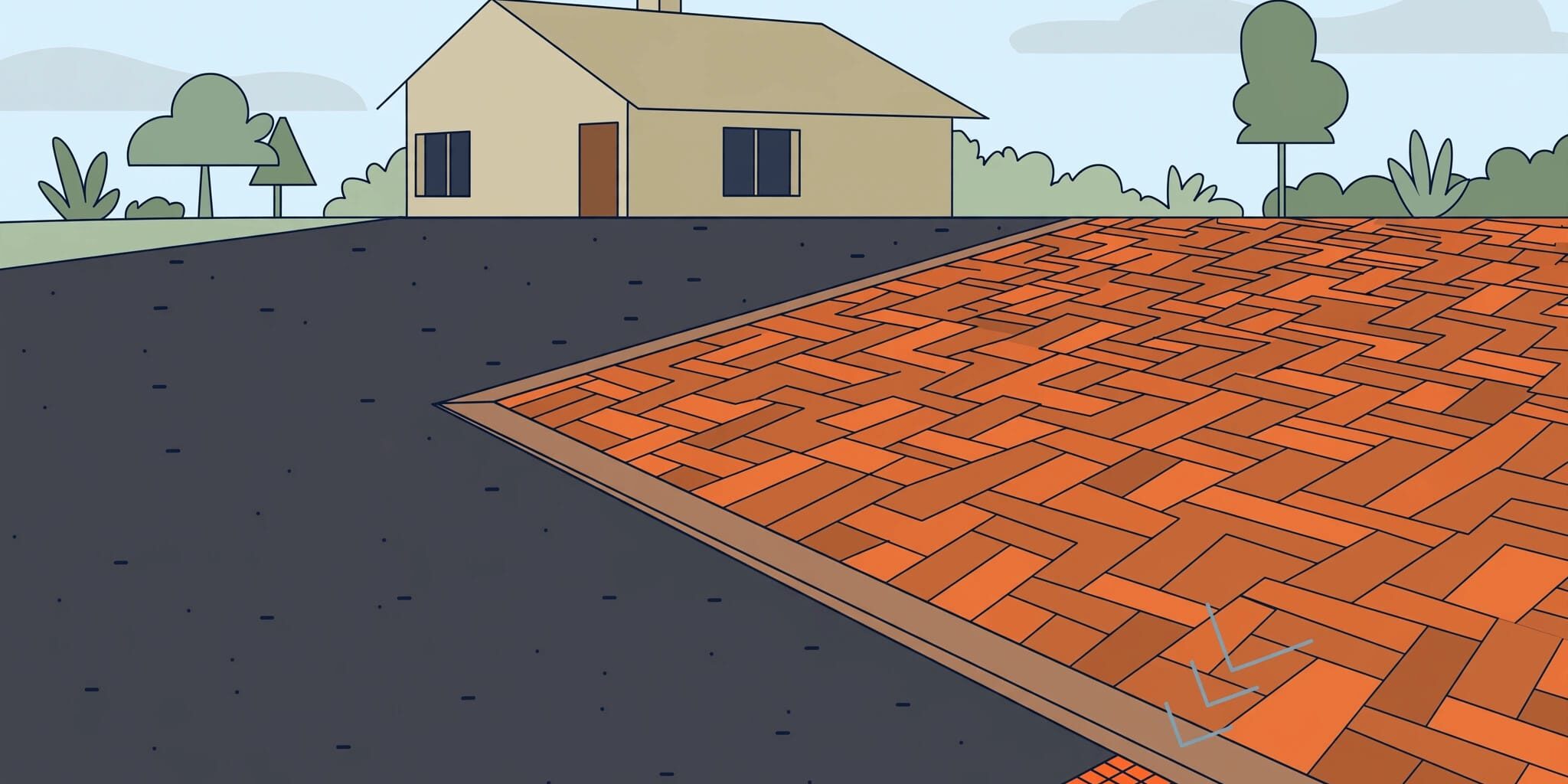
Yes, you can install pavers over asphalt when a stable existing asphalt driveway can support vehicles. A paver overlay only works on sound asphalt, so I wouldn’t cover a failing driveway just to avoid removal.
The support underneath matters as much as the paving stones you choose. Check the asphalt, water flow, and finished height before deciding whether an overlay makes sense.
Key Takeaways
- Sound asphalt may support an approved driveway overlay.
- Sand-set, bituminous-set, and mortar-set systems have different uses.
- Water flow, clearances, and secure edges must work together.
When Is the Old Driveway Suitable?
Look Below the Surface
I look for large cracks, rutting, differential settlement, crumbling edges, and areas that hold water. Major defects compromise the pavers above them, and patching the surface doesn’t restore lost support or the base material.
An existing asphalt edge also isn’t dependable restraint where cars brake or turn. The installation needs support around the perimeter, not just across the middle.
Account for Florida Heat
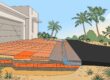
In South Florida, warranties for pavers over asphalt are rare because heat can soften the asphalt beneath the installation. That movement can disturb the finished pavers.
I take that risk seriously, along with heavy rain, saturated soil, and washed-out edge support. Attractive paving won’t correct those conditions underneath.
Compare the Three Overlay Methods
These three methods aren’t interchangeable, especially for vehicle use.
| Method | Setting material | Appropriate use |
|---|---|---|
| Sand set | A level, 1-inch bedding-sand layer | Possible driveway option over a sound base with a vehicle-rated design |
| Bituminous set | Bedding sand mixed with bituminous binder | Over asphalt, pedestrian applications such as walkways |
| Mortar set | 3/4 inch of latex modified mortar bonded to existing concrete | Typically non-vehicular applications, not a standard asphalt solution |
Sand set is the relevant starting point for this application. The asphalt and underlying support still have to carry the vehicle loads.
In northern climates, mortared joints need regular maintenance against moisture penetration, and de-icing salts are discouraged.
How to Install Pavers Over Asphalt
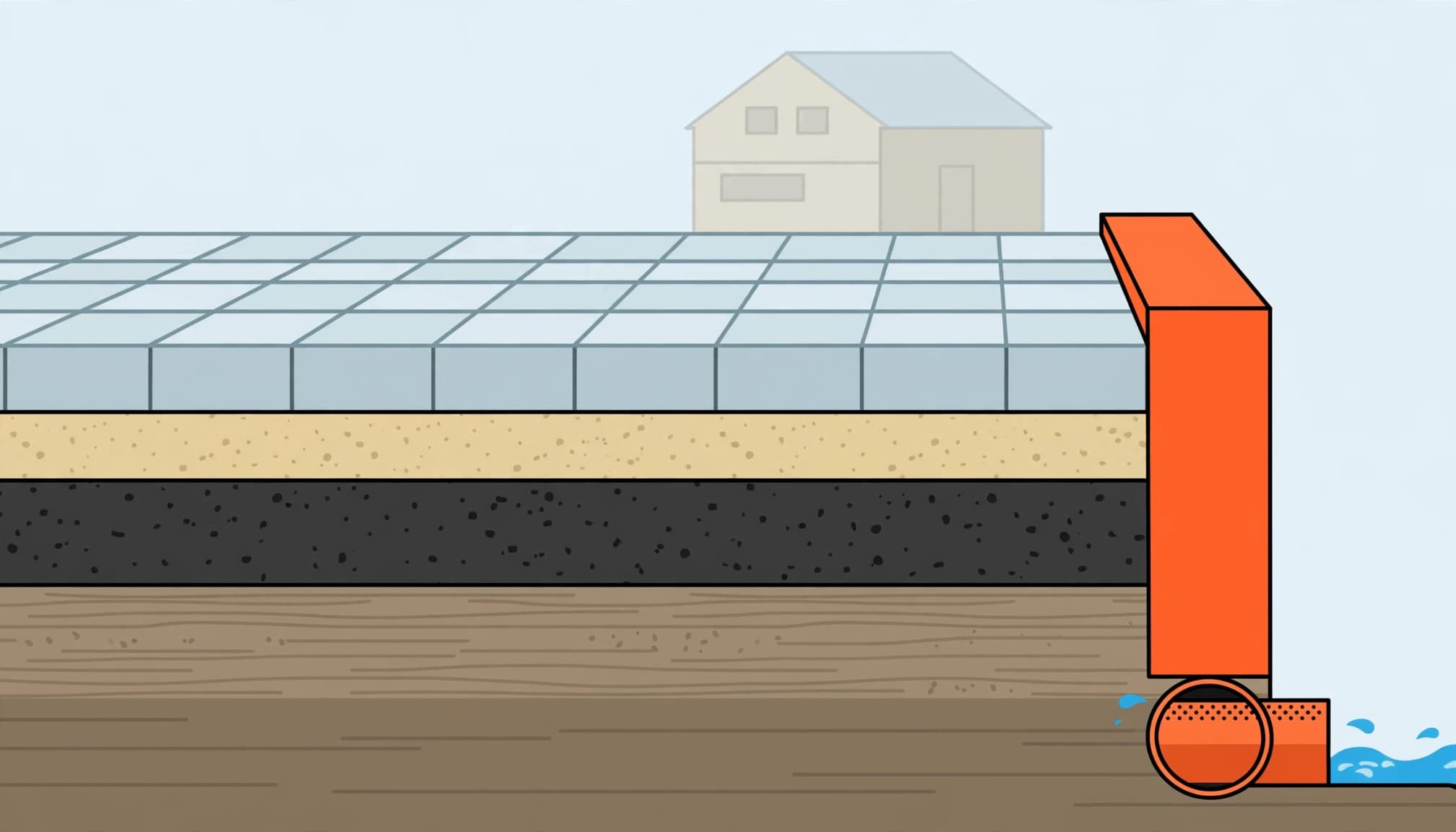
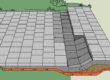
The CMHA pavement application guide describes a 1-inch bedding-sand layer. Here’s the practical installation order I recommend for a suitable sand-set overlay:
- Inspect and prepare the existing surface. Correct structural defects before covering the existing surface or concrete, and remove loose material and contamination.
- Establish finished elevations and water flow. Provide designed drain holes at low spots so water entering the joints can escape through a functioning outlet.
- Install secure perimeter restraints. Plastic, concrete, aluminum, or steel may suit the system. Our guidance on paver edge restraints explains why firm support matters.
- Place geotextile where the design requires it. It can help retain and stabilize bedding material, but it doesn’t replace base repairs or guarantee weed prevention.
- Screed the specified bedding sand evenly while maintaining the planned slope for runoff. Screed rails can help guide the sand, but don’t use extra bedding sand to hide deep depressions.
- Lay vehicle-rated interlocking concrete pavers with consistent joints. Liberty Stone specifies joints of 1/16 to 3/16 inch (2-5 mm); the selected paver system controls final spacing.
- Compact with a suitable plate compactor, sweep in compatible joint sand, and compact again as specified. No paver should finish more than 1/8 inch (3 mm) above its neighbor.
I want the edges, joints, and drainage completed together. Leaving one unfinished weakens the whole installation.
Plan Drainage and Height Before Installation
Give Water Somewhere to Go
Traditional asphalt and concrete are impervious. Water entering paver joints can collect above that surface unless it has an escape route.
The CMHA bedding-drainage guidance describes weep holes through asphalt or concrete bases and outflow through curbs. Trapped water can cause pooling, damage nearby structures, encourage weeds, and create slipping hazards.
Standard pavers over asphalt don’t create a permeable system. A true permeable system needs compatible aggregate layers and a viable infiltration or discharge path.
Protect Thresholds and Transitions
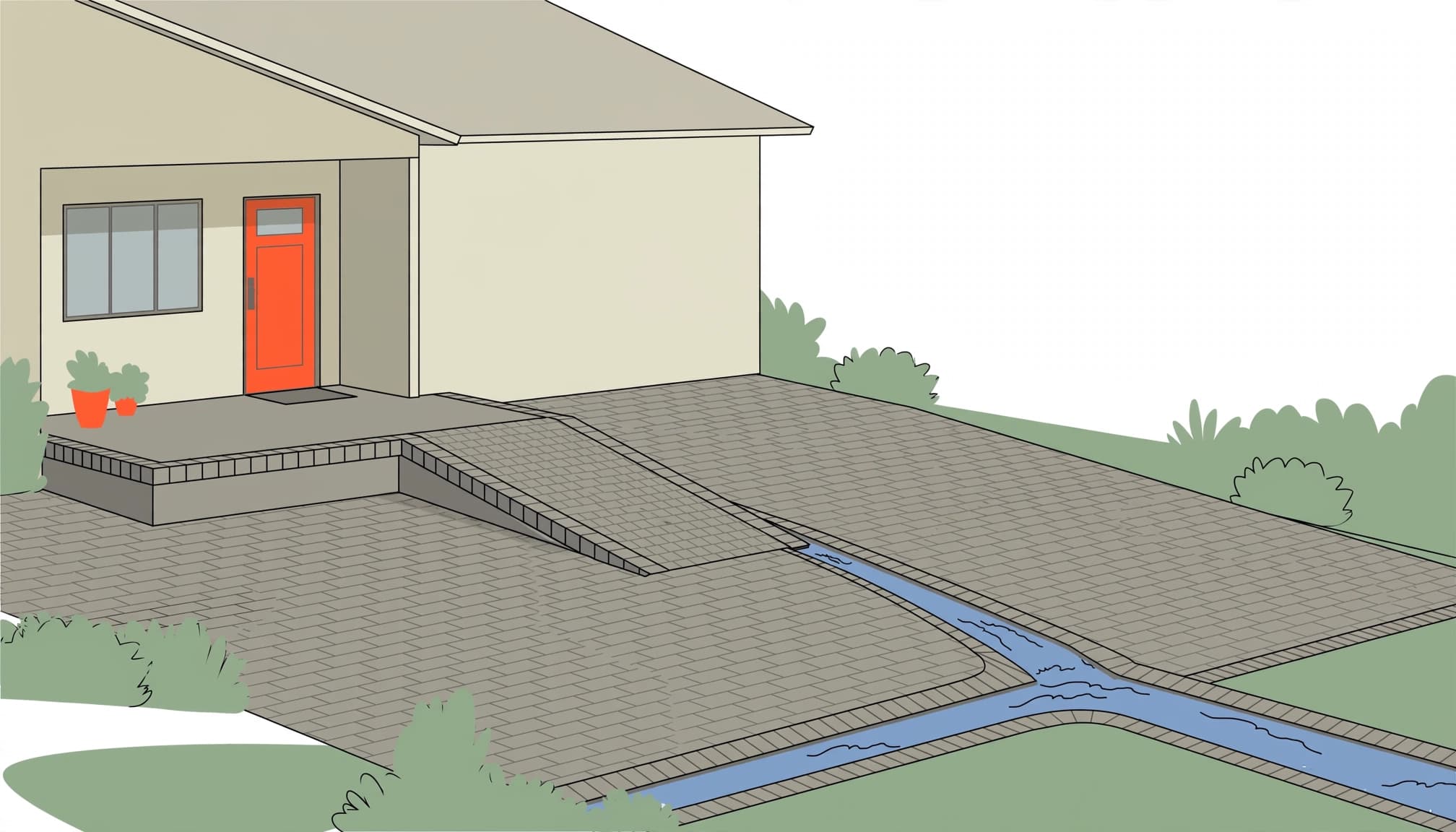
An overlay can raise the finished surface several inches. Garage entrances, door thresholds, gates, sidewalks, and street connections all need room for that build-up.
I plan those elevations before installation. Gradual transitions or ramps may help where space allows, but they must preserve drainage. Our transition guidance covers these connections and their supporting edges.
Does Overlaying Save Money?
Overlaying avoids demolition, including jackhammering where needed, loading the broken material into wheelbarrows, hauling it away, and meeting local disposal rules.
That can reduce the work, but drainage changes, edge reconstruction, and difficult transitions still belong in the project cost. I wouldn’t call overlaying the cheapest option without considering those needs. Removing failed asphalt can be better value than building over problems.
Frequently Asked Questions
Can Thin Patio Pavers Carry Cars?
Patio suitability doesn’t establish vehicle suitability. I recommend vehicle-rated pavers installed as part of an approved vehicle-rated assembly. Thin decorative units shouldn’t be substituted simply to reduce the finished height.
Will Sealing Prevent Overlay Failure?
A paver sealer can protect the paver surface, but it can’t strengthen soft asphalt, replace failed support, or correct poor water management. Joint sand also can’t repair a sinking base. Those problems need correction below the finished surface.
Build on Support That Will Last
This overlay can work when the existing asphalt is sound and the installation accounts for vehicle loads. I put stable support and proper water flow ahead of avoiding demolition.
If you’re planning a driveway update in Southwest Florida, Get a Free Quote for a consultation and estimate. A quality installation starts with choosing the right construction method for your property.