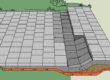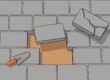


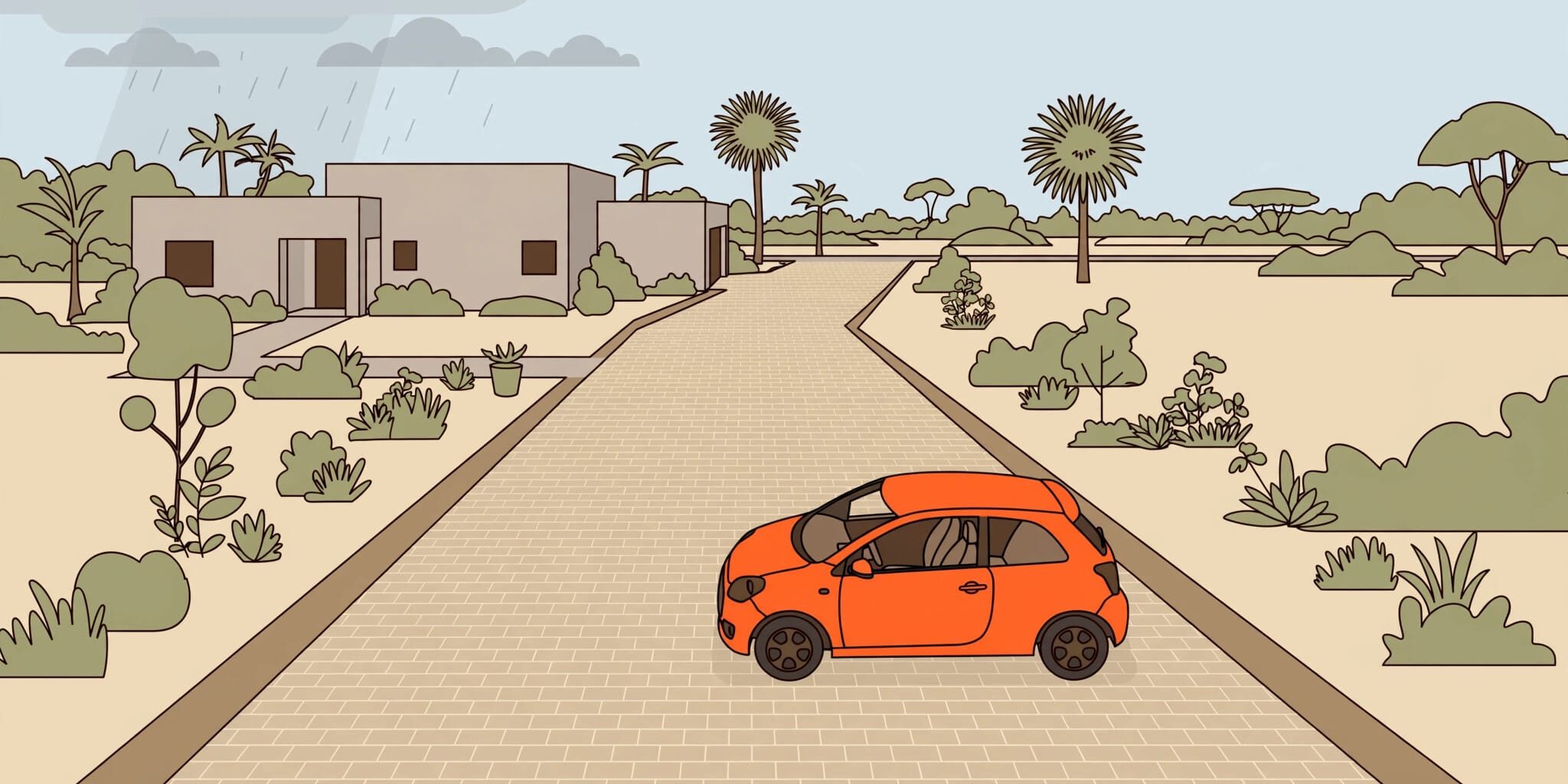
You can drive on new pavers once the driveway is compacted, the edges are secure, and any jointing products have cured. With polymeric sand, that often means waiting 24 to 72 hours, although some products require longer.
I don’t recommend treating that window as automatic approval, especially after Southwest Florida rain. Your installation method, joint material, and any fresh sealer determine when the driveway is ready.
Key Takeaways
- Factory-made concrete pavers arrive cured, but the installed driveway still needs to be finished.
- The jointing product, concrete edge restraints, and a fresh coating can delay vehicle access.
- Loose pavers, washed-out gaps, or surface peeling need attention before regular traffic.
When Can Newly Installed Pavers Take Vehicle Traffic?
Sand-set driveways without fresh coatings
A properly completed sand-set driveway can generally carry cars immediately after final compaction and joint filling, as long as no products require additional wait time. Concrete pavers aren’t a cast-in-place slab, so they don’t need another 28-day wait after installation.
The base, bedding, joints, and borders work together to support your vehicle. Our brick paver driveway installation guide explains those construction steps.
Waiting extra days won’t correct poor compaction or a loose border. Those conditions need repair.
Polymeric sand, mortar, and fresh sealer
Polymeric sand needs time after activation before tires pass over it. Follow the product’s vehicle-traffic wait time, since a rain-safe time isn’t necessarily a drive-ready time.
Fresh concrete edging, mortar-set installations, and coatings have separate wait times. When several products are involved, the longest applicable restriction controls.
I recommend keeping delivery trucks, dumpsters, and other heavy loads off a residential driveway unless it was designed for them. Also avoid turning the steering wheel while the vehicle is stationary.
How Should New Pavers Be Cleaned?
Start gently before pressure washing
For ordinary dirt, start with mild detergent, water, and a soft brush. For construction residue, use a compatible masonry cleaner and scrub brush before considering pressure washing. Test a small, hidden area first.
A pressure washer can chip the top surface, even on older pavers. Nozzle choice, distance, pressure, and the paver finish all affect the risk.
Restore sand after cleaning
Pressure washing can blow polymeric sand and ordinary silica sand used in the joints out of the gaps. Open gaps collect debris, allow weed growth, and give pavers more room to move.
Inspect the cleaned joints for visible voids and replace missing material with the system’s approved sand. Don’t sprinkle fresh jointing material over a shallow, failed crust.
The CMHA’s cleaning and joint stabilization guidance treats cleaning, sealing, and joint care as connected maintenance tasks. Sand supports stable paver spacing; it can’t repair a washed-out base.
White Powder, Paint, or Surface Flaking?
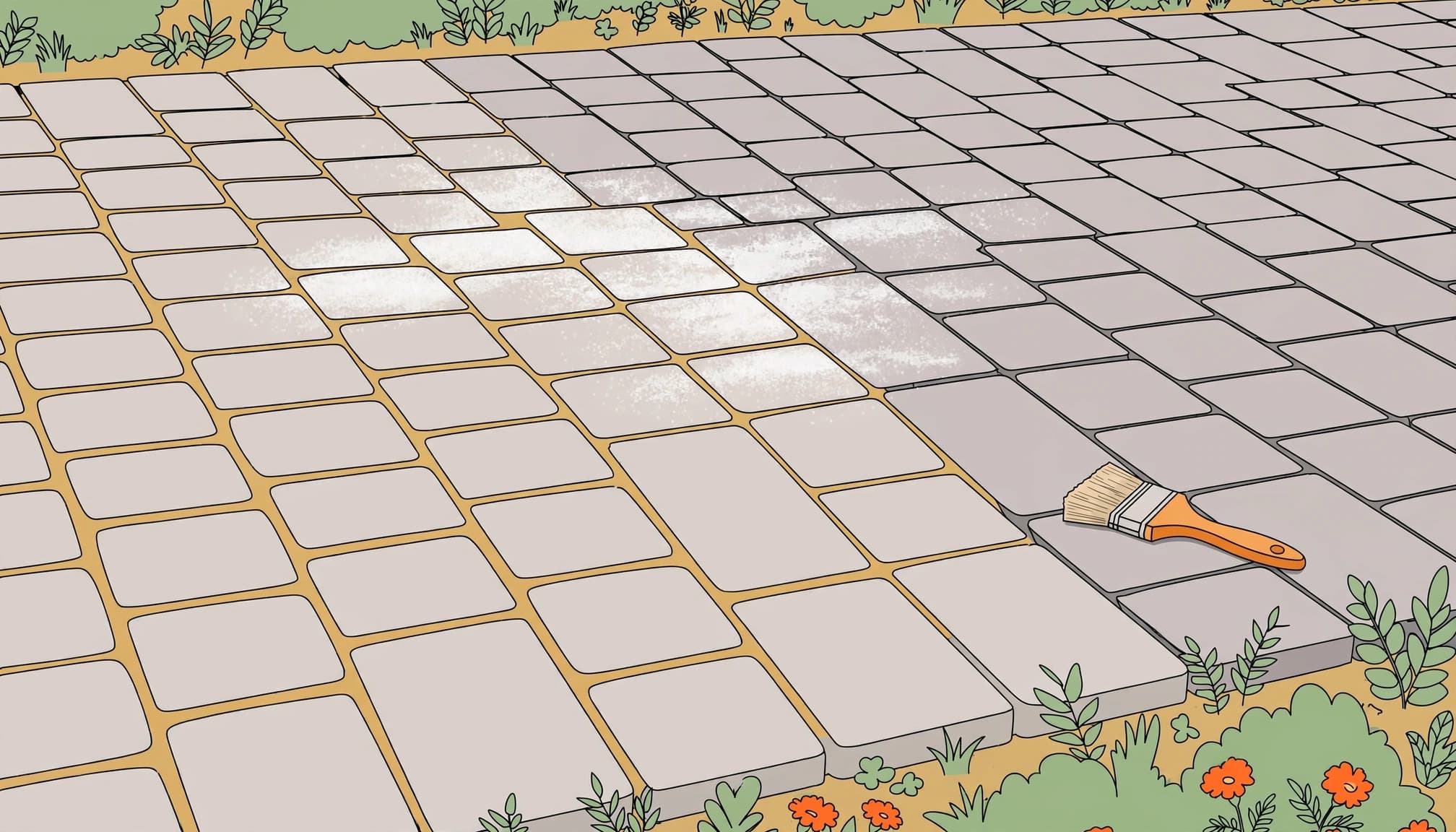
White powder is often efflorescence, which develops when moisture carries cement-related salts to the surface. It can appear as concrete cures and weathers. A gritty film left after sanding may instead be polymeric-sand residue. Peeling or missing material from the paver’s top surface is different from either deposit.
Some efflorescence treatments contain dilute hydrochloric acid, also called muriatic acid. “Hydrochloride solution” isn’t another name for hydrochloric acid. These products can etch concrete, so use a formulated, paver-compatible cleaner instead of mixing raw acid.
Paint requires a compatible paint stripper. Stucco may respond to a specialist, dilute muriatic-acid treatment, but replacing the affected paver can be safer. Removing stucco or hardened cement often causes more surface damage than replacing the paver.
Cosmetic blemishes don’t automatically prevent pavers from functioning normally. However, repeated flaking, exposed aggregate, rocking, or widening gaps are defects that deserve attention. Photograph the affected area before cleaning or sealing, and keep installation dates and invoices for a possible warranty claim.
How Long Should You Wait Before Sealing?
For unsealed concrete pavers, I recommend considering the first sealing around one year after installation. This allows time for the efflorescence cycle, so moisture-related deposits can appear and be addressed. Our paver sealing guidance explains that approach.
You’ll also hear recommendations of 60 days or six to nine months. Those aren’t interchangeable rules. Paver material, moisture, efflorescence, and the chosen product affect timing.
A compatible penetrating product offers a natural appearance, while film-forming products can deepen color or add sheen. Glaze ‘N Seal’s concrete paver maintenance guidance covers cleaning and sealing considerations.
Reseal when protection wears away, often around two to three years depending on traffic and exposure. Apply the coating only to clean, dry, stable pavers. Excess coating can become cloudy or slippery, and sealer won’t stabilize moving pavers.
Frequently Asked Questions
Is flaking after 10 weeks a warranty issue?
It may be. Concrete has natural variation, so minor surface wear doesn’t automatically establish a defect. A documented review can assess whether widespread peeling points to defects. Raise first-year concerns promptly with the installer or builder under your builder warranty, but don’t assume every warranty has a one-year term.
Can cars use the driveway before it is sealed?
Yes. Sealing is optional protection, not a requirement for vehicle traffic. The base, pavers, edge restraints, and completed joints provide support. If you apply sealer later, keep vehicles off during its stated vehicle-traffic curing period.
Give Your Driveway the Right Start
I recommend judging readiness by the completed installation and any products with set wait times, rather than the calendar alone. A firm surface, secure edges, and properly filled gaps protect your driveway when traffic begins.
For installation, repairs, or help protecting your pavers, Get a Free Quote from Platinum Pavers of SWFL.