


Older Florida driveways can look great for many years, but one cracked or missing stone can harm your overall curb appeal. Finding replacement pavers in Florida is not always difficult, but making them blend seamlessly with custom driveways across Southwest Florida takes a careful eye.
Color, size, texture, pattern, sun exposure, and sealer all affect the final appearance of your outdoor living spaces. I inspect the damaged area and the surrounding driveway before recommending a repair, because replacing one stone on a failing base usually leads to another problem later.
Key Takeaways
- Matching older driveway pavers in Florida requires analyzing color, size, texture, pattern, weathering, and sealers beyond just a store purchase.
- A cracked paver often signals deeper issues like poor base compaction, water movement, tree roots, or failing edge support that must be fixed first.
- Sourcing discontinued pavers may require scavenging from hidden areas or blending a small group of new stones rather than using a single bright patch.
- Comprehensive paver maintenance—including proper joint sanding, controlled cleaning, and correct sealing—protects the investment and ensures long-term stability.
Why Matching Older Driveway Pavers Takes More Than Color
A new paver can look like the right color in a store and still look wrong after it is installed. Whether you are dealing with concrete pavers, brick pavers, or natural travertine pavers, older materials have spent years facing the elements. In the harsh environment of South Florida living, sun, rain, vehicle traffic, pressure washing, and changing moisture conditions take a heavy toll. Their color may be lighter, softer, or more blended than the original material, especially across heavily used driveways and patios.
Sealer also changes the appearance. A driveway with an older film-forming sealer may have a darker or shinier surface than an unsealed paver. If the sealer has worn away in traffic lanes, the same paver may look different in several areas of the driveway.
I compare more than the surface color. I look at:
- The length, width, and thickness of the existing paver.
- The shape of the edges and the texture on the face.
- The installation pattern, such as running bond, herringbone, or basket weave.
- The color blend, including tan, red, charcoal, cream, or gray tones.
- The joint width and the type of sand between the pavers.
- The condition of nearby borders and edge restraints.
The original paver installation matters just as much as the stone itself. Interlocking pavers with the right color but the wrong shape may not fit the bond correctly. It can leave uneven joints, force surrounding pavers out of alignment, or create a repair that catches your eye every time you pull into the driveway.
The best match may also come from a hidden area. Sometimes I can remove a paver from beside a garage, under a vehicle area, or near a landscape edge and use it in the visible repair. A newer paver can then go in the less noticeable location.
Replacement Pavers Florida Homeowners Can Match More Accurately
The first step is identifying what you already have. Take clear pictures in daylight, but don’t rely on a phone photo alone. Color changes with shade, wet surfaces, sealers, and camera settings.
If you have an extra paver stored in the garage, bring it out and clean it gently before comparing it. Dirt can make a light paver look darker, while old sealer can make it look more colorful than the original material.
When no spare paver is available, I usually remove one damaged piece carefully and inspect the underside, edge profile, and measurements. The bottom can provide useful clues about thickness and manufacturing style. I also check whether the driveway uses concrete pavers, clay brick, porcelain pavers, marble pavers, or other natural stone products.
Older products may be discontinued. That doesn’t always mean the repair is impossible, and experienced professional installers know how to handle these challenges during paver repairs. A close match can be blended into a larger section instead of placed as one new-looking patch. When several pavers are damaged, replacing a small group often looks better than installing one bright stone beside weathered material.
A supplier may have a similar product, but similar is not always equal. Ask for physical samples when possible, then compare them beside the existing driveway after cleaning. When sourcing replacement pavers Florida properties require for a seamless look, always check the sample when it is dry and wet, because Florida rain can change the appearance of the surface.
Inspect the Base Before Replacing a Cracked Paver
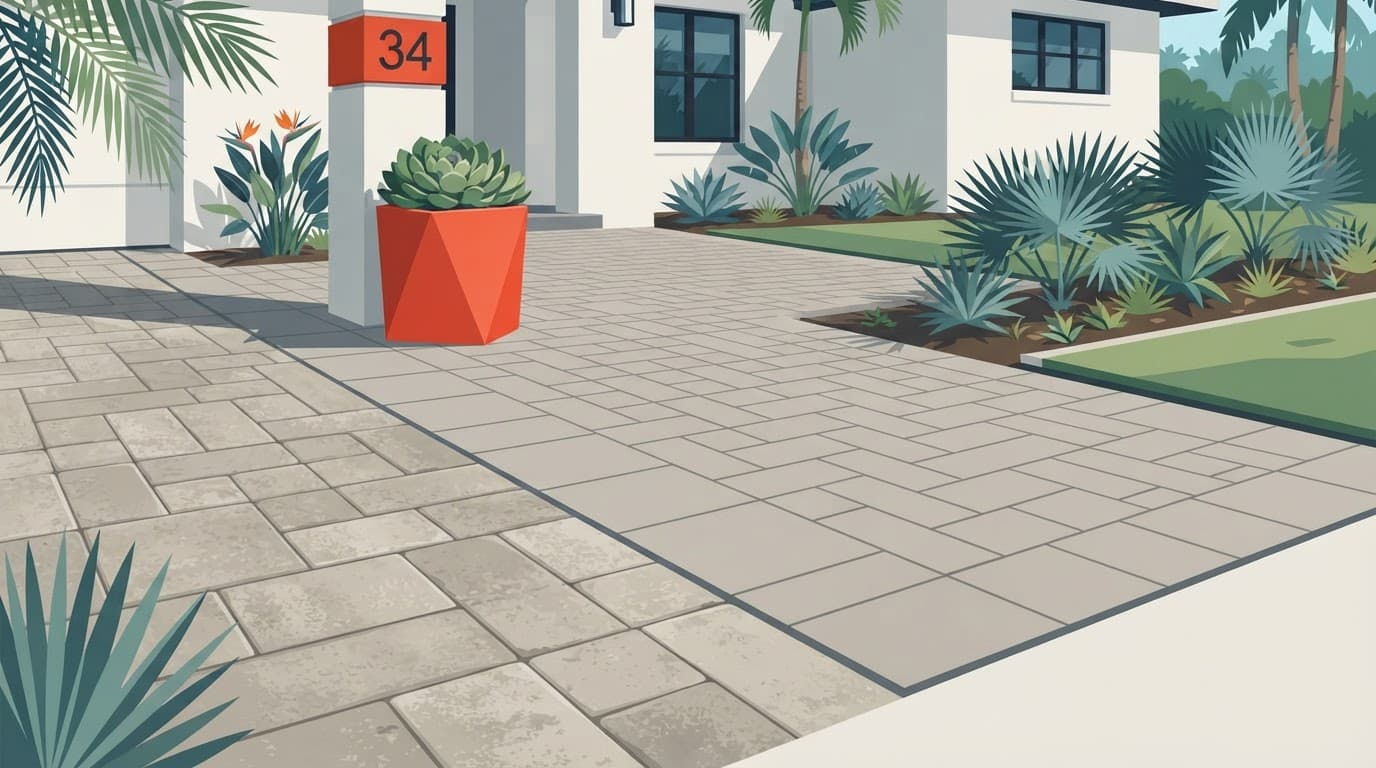
A cracked paver may be the visible result of a problem below it. Heavy vehicles, poor compaction, water movement, tree roots, and failed edge support can all cause pavers to settle or shift.
I look for more than the broken surface. Rocking pavers, widening joints, low spots, and repeated cracking usually point to movement underneath. If water collects in the same area after rain, drainage problems need attention before the new paver goes down.
Adding loose sand underneath a rocking paver is only a short-term patch. Sand cannot replace a compacted base that has washed out or settled, and proper base preparation is essential for a lasting fix. The lasting repair may require lifting the affected section, removing unstable bedding material, rebuilding the base, and compacting it in proper layers.
The same concern applies beside pool deck pavers and screen enclosures. The concrete footing for a screen enclosure and the surrounding paver system can move at different rates. Excavation, disturbed soil, heavy rain, or poor rebuilding around the footing can leave cracks and gaps near the enclosure, which often ties into broader pool renovations or nearby retaining walls.
A new paver over a weak base is still sitting on a weak base. It may look better for a short time, then fail again.
If you see a leaning screen post, a footing pulling away from the pavers, or a screen door that drags, don’t drill into the footing or move the enclosure hardware. Screen enclosures are built to handle high wind loads, and the anchors and foundation are part of that system.
Minor paver resetting often does not require a permit, but work that changes the structural footer or screen enclosure may. Local requirements vary, so check with your building department before altering the enclosure or its support system. Call Sunshine 811 before digging as well, since irrigation, electrical lines, pool equipment plumbing, and drainage problems might be linked to underground lines that run near the driveway.
How to Blend New Pavers Into an Older Driveway
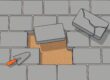
Once the base is stable, the repair needs to blend with the existing layout. I start by removing the damaged paver without disturbing more of the driveway than necessary. If surrounding pieces have shifted, I remove enough of the section to rebuild the lines correctly, relying on fundamental paver installation techniques to keep everything secure.
The open area should be cleaned out and checked for a level, stable bedding layer. After the replacement paver is placed, I confirm that it sits flush with the neighboring stones. A paver that sits high can become a trip point or receive extra tire pressure. One that sits low can collect water and dirt.
The surrounding pattern should continue without forcing the joints. This is where professional paver installation experience matters. A repair can be structurally solid and still look poor if the lines are crooked, the border is not aligned, or the new paver is noticeably brighter. Careful attention to these details protects the overall curb appeal of custom driveways, patio design elements, and broader hardscape design projects.
For a larger repair, I may blend several new pieces through the section rather than placing them all in one block. This spreads the color difference and gives the driveway a more consistent appearance. Proper paver installation practices like cleaning and sealing the full section afterward can also reduce the contrast between older and newer pavers, but sealer should not be used to hide an unstable surface.
Re-Sand and Clean the Driveway Carefully
Joint sand helps hold pavers in place. When the joints lose sand, the pavers have more room to move, weeds can grow through the gaps, and water can enter more easily. Proper paver maintenance prevents these issues over time.
Pressure washing can remove dirt, algae, and surface buildup, but too much pressure can chip the paver face and blow sand out of the joints. I use controlled pressure and the right spray pattern instead of holding a strong nozzle on one joint until it looks clean.
For light dirt, soap, water, and a stiff broom may be enough. A brick paver care guide also recommends mild detergent and a soft brush for routine cleaning.
After cleaning, the joints should be inspected. If sand is missing, it needs to be replaced once the surface is dry. The correct sand depends on the paver system and site conditions. Polymeric sand can help stabilize joints and prevent weed growth when it is installed properly, but it cannot correct a failing base or stop water from washing out the area below.
Consistent paver maintenance includes knowing when to act. I don’t recommend cleaning a driveway aggressively while the pavers are still shifting. Stabilize the surface first, then focus on paver cleaning and sealing when the conditions are right.
When One Paver Is Not the Right Repair
A single paver that is cracked but surrounded by stable stones may only need replacement. The repair becomes more involved when the same area has failed more than once or when several pavers are moving together across your driveways and patios.
Look closer if you notice:
- A line of sunken pavers across a traffic lane.
- Gaps that reopen after rain.
- Pavers that rock when you step on them.
- Water standing beside an edge, drain, or enclosure footing.
- A border separating from the main driveway.
- Tree roots lifting the surface.
- Missing sand throughout the repaired area.
These signs can point to settlement, drainage trouble, poor compaction, or failing edge restraints. Handling structural paver repairs without correcting the cause wastes money and leaves you with the same issue later, which is why professional installers are so important for long-term stability in Southwest Florida.
I have worked on driveways and pool deck pavers where the visible damage looked small, but the base below had washed away. I have also seen pavers removed during backyard transformations and placed back over loose soil without enough compaction. The surface looked acceptable at first, then began sinking after heavy rain.
If you need replacement pavers Florida contractors can match and install properly, the right place to start is an inspection of the full damaged section. Platinum Pavers of SWFL serves homeowners in Fort Myers, Cape Coral, Bonita Springs, Punta Gorda, Sarasota, Babcock Ranch, and nearby communities throughout Southwest Florida. You can Get a Free Quote to request a free estimate so I can review the pool deck pavers, base, drainage, and surrounding edges before recommending the work.
Frequently Asked Questions
Can I just use a spare paver from my garage for the repair?
Yes, if you have an extra paver stored in a hidden area like near a garage or landscape edge, it often provides the closest match because it has weathered similarly. A newer paver can then be installed in that less noticeable location.
Why does my new replacement paver still look different even though the color is right?
South Florida sun, rain, vehicle traffic, and sealers change the appearance of older materials over time. Even an exact color match will stand out if the surrounding pavers are weathered, unsealed, or treated with a film-forming sealer.
Do I need to fix the base under a single cracked paver?
If the paver is cracked due to settlement, simply replacing the stone without fixing the underlying base will lead to another failure. A lasting repair requires checking for low spots, poor compaction, or drainage problems before putting down a new stone.
Should I use polymeric sand for my paver repair joints?
Polymeric sand helps stabilize joints and prevent weed growth when installed properly on a dry surface. However, it cannot correct a failing base or stop water from washing out the area below the pavers.
Conclusion
Matching an older driveway is about more than finding a paver with a similar color. The size, texture, pattern, weathering, sealer, joint sand, and support below the surface all affect how the repair looks and performs.
The replacement pavers Florida homeowners choose should fit the existing design and the conditions under it. When the base and drainage are stable, a careful replacement can blend in well, which is essential for cohesive hardscape design. When the area keeps settling, the lasting repair starts below the pavers, not with another surface patch, ensuring your outdoor living spaces remain durable for years of South Florida living.