


Pool resurfacing can give an older swimming pool a clean, new finish, but the work affects more than the inside of the pool. The surrounding pavers, coping, tile, screen enclosure, and drainage all need attention before the project starts. If you’re planning pool resurfacing pavers work around your home, the main goal is to protect the areas that are already finished during your broader pool deck resurfacing project.
I’ve seen paver pool decks look excellent after resurfacing, only to develop loose joints, cracked edges, or shifted pavers because the surrounding surface wasn’t prepared properly. The right process protects your investment and keeps the entire pool area looking clean and level.
Key Takeaways
- Pool resurfacing can disturb nearby pool deck pavers through foot traffic, tools, water, chemicals, and material handling.
- Coping and pavers often move differently, so rigid patches can crack when placed between them.
- Pavers should be inspected, protected, and repaired before the pool finish work begins.
- Drainage and disturbed base material are common reasons uneven pavers settle after pool work.
- A professional inspection helps separate a small reset from a larger pool deck repair.
How Pool Resurfacing Affects Nearby Pavers and Coping
Pool resurfacing usually includes draining the swimming pool, preparing the old surface, repairing damaged areas, applying a new finish, and allowing the material to cure. Workers may use grinders, pressure washers, hoses, buckets, ladders, and other equipment near the pool edge during a typical pool deck resurfacing project.
That activity can affect the surrounding hardscape in several ways. Heavy equipment may put pressure on older pavers. Tools can chip the edge of coping. Water can wash sand out of the joints. Materials can stain porous natural stone or leave residue on stamped concrete and paver surfaces.
Pavers are installed over compacted base material and bedding sand, then held together by filled joints and edge restraints. Coping is usually attached to the pool beam or surrounding concrete structure. These systems are close together, but they don’t always move in the same way.
The concrete pool structure is rigid. A paver deck has small joints that allow limited movement. If a crew bridges the space between the coping and pavers with hard concrete, the repair may crack when the two surfaces expand, settle, or shift at different rates.
The visible gap beside the pool is often not the original problem. It may be where movement, water, or weak support finally reached the surface.
When I inspect a pool area, I look at the pool edge, coping, paver base, joints, drainage, and nearby screen enclosure as one connected area. Repairing only the obvious crack may not hold if the material underneath has washed out or settled.
What Happens to Pavers During the Resurfacing Process?
Several stages of pool resurfacing can create problems for nearby pavers if the area isn’t protected.
Surface preparation
The old pool finish may need grinding, sanding, chipping, or pressure cleaning, though modern techniques like dustless blasting are also common. Dust and loose material can spread onto the deck. Aggressive cleaning can also remove joint sand between pavers, especially when a narrow nozzle is used too close to the surface.
Once sand is missing, the pavers have more room to shift. Water can enter the open joints, and dirt can settle below the surface. The problem may not show immediately, but the deck can become loose after several heavy rains.
Material handling
Buckets, hoses, ladders, pumps, and mixing equipment often sit near the pool edge. Dragging materials across your pool deck pavers can scratch the surface or break the corners. A small chip may seem cosmetic, but damaged edges allow water to enter and can make the surrounding area harder to keep clean.
Water and chemical exposure
Working on a swimming pool creates water runoff and may involve cleaning products. Some materials can discolor natural stone, concrete, or older pool deck finishes. Water also needs a safe path away from the deck. If it collects against an edge restraint or enclosure footer, it can soften the base and lead to settlement.
I don’t recommend allowing dirty water or construction runoff to sit on the pavers for hours. The surface should be rinsed properly, but excessive pressure can create another issue by removing joint sand and damaging the paver face.
Why Coping and Pavers Can Separate After Pool Work
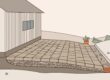
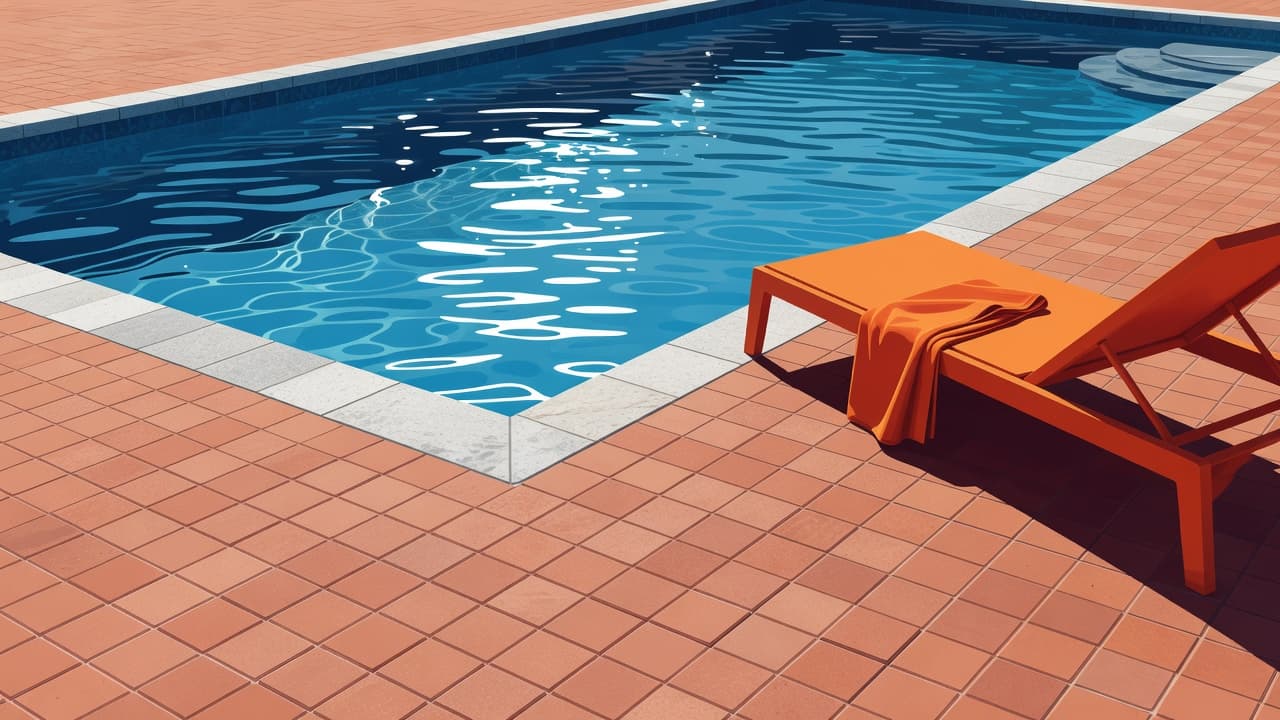
Pool coping forms the finished edge around the water. It may be made from concrete, brick, travertine pavers, marble, or another natural stone. Pool pavers usually meet the coping with a joint or narrow transition area.
That transition is where problems can appear first. The coping is connected to the pool structure, while swimming pool hardscapes rely on the compacted base below them. If the base settles or water washes through it, the pavers may drop while the coping stays in place.
A small separation doesn’t always mean there is a serious structural problem. Heat can cause materials to expand, and minor surface cracking may be cosmetic. Still, I pay close attention when the gap is widening, several pavers are rocking, or the coping is loose.
If you are evaluating the need for pool deck repair, the following signs deserve a closer inspection:
- A gap that continues to grow after resurfacing
- Pavers that rock when stepped on
- Cracks running through several pavers
- Coping that sounds hollow or moves under pressure
- Water collecting beside the pool edge
- Sand or soil washing out after rain
- A screen door dragging or enclosure posts appearing out of alignment
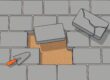
The repair should match the cause. A loose paver may need to be lifted, the base corrected, and the paver reset. A larger section may need excavation, new compacted aggregate, fresh bedding material, and replacement joint sand.
Screen Enclosures Add Another Concern
Many Southwest Florida swimming pool spaces feature screen enclosures supported by concrete footings. These footings sit close to the concrete pool deck and may be surrounded by pavers. Excavation, drainage changes, or previous repairs can disturb the soil around them.
Screen enclosure footings and surrounding paver pool decks can settle at different rates. If the pavers were removed during enclosure construction and the base was not rebuilt correctly, the area may begin to sink later. Heavy rain can expose the weakness quickly, especially where water drains toward the footing.
I inspect more than the crack itself. I check the enclosure posts, footing edge, paver joints, base, and water flow. A cracked paver beside the enclosure may be a surface issue, but a leaning post or footing pulling away from the patio needs professional attention.
Do not drill into the footing, move screen posts, or alter the anchoring system without qualified guidance. Screen enclosures are designed to handle high wind loads, and the foundation and anchors are part of that system.
Minor paver resetting may not require a permit in many cases. Work that changes the enclosure or its structural footer may require approval. Building requirements vary by location, so check with your local building department before modifying the structure.
How to Prepare Pavers Before Resurfacing Begins
Good preparation helps prevent damage and makes cleanup easier. Before the pool crew starts, I recommend documenting the condition of the deck with clear photos. Take pictures of existing cracks, loose pavers, chipped coping, stained areas, and gaps near the enclosure.
Then walk the area after rain. Look for water that sits beside the pool, runs toward the house, or collects near a screen enclosure footer. Drainage problems should be identified before the new pool finish is installed.
Protective coverings can help, but they need to be placed correctly. A tarp that traps moisture or redirects runoff toward a paver edge can create more trouble. Covers should not block drains, hold dirty water against stone, or create a slippery walking surface.
It also helps to identify any pavers that already move. Marking those areas prevents an existing problem from being blamed on the resurfacing work. If the pavers are already loose, repair them before construction traffic makes the movement worse. Careful surface preparation and open communication with your pool contractors will keep everyone on the same page regarding existing flaws. As you finalize your pool deck ideas, factor in how heavy equipment staging might impact the surrounding hardscape.
A proper pre-work review includes:
- Checking the paver field for rocking, cracks, and settlement.
- Inspecting the coping for loose sections or open joints.
- Confirming that water drains away from the pool edge.
- Protecting nearby surfaces from tools and construction materials.
- Planning access routes that reduce traffic across delicate areas.
Should Pavers Be Repaired Before or After Resurfacing?
In many cases, major paver repairs should happen before pool resurfacing. The reason is simple. If the pool edge, coping, or deck needs adjustment, it is easier to correct the elevations before the new finish is completed. This planning is especially important when you are undertaking a larger pool restoration or a comprehensive pool deck remodel.
However, final cleaning and joint sand replacement often happen after the resurfacing work. Construction traffic can disturb the pavers, and the final grade may not be clear until materials are removed.
The best order depends on the condition of the area. A small cracked paver may be replaced before the project, while a full deck adjustment may need coordination with the pool contractor. I want both contractors working from the same plan, especially where the coping height, drainage, and deck elevation meet. Quality paver installation techniques ensure that these transitions stay smooth and functional.
Do not cover a weak base with extra sand and expect it to stay level. Loose sand under one rocking paver may provide a temporary lift, but it does not correct erosion or poor compaction. Adding concrete into the gap can also create a rigid bond that cracks when the pavers and pool structure move independently. If you are dealing with existing concrete or considering a concrete overlay, you must account for how these rigid materials interact with flexible paver systems.
Matching matters too. Replacement pavers should match the surrounding size, color, texture, and pattern as closely as possible. A repair beside a bright new pool finish is easy to see, so poor matching stands out.
Cleaning and Sealing After Pool Resurfacing
Once the pool work is complete, the pavers may need careful cleaning. I don’t recommend blasting the deck with a high-pressure nozzle. Too much pressure can chip the paver surface and remove the joint sand that locks the joints together.
A controlled cleaning method is safer. The equipment, nozzle, pressure, and distance should match the material. Natural stone, brick pavers, and concrete surfaces don’t all respond the same way to cleaning products, especially if you have decorative elements like stamped concrete or exposed aggregate that require a gentler touch to remain slip resistant.
After the pavers are clean and fully dry, lost joint sand can be replaced. In suitable conditions, polymeric sand may help stabilize the joints and reduce washout. Sealing can also protect the finished surface, but the pavers must be repaired and dry first. A standard concrete resurfacer is designed for slabs rather than paver joints, so make sure to use the right product for your specific deck materials. Sealer won’t fix a sinking base, damaged edge restraint, or poor drainage.
I also check for residue left by pool materials. Some stains can be cleaned, while others may require a material-specific treatment. Acidic or abrasive cleaners can damage certain natural stones, so the cleaning method should be selected carefully.
When Professional Inspection Makes Sense
Call for an inspection when pool pavers continue to move, cracks return, or water collects around the pool. Repeated damage usually means the surface is showing an underlying support or drainage problem.
A qualified contractor should inspect the full area before recommending a repair. That includes the pavers, bedding layer, base, joints, coping transition, enclosure footing, and drainage path. Sometimes the answer is a small reset, and sometimes the area needs deeper correction. These structural evaluations often reveal factors that influence your overall pool deck cost over time.
I’ve worked on every kind of concrete pool deck where the visible problem looked minor, but the base had washed out several inches below the surface. I’ve also seen repairs fail because someone patched the top without addressing water flow. The lasting repair corrects the support below the pavers instead of hiding the damage.
Platinum Pavers of SWFL serves homeowners in Fort Myers, Cape Coral, Bonita Springs, Punta Gorda, Sarasota, and nearby communities. If you want your swimming pool area checked before or after resurfacing, Get a Free Quote and I’ll review the deck, coping, joints, and drainage before recommending the work.
Frequently Asked Questions
Can pool resurfacing damage my pool deck pavers?
Yes, heavy equipment, foot traffic, tools, and water runoff can disturb nearby pavers. Dust, pressure washing, and material handling can also remove joint sand or cause the surface to shift.
Should I repair my pavers before or after pool resurfacing?
Major paver repairs and elevation adjustments should generally happen before pool resurfacing starts. However, final cleaning and replacing joint sand are best done after the pool work is fully complete.
Why are my pavers separating from the pool coping?
Coping is rigidly attached to the pool beam, while pavers rely on a flexible compacted base. When the base settles or materials expand and contract at different rates, a gap can form between them.
How do I prevent water from ruining my paver base?
Ensure that proper drainage is in place so water flows completely away from the pool edge, footings, and paver borders. Avoid letting construction runoff pool on the deck during the resurfacing project.
Conclusion
Pool resurfacing can affect nearby pavers and coping through construction traffic, water, cleaning, material handling, and changes to the surrounding base. The pool finish may be new, but the deck still needs its own protection and inspection.
The strongest result comes when the pool contractor and hardscape contractor account for the entire area together. Whether you are dealing with pool pavers, a concrete pool deck, or an existing concrete surface with a concrete overlay, check the coping, repair unstable pavers, protect the joints, and correct drainage before a small gap becomes a larger repair. Proper pool deck resurfacing ensures that a clean pool is matched by a stable, level deck around it.