


Florida can humble a paver patio fast. One week the joints look full and clean, the next week rain has carved little trenches between the concrete pavers.
If I am choosing sand for any hardscape projects in Florida, I do not treat it like a minor detail. Polymeric sand usually provides better joint stabilization and a longer lasting result, while regular sand costs less up front but asks for more upkeep.
That does not mean one option fits every project. The right choice for your patio or walkway depends on the condition of the pavers, the weather exposure, and how much maintenance you are willing to live with.
Key Takeaways
- Climate Resilience: Due to Florida’s frequent heavy rains, polymeric sand is the preferred choice for most homeowners because it creates a hardened, stable bond that resists erosion and washout.
- Maintenance Savings: While regular sand is cheaper upfront, it requires constant maintenance to refill joints; polymeric sand offers better long-term value by inhibiting weed growth and discouraging ant tunnels.
- Installation Precision: Polymeric sand is less forgiving than regular sand; it requires specific joint widths, perfectly dry surface conditions, and proper watering techniques to prevent a cloudy, hazy residue on the pavers.
- Know Your Surface: Polymeric sand should only be used on structurally sound, stable paver installations. If your pavers are currently rocking or shifting, fix the underlying base before attempting to lock the joints.
Why Florida exposes weak paver joints
When I look at a paver driveway, walkway, or pool deck, I don’t start with the brick color. I look at the paver joints. Those spaces do more work than most homeowners think.
Joint sand helps lock each paver against the next one. It slows movement, helps spread weight, and cuts down on gaps where water, weeds, and insects can move in. If that sand keeps washing out, the whole surface starts losing support.
Florida is rough on loose joint sand. Heavy rain washout is the primary reason for sand loss, as storms frequently rinse it away. Sprinklers can keep it damp and unsettled, while intense heat dries it out until the next storm shifts it again. Ants love loose sand, too. Once they tunnel through the joints, the surface can start feeling hollow underfoot.
I think of joint sand as the zipper in the system. If the zipper opens, the whole thing starts looking sloppy.
That matters even more in Southwest Florida, where sudden downpours are common and concrete pavers take a beating from sun, foot traffic, and runoff. A patio does not have to be old to show it. I have seen newer installs look tired early because the wrong joint material was used, or because the right material was installed the wrong way.
So when people ask me about polymeric sand pavers, I do not hear a small product question. I hear a durability question. I hear a maintenance question. I hear, “How often do I want to keep fixing this?”
Polymeric sand and regular sand do different jobs
Regular sand is standard jointing sand. It fills the gaps, but it remains loose indefinitely, which is why homeowners often ask whether using regular sand between brick pavers is ever a good idea. Polymeric sand starts as sand as well, but it includes binders that firm up when water activates them.
Here is the plain-English comparison:
| What changes | Polymeric sand | Regular sand |
|---|---|---|
| Material | Sand mixed with polymer binders, including high-performance options like Dominator polymeric sand | Plain jointing sand |
| After watering | Firms up in the joints | Stays loose |
| Resistance to washout | Better | Weaker |
| Weed and ant control | Better, but not perfect | Weaker |
| Upfront cost | Higher | Lower |
| Future touch-ups | Less frequent when installed right | More frequent |
That chart gets to the point. Regular sand fills joints, while polymeric sand fills joints and then hardens enough to resist movement.
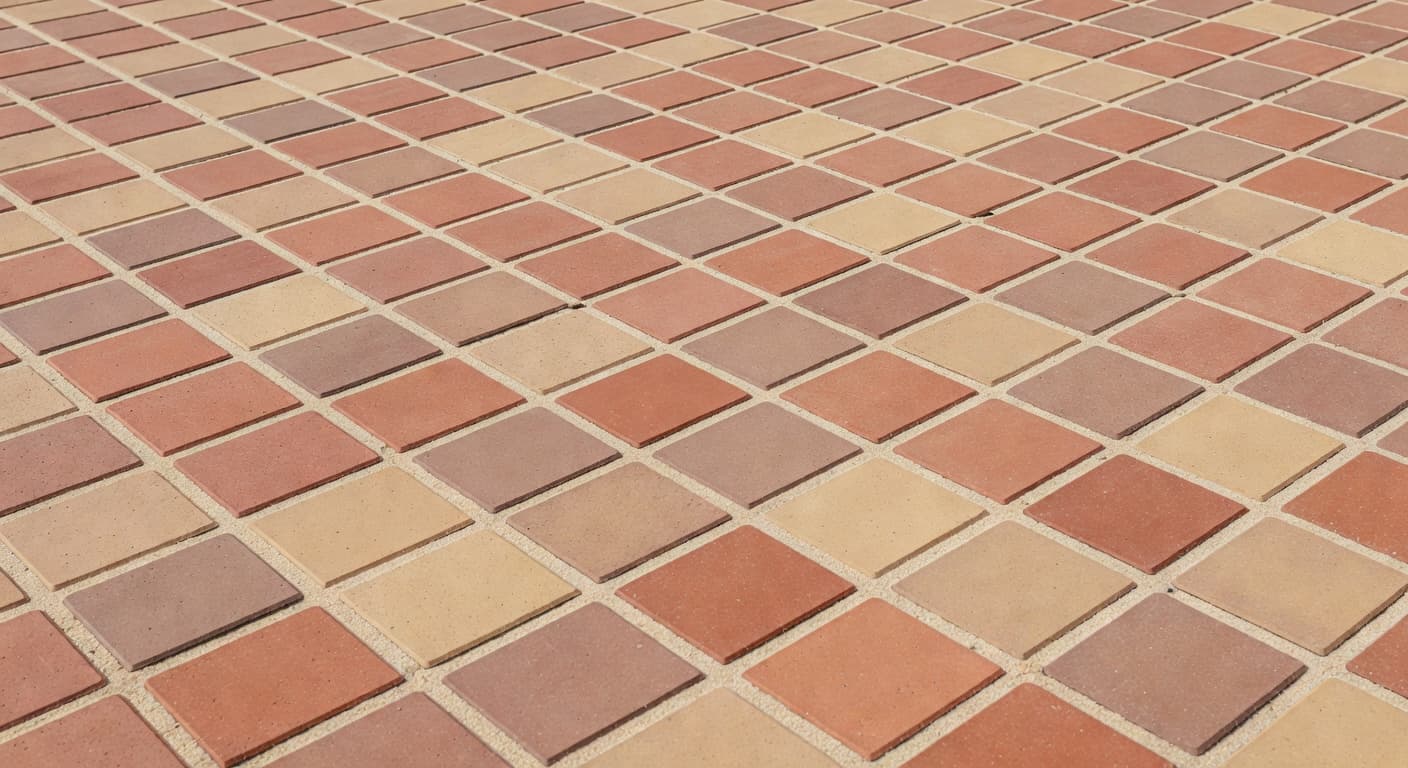
There is a catch, however. Polymeric sand is less forgiving during installation. To achieve the best results, you must ensure the correct joint width and joint depth for the material to bond properly. Furthermore, the paver surface must be bone dry before you begin the watering process. When activating the sand, use a light shower setting on your hose to avoid over-saturation, which can lead to rain washout effects or leave a cloudy haze on the surface. Before committing to a specific product, check available color samples to ensure the sand complements your existing concrete pavers.
Regular sand is simple. You sweep it in, compact it, and top it off when needed. That is part of why people still choose it. It is inexpensive, familiar, and easy to reapply.
Still, easy and better are not the same thing, especially in Florida.
When regular sand still makes sense
I do not think regular sand is useless. It still has a place, and pretending otherwise does not help anybody.
If you are working with natural stone or older concrete pavers that are loose or shifting, I usually do not want to lock those joints up too soon. That is like painting a wall before fixing the crack. If the surface needs repair, leveling, or reset work, regular sand can be the smarter temporary option because it is easy to remove and replace during the repair process.
Budget matters too. Some homeowners simply need the lower-cost route right now, especially on large-scale hardscape projects like a sprawling driveway or patio. Regular sand can get the joints filled and make the area usable again, even if it will not last as long as advanced alternatives.
Another case is a project with water issues that have not been addressed. If the area lacks proper drainage, no type of jointing sand is going to save the installation. Polymeric might hold better for a while, but it will not solve a bad base, a poor slope, or a constant washout path.
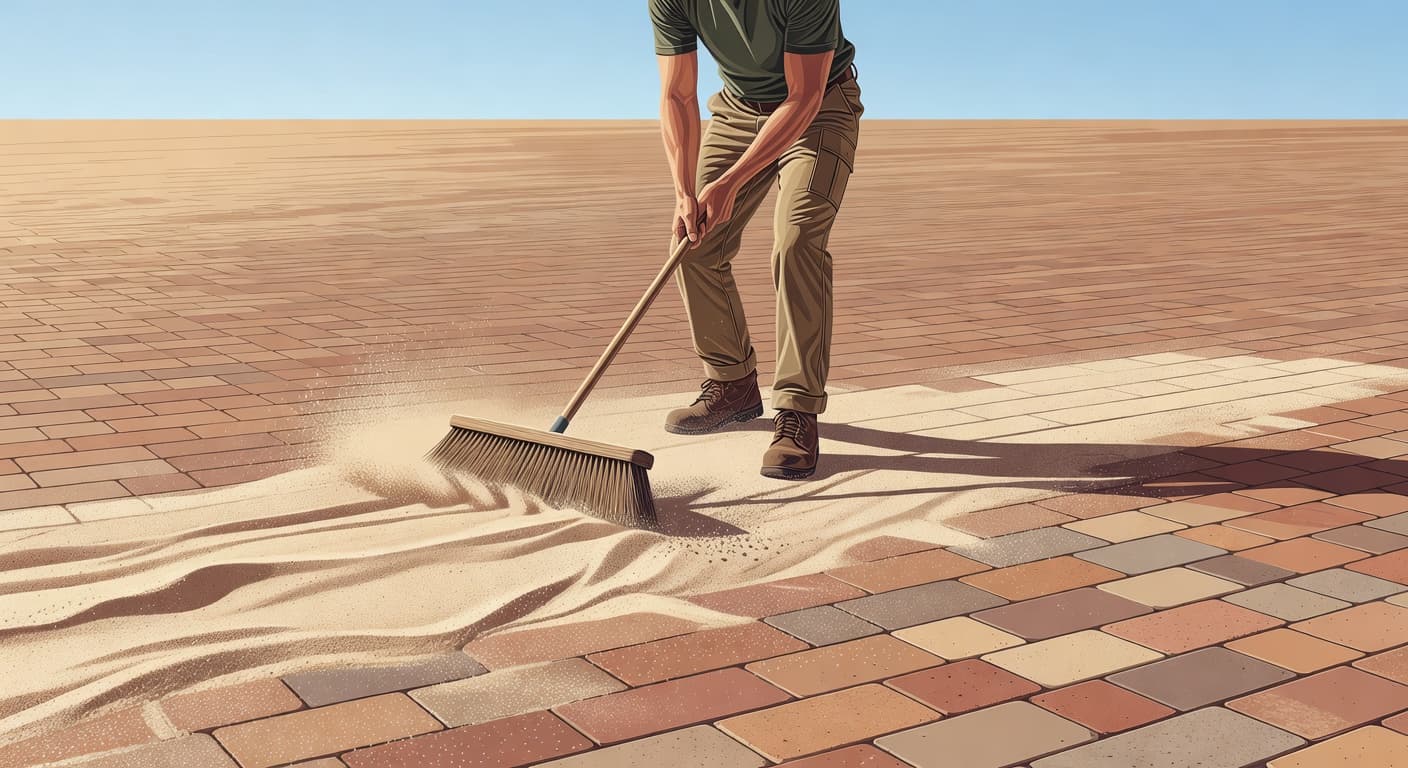
I also like regular sand when a homeowner knows they do not mind periodic maintenance. Some people are fine topping off joints every so often. If that is you, regular sand may not feel like a problem at all.
The issue is when homeowners choose it while expecting polymeric-level performance. That gap between expectation and reality is where the frustration starts.
Why polymeric sand usually wins on Florida pavers
For most Florida homes, polymeric sand is the better long-term play. I say that because of the local climate, not because the name sounds fancier.
Rain is the first reason. Loose sand disappears quickly during heavy storms. Polymeric sand provides superior joint stabilization, which locks the material in place and prevents the frustrating loss of sand that occurs after every heavy rain. That level of durability is essential for driveways and pool decks, where the combination of vehicular traffic and heavy runoff puts constant stress on the surface.
Ants are another big reason to make the switch. Plain sand gives them an easy place to dig, but the hardened surface of polymeric sand makes the joints a lot less inviting to pests.
Then there is the appearance. Full, firm joints make pavers look finished. They frame each brick cleanly and keep the surface from getting that tired, hollowed-out look. If you have ever seen a patio with empty joints and scattered weeds, you know how fast the whole area starts to feel neglected.
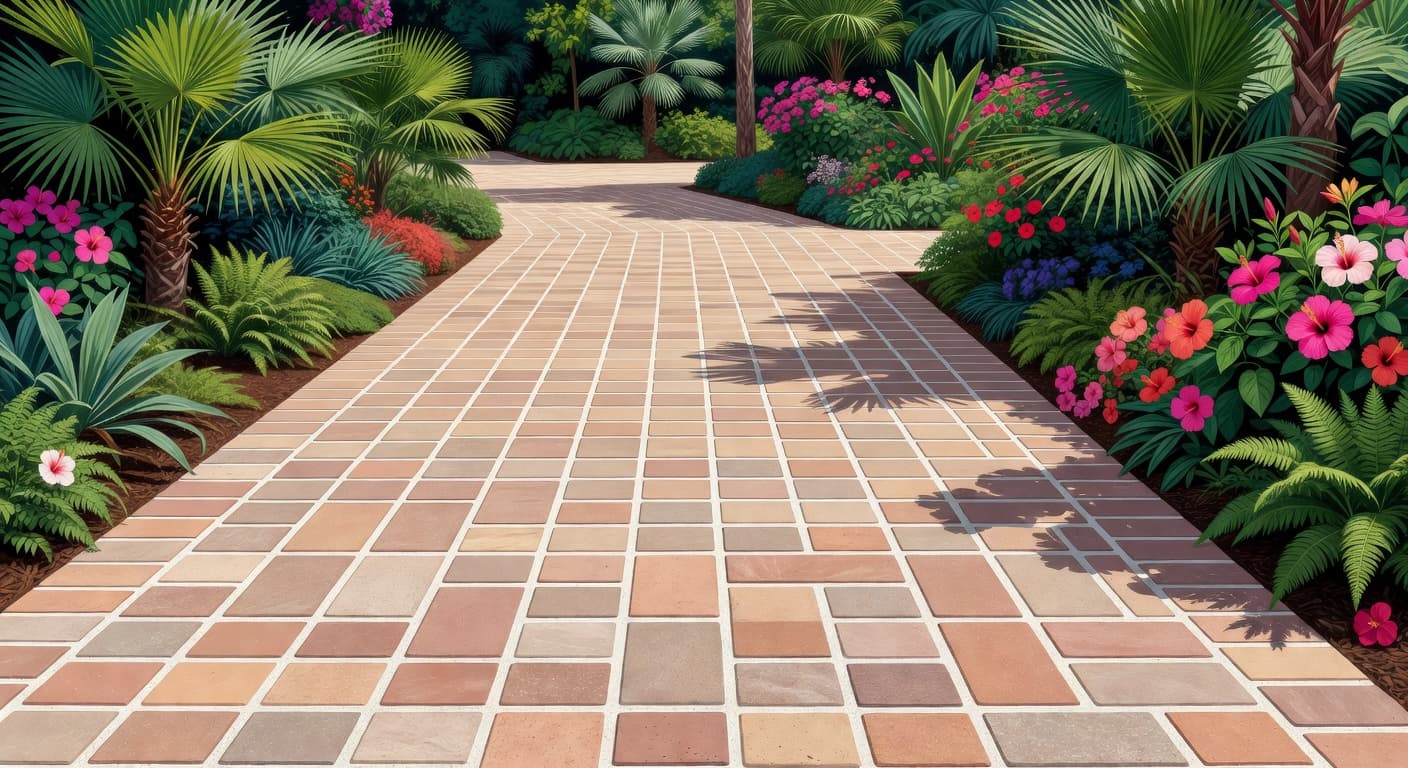
Weed control is a major benefit here as well. Polymeric sand significantly inhibits weed growth by closing off the loose, open gaps where seeds usually get a foothold. While nothing is completely impenetrable, this hardened barrier keeps your hardscape looking clean. For added protection, many premium sands now feature ceramic flex technology, which allows the joints to handle minor shifts without cracking. Once the sand has fully cured, applying a quality paver sealer can further protect the integrity of your paver joints against the elements.
Where homeowners get tripped up is assuming polymeric sand is magic. It is not. If the pavers are moving, the gaps are the wrong width for the product, or water drains poorly, the material can still fail.
If the joints keep emptying after every storm, the problem may be bigger than the sand.
That is why I recommend polymeric sand for areas that experience heavy pedestrian traffic and have been structurally soundly installed. In that setting, it earns its price and keeps your patio looking its best for years.
The install can make either option look bad
I have seen homeowners blame the sand when the real issue was the process. That happens all the time.
With polymeric sand, the surface has to be cleaned well before activation. Professionals often use a pressure washer to clear out old paver joints, followed by a leaf blower to remove lingering dust before starting the watering process. If you leave dust on the surface, it can turn into a stubborn white haze that ruins the look of your patio. Furthermore, the joints need enough depth for the material to grab and lock in place. The weather window matters too. In Florida, a pop-up afternoon storm can wreck the timing if the product has not set correctly.
Regular sand has its own weak spot. If it is not compacted and topped off properly, it settles fast and leaves shallow joints from day one. Ensuring the correct joint depth is vital for the product to remain stable against the elements. If the sand is thin, water gets in, ants move in, and the cycle starts over again.
This is also where old pavers need an honest look. If bricks are rocking, edges are chipped, or the pattern has started spreading apart, fresh sand alone will not fix the underlying problem. Re-sanding can improve the appearance for a while, but it will not restore a failing base or reset sunken sections.
If you are not sure whether you need re-sanding, repair, or a full reset in certain areas, it is worth getting another set of eyes on it. You can Get a Free Quote and have your paver joints, proper drainage, and general paver movement checked before spending money twice.
The best-looking paver projects usually are not the ones with the fanciest brick. They are the ones where the base is solid, the joints are filled correctly, and the sand matches the local conditions.
Frequently Asked Questions
Can I put polymeric sand over my existing old sand?
No, you should not simply pour new sand over old, loose material. The joints must be cleaned out to the proper depth using a pressure washer and leaf blower to ensure the polymer binders can create a strong, lasting bond with the paver edges.
Why does my polymeric sand have a cloudy white haze on top?
This is usually caused by leftover dust on the paver surface before the sand was activated or by using too much water during the rinsing process. Always ensure the pavers are completely clean of fine dust before wetting the joints, and use a light misting spray to activate the binders.
Is polymeric sand completely waterproof and weed-proof?
While it is highly resistant to water and weeds, no material is truly impenetrable. Over time, extreme conditions or structural movement may cause minor cracks, but it remains significantly more effective at preventing weed seeds from taking root compared to traditional loose sand.
Should I choose polymeric sand for a DIY project?
It is a great choice for DIYers, provided you follow the manufacturer’s instructions precisely regarding weather conditions and water application. If your paver surface requires extensive leveling or repair, however, you may want to consult a professional to ensure the base is solid before locking the joints.
The smarter pick for most Florida homes
When deciding how to finish your hardscape projects in Florida, the choice often comes down to long-term maintenance. For most homeowners, polymeric sand is the superior option because it provides essential joint stabilization. By locking pavers firmly in place, this product resists rain washout and significantly limits weed growth, ensuring your outdoor space stays clean and structurally sound throughout the year.
While regular sand remains a budget-friendly solution for temporary fixes, unstable surfaces, or projects awaiting future repairs, it lacks the durability required for our climate. If you want your polymeric sand pavers to look their best and hold up after the next heavy storm, the joints should be a priority rather than an afterthought. Investing in the right material now will save you from constant weeding and maintenance in the long run.