


One hard storm, and the neat lines between your brick pavers can look hollow overnight. If you have seen that happen, the rain probably did not create the problem. Instead, the downpour acted as a catalyst that exposed a pre-existing weak spot through erosion.
When I see joint sand washout, I usually find the culprit is a combination of moving water, weak joints, or pavers that were already shifting. The missing sand is merely the symptom. The real answer is usually hiding in the way water moves across, through, or under the surface.
Key Takeaways
- Rain acts as a catalyst: Heavy storms typically expose existing structural weaknesses, such as improper slope, poor drainage, or underfilled joints, rather than causing the damage themselves.
- Sand is a structural component: Joint sand is essential for locking pavers together; when sand is lost, pavers become unstable and more susceptible to further erosion and weed growth.
- Look beyond the surface: If your pavers shift, rock, or hold standing water, the issue is likely within the base layer, and simply replacing the sand will not provide a permanent fix.
- Prioritize proper installation: Whether using regular or polymeric sand, ensure joints are filled to the proper depth and correctly activated to create a durable, stable surface.
- Identify the root cause: Before re-sanding, check for concentrated runoff from downspouts or incorrect surface grading to prevent the cycle of washout from repeating.
Rain usually exposes a weak spot
I look at pavers as a system, not a row of individual bricks. The base matters, the bedding layer matters, and the edge restraints are critical for holding the perimeter in place. The sand in the paver joints matters more than most homeowners think.
Joint material is not there for looks alone. It helps lock neighboring pavers together, reduces side-to-side movement, and limits open space where weeds, ants, and water can get to work. When the paver joints stay full, the whole surface achieves the joint stabilization needed to act as a tight, strong unit.
Heavy rain changes the picture fast. Water does not sit politely on top of a patio or driveway; it runs downhill, drops into low gaps, and follows the easiest path out. If the material is shallow, loose, worn out, or never compacted well, that flow carries it away bit by bit. As moisture penetrates the surface, it works a lot like rinsing sugar off a plate.
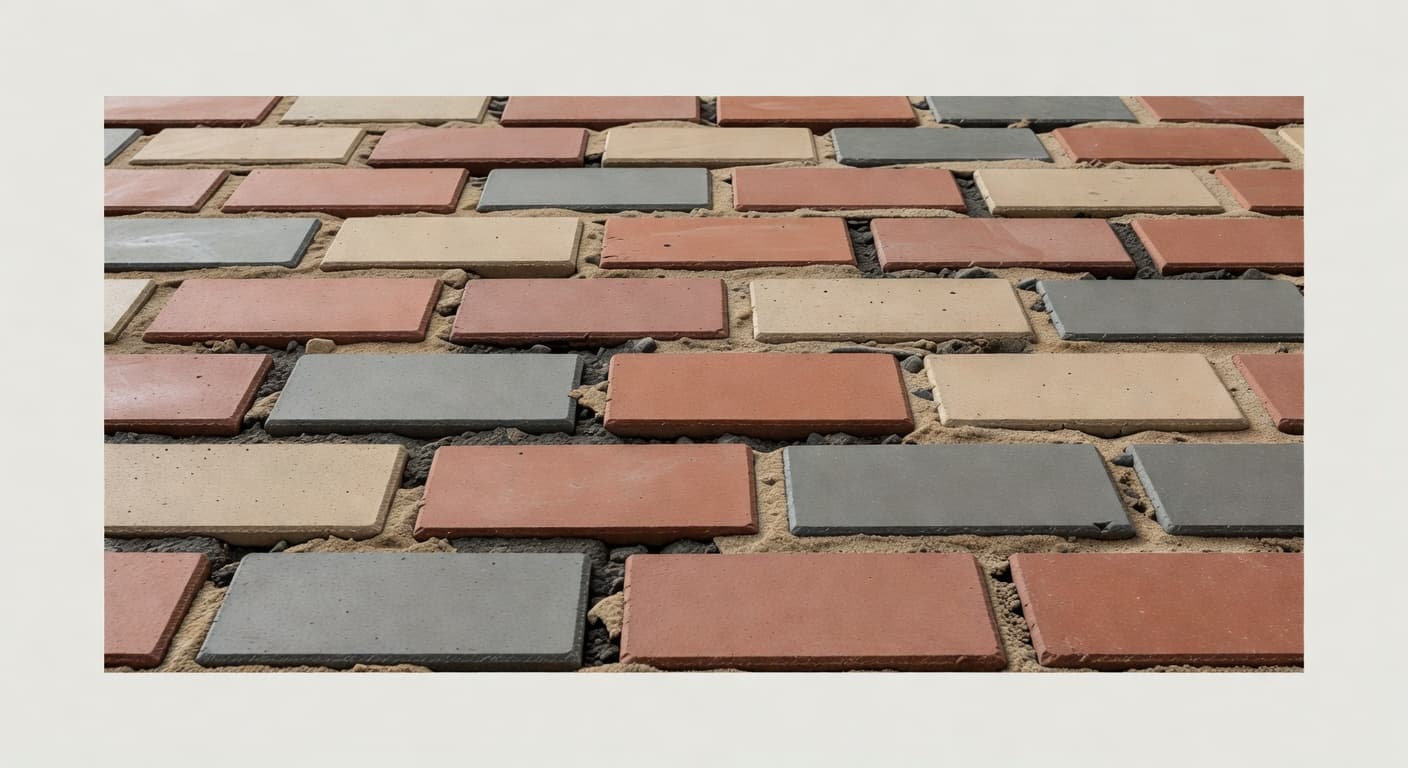
A lot of people blame the storm alone, but I do not. A well-built paver surface usually handles rain far better than one with underfilled gaps or poor drainage. Here in Southwest Florida, a summer downpour can hit like somebody turned a hose on full blast. Even then, stable pavers with full joints hold up much better.
The joint material matters too. Standard regular sand can wash out faster than polymeric sand, which is designed to harden after proper activation. However, even high-quality material is not magic. If the pavers move, if the joints are too shallow, or if runoff crosses the same spot every storm, even the best sand can break down.
Rain is the stress test. The weak spot was usually there first.
That is why I do not treat missing joint sand as a random annoyance. I treat it like a clue.
The biggest reasons paver joint sand washes out
When I inspect a washout problem, I rarely find one single cause. Water needs a path, and sand needs a reason to let go. Once those two factors align, the joints empty out. The pattern of the damage usually reveals the root of the problem.
| Cause | What the rain does | What you usually notice |
|---|---|---|
| Poor slope or poor drainage | Water sheets across the surface and scours the joints | Sand loss on the low side, standing water after storms |
| Downspouts or roof runoff | Concentrated water hits one area like a hose | Repeated washout near corners, edges, or splash zones |
| Joints not filled enough | Shallow sand lifts out due to improper joint width | Gaps appear quickly after one or two storms |
| Wrong sand or old worn-out sand | Fine loose particles move easily when saturated | Dusty joints, recurring loss after rain |
| Paver movement or weak edge restraints | Opening joints loosen the sand and invite more flow | Wider gaps, rocking pavers, spreading borders |
| Aggressive cleaning | The joints start weak before the storm arrives | Freshly cleaned areas lose sand first |
That last point about cleaning surprises people often. Using a pressure washer can strip out a significant amount of joint material long before the rain shows up, leaving the surface vulnerable to the next storm.
I also pay attention to whether the problem is new or old. A brand-new patio featuring concrete pavers that loses sand after the first few storms often points to incomplete compaction, underfilled joints, or the wrong product. Conversely, an older driveway may suffer from poor drainage or simply lose sand because traffic, weather, and repeated freeze and thaw cycles have slowly worn the joints down over time.
Location matters too. If the washout sits below a downspout, I do not call it bad luck. If it keeps happening on the same downhill edge, I start looking at the grade and how water exits the hardscape. If the entire surface looks thin and dusty, the joints may never have been packed correctly in the first place.
Most of the time, joint sand washout is not one dramatic failure. It is a chain of smaller issues, and heavy rain simply ties them together.
How to tell if it’s only the joints, or the base below
Sometimes the fix is simple. If the pavers are flat, tight, and solid underfoot, the repair may stop at cleaning and re-sanding the paver joints. As long as you maintain the proper joint depth, this is usually just a minor maintenance task rather than a full rebuild.
I get more concerned when I see any of these signs:
- Pavers rock, click, or shift when you walk on them
- Low spots hold water long after the rain ends
- The same joints keep opening up in the same place
- Border pavers start spreading or separating
- Bedding sand shows up at the surface, not just joint sand
Those clues point below the top layer. The base may be too thin, poorly compacted, softened by water, or slowly washing away at the edges. In that case, refilling the gaps helps for a while, but it won’t stop the movement that caused the loss.
If the pavers move, the sand isn’t the main problem anymore.
I also watch for how fast the sand disappears. If you refill the gaps and the next strong storm empties them again, don’t keep feeding the same spot more sand like a slot machine. That repeat pattern usually means runoff is concentrated, the slope is wrong, or the surface is flexing every time it gets wet.
Weeds and ants can make the mess look worse. While weed growth and active ant activity usually do not start the problem, they thrive in empty joints. Once they settle in, they loosen the area even more and trap moisture where you do not want it, which eventually compromises the structural integrity of the base.
When I separate a minor washout from a deeper structural issue, I save a homeowner time and money. The right repair depends on which of those two problems I am dealing with.
How I stop the washout cycle
I start with the cause, not the symptom. If water is pouring off a roof edge, running toward a low corner, or collecting at the border, I deal with that first. That may mean redirecting a downspout, adjusting the grade, adding drainage, or resetting a section that has settled.
If the pavers are stable, I clean the joints well and let the area dry fully. Then I refill the joints with the right material for the width and depth. In many cases, I prefer polymeric jointing sand because it holds better than loose sand when it is installed correctly. However, you must follow a specific process to ensure success.
The joints need enough depth. The pavers must be dry before you begin sweeping the polymeric sand into the gaps. On larger areas, I use a plate compactor to ensure the sand settles to full depth before the final fill. After sweeping, use a leaf blower to remove all excess dust from the surface, which helps prevent a messy polymeric sand haze from appearing once the product gets wet.
The activation process is critical. Use a hose set to a gentle shower setting to wet the area. Avoid under-watering, as the binder will not set properly, but be equally careful to avoid over-watering, which can wash the binder out before the curing time is complete. If you are diligent with the installation, polymeric jointing sand creates a durable, flexible bond.
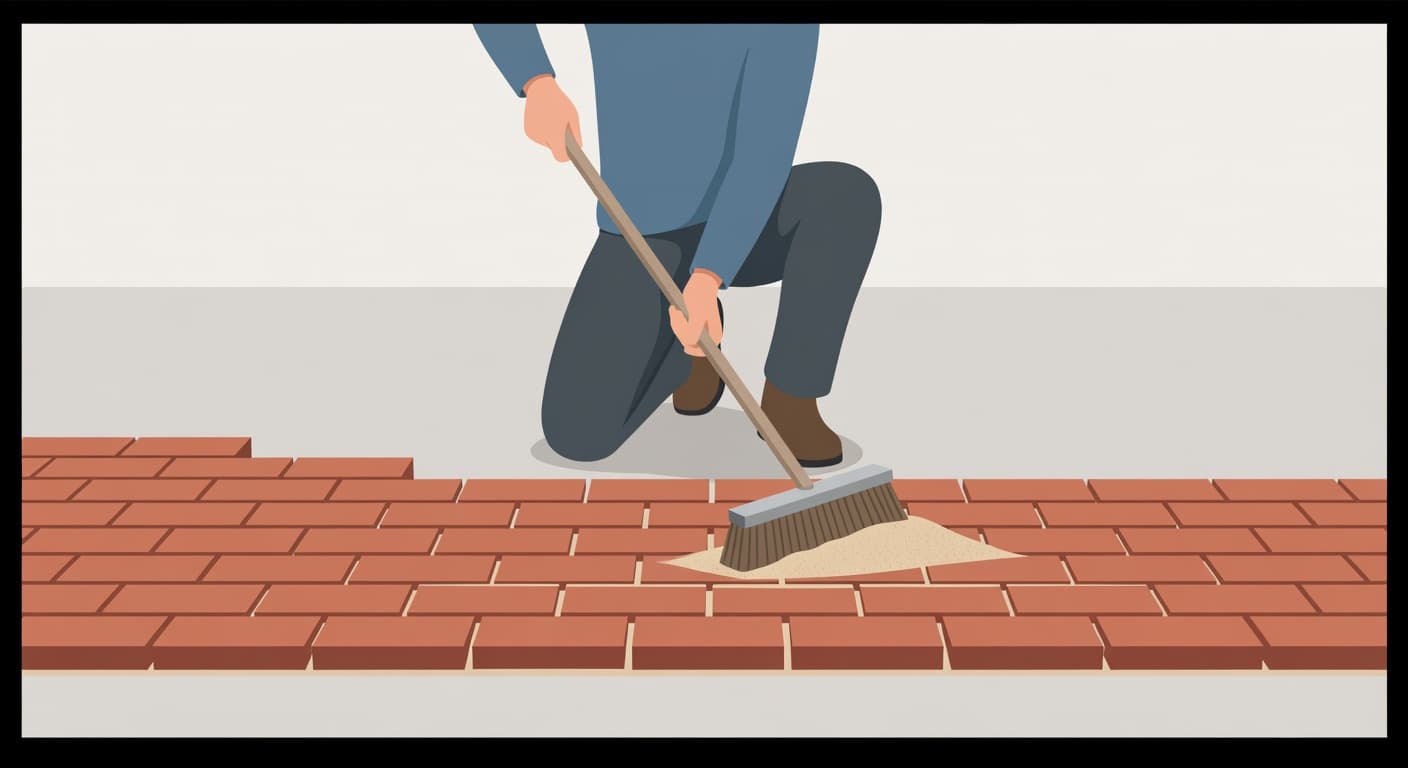
If the pavers are loose or sunken, I do not hide the problem under fresh sand. I lift the affected area, correct the base, re-level the bedding layer, reset the pavers, and then refill the joints. That is the repair that lasts.
I also stay careful with pressure washing after the repair. Cleaning is fine, but blasting straight down into the joints is not. A good wash removes surface grime, but it should not excavate the patio. Applying a high-quality paver sealer can help protect the surface once the joints have cured, but remember that paver sealer does not replace solid drainage or a stable base.
If you would rather have somebody inspect the slope, drainage, and paver movement before the next storm, Get a Free Quote. A short site visit can tell you whether you need fresh joint sand, drainage correction, or a deeper reset.
Frequently Asked Questions
Why does my polymeric sand keep washing out?
If polymeric sand is washing out, it likely wasn’t installed with the correct activation process or the joints were not filled deep enough. Alternatively, constant water flow from a roof or poor drainage may be overwhelming the bond before it has a chance to fully cure.
Can I just pour new sand over the top of the old gaps?
Simply filling the gaps is a temporary fix that rarely lasts if the underlying cause—such as a shifting base or poor slope—remains. You must ensure the pavers are stable and the existing sand is cleaned properly before adding new material to ensure a secure bond.
Does pressure washing cause sand loss?
Yes, aggressive pressure washing is a common culprit for premature sand loss. Blasting water directly into the joints can easily strip away even high-quality sand, leaving your pavers vulnerable to the next heavy rainstorm.
How do I know if my paver base is failing?
Signs of base failure include pavers that rock or shift when walked upon, persistent low spots where water puddles, and borders that begin to spread or separate. If you notice these symptoms, the issue is structural and requires lifting the pavers to fix the foundation.
Conclusion
Heavy rain does not pick on healthy pavers. Instead, it finds weak spots, fast runoff, and movement beneath the surface.
This is why joint sand washout keeps returning until you address the underlying issue. If the pavers remain stable, simple re-sanding may be enough to restore the area. However, if the pavers rock, pond water, or if you notice your paver joints continuing to open in the same spot, your repair strategy must go deeper.
The missing sand is merely a symptom. Follow the path of the water, and the solution to your drainage problem will usually reveal itself.