


Loose pavers usually don’t start with the stone itself. They start with what’s underneath, between, or around it.
That soft, shifting feeling under your foot is a clue. If a patio, driveway, or walkway has begun to move, those shifting patio pavers are telling you something below has changed. I see it all the time, and it almost never gets better on its own. Left unaddressed, this movement can quickly turn into a significant trip hazard.
The good news is that the cause is usually easy to track once you know what to look for. The trick is separating a small surface issue from a bigger base problem.
Key Takeaways
- Foundation First: Loose pavers are almost always a symptom of an underlying issue, such as inadequate base compaction, poor drainage, or soil settlement, rather than a problem with the stones themselves.
- The Role of Joint Sand: Beyond just filling gaps, joint sand provides essential friction that locks the paver system together; when it washes away, stones lose stability and begin to shift.
- Environmental Factors: External elements like water runoff, invasive tree roots, and failing edge restraints can undermine your base, turning small surface inconsistencies into larger trip hazards.
- Repair vs. Reset: While minor issues can be solved with a simple re-sand, recurring movement often requires removing the section to properly level and re-compact the base to ensure a permanent fix.
The Base Is the First Thing I Check
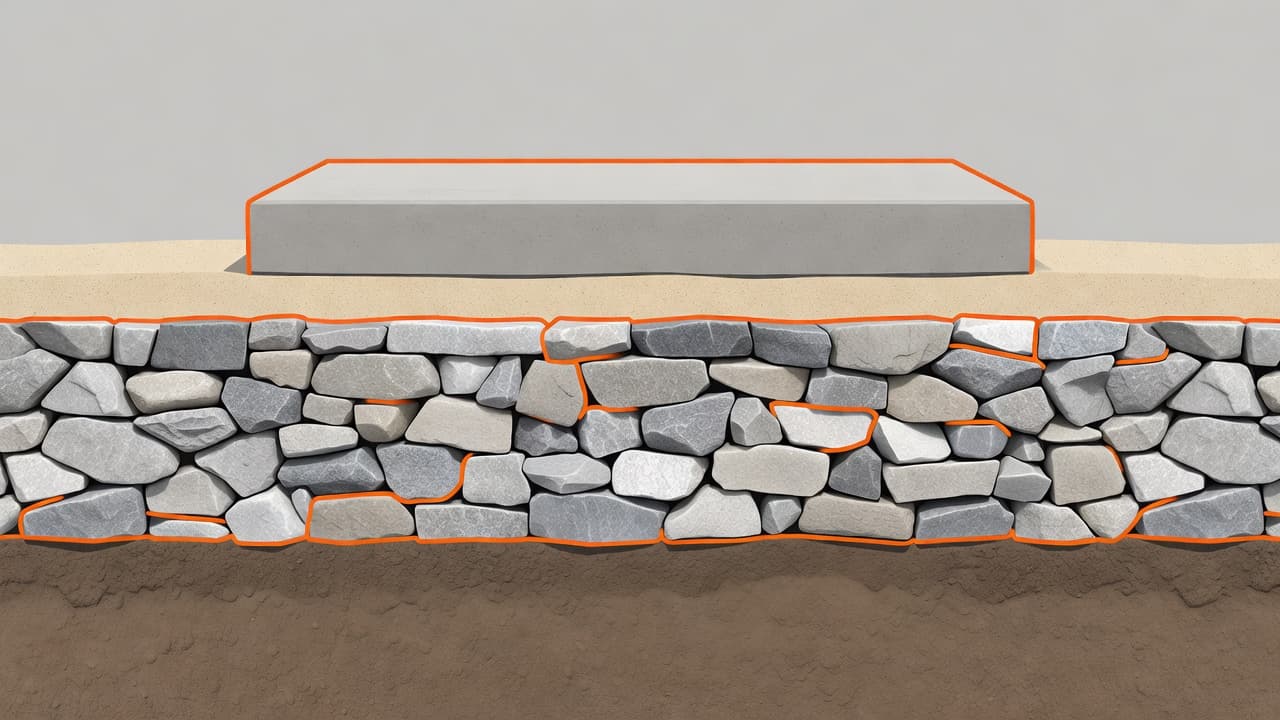
When pavers move, I start below the surface. A paver system is only as steady as the base material under it, and that foundation has to stay compact and level through proper installation techniques, such as thoroughly compacting the base.
If the base was installed too thin, not compacted enough, or laid over weak soil, the pavers can suffer from base settlement. Once that happens, the stones become wobbly pavers that rock when you step on them. You may notice one corner dropping first, or a small patch that feels soft while the rest of the area still feels firm.
That is because pavers spread weight across the surface, but they still depend on support underneath. If the support shifts, the pavers shift with it.
Heavy rain makes this worse. So does poor drainage. Water works its way into open spots, softens the soil, and creates tiny voids that let the stones move. A sand base is particularly susceptible to these drainage issues, and in Southwest Florida, that kind of movement can show up fast after a storm.
If a paver rocks, I don’t look at the top first. I look at the support below it.
Joint Sand Keeps Pavers Locked In
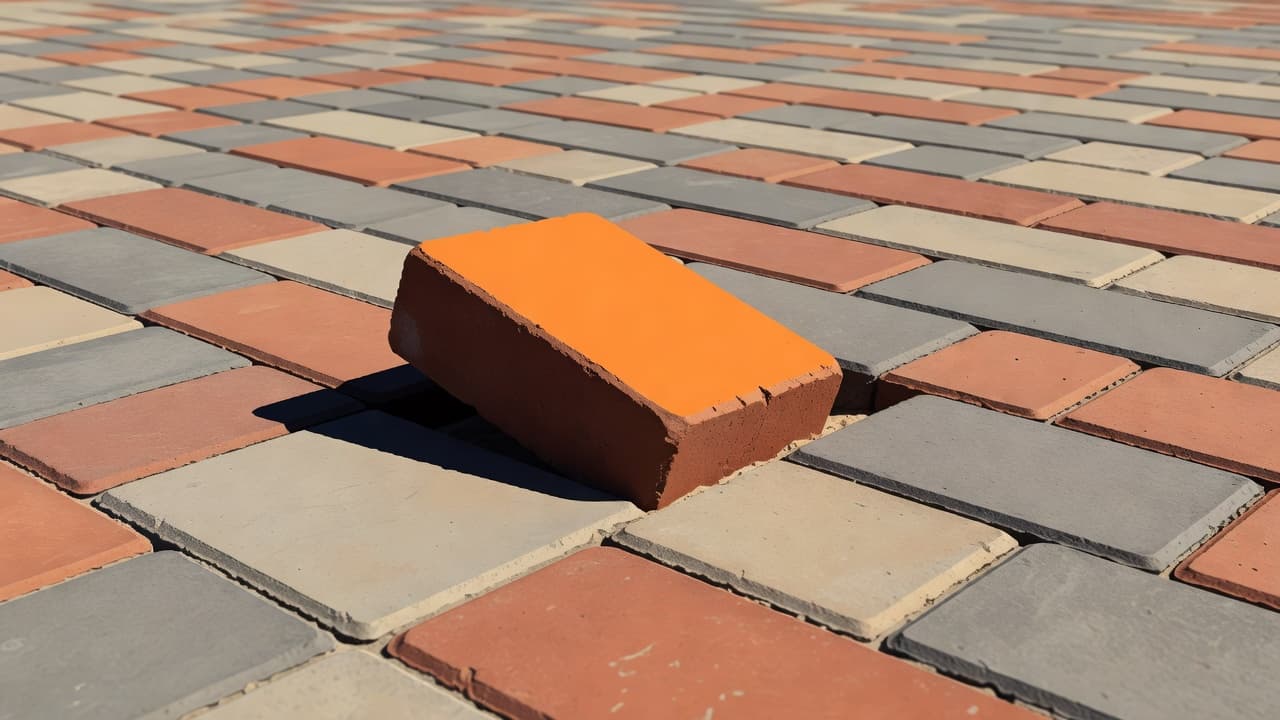
Joint sand does more than fill the gaps; it acts as a critical structural component that helps hold the whole system in place. When joint sand gets washed out, blown away, or worn down over time, the stones lose their necessary friction. As a result, loose pavers may begin to slide, tip slightly, and create a hollow feeling when you walk across them.
A few missing sections of joint sand can create a much bigger problem than most homeowners expect. I often see this issue after aggressive pressure washing. Too much force can strip out the material and leave the stones free to move. This does not mean pressure washing is bad, but it does mean that the joints need to be protected afterward.
Weeds and ants can also make the problem worse. Once the sand level drops, gaps open up. Those gaps invite more movement, more moisture, and more debris, which turns into a destructive cycle.
This is where re-sanding matters. Using fine sand, or choosing polymeric sand to tighten the surface of your patio pavers, provides a durable solution to prevent further movement. It fills the voids, reduces shifting, and gives the stones something to lock against. If the base is sound, this simple maintenance step can make a significant difference.
Water, Roots, and Heavy Loads Push Them Out of Line
Loose pavers don’t always come from one single mistake. Sometimes they get pushed around by daily life.
Water is a big one. If runoff keeps moving across the same spot, it leads to water erosion that can wash out bedding sand and weaken the base. Low areas are the first to show it. So are spots near downspouts, sprinkler heads, and pool edges where drainage issues often persist.
Tree roots can lift sections too. Roots don’t need to tear everything apart to cause trouble. A slight lift under one side of a brick patio or a pool deck is enough to make a paver feel unstable underfoot. Once the surface is no longer flat, the movement becomes obvious.
Heavy traffic matters as well. Driveways take repeated loads. So do walkways near side yards, service areas, and garage entries. Every pass adds stress. If the base was already weak, the wear shows up sooner.
I also pay attention to edge restraints. If the system that holds the border in place fails, the outer pavers begin to spread. Once the perimeter moves, the field of pavers follows.
The problem may look small at first. Then one loose area becomes three. That is how a tiny soft spot with loose pavers turns into a full repair.
How I Tell a Small Issue From a Bigger One
Not every loose paver means the whole surface has failed. When dealing with your patio pavers, some issues are simple fixes, while others serve as a warning sign of deeper problems.
A quick check usually tells the story. I look at how many pavers are moving, where they are shifting, and whether the problem returns after heavy rain.
Here is the simple version:
| What you notice | What it often means |
|---|---|
| One paver rocks when you step on it | Joint sand is low or the bedding sand has a small void |
| A small cluster feels soft | The base has settled in one spot |
| Edges move first | The border restraint may have failed |
| The same area loosens again after rain | Drainage is washing out the support below |
| Wobbly pavers across a large area | General base settlement is occurring |
If the problem stays in one spot and the rest of the surface feels solid, the repair may be small. However, if the area keeps sinking, spreading, or reappearing after a storm, I start thinking about a more intensive fix.
A paver surface should feel firm all the way across. If it does not, there is usually a reason hiding under the surface. Identifying loose pavers early is critical because shifting stones can quickly create a safety hazard for anyone walking on your path or patio.
What Holds a Repair Together Long Term
A quality repair involves more than just putting the same pavers back where they were. I have seen that mistake too many times. While a simple DIY repair might involve pulling up a few stones, a professional repair ensures the underlying issues are solved for good.
If the base has failed, the entire loose section must be removed. The area underneath needs to be cleaned out before you add new base material like stone dust. You should then follow a step-by-step repair process to ensure the ground is leveled properly. Using a plate compactor is essential here, as compacting the base is the only way to prevent future sinking. If you are not using a machine, you must ensure you are compacting the base thoroughly by hand. Once the foundation is stable, use a level tool to check the grade. Even if the stones look flat, a level tool will confirm you have the right slope for drainage.
After preparing the bedding layer, you can reset pavers into their final positions. Use a rubber mallet to tap each stone into place, then use your level tool one last time to ensure everything is flush. The finishing steps are just as important as the foundation. Fill the gaps with joint sand or high-quality polymeric sand to lock the pieces together, and always inspect your edge restraints. If the border is shifting, the entire project will lose its shape.
For smaller problems, a simple reset and re-sand may be enough. For bigger ones, I prefer a professional repair that rebuilds the section correctly rather than chasing the same loose spot every season. If you are dealing with pavers that keep moving, start with an inspection instead of a guess. You can Get a Free Quote and find out whether the fix is a simple reset or a deeper structural rebuild.
Frequently Asked Questions
Can I just fix a loose paver by adding more sand under it?
Usually, this is only a temporary patch. If the paver is loose, there is typically a void or a settling issue in the base that needs to be addressed with proper compaction to prevent the stone from rocking again.
Why does my patio feel soft after heavy rain?
Water often infiltrates the paver system and saturates the soil or bedding layer, which softens the foundation. If your drainage is poor, this moisture causes the base to shift, resulting in that spongy, unstable feeling underfoot.
Do I need to remove all my pavers to fix a few loose ones?
Not necessarily, but you must remove the loose pavers and the surrounding stones to properly reach the base. This allows you to inspect the sub-surface, add fresh bedding material, and ensure the new stones are compacted level with the rest of the patio.
How can I stop weeds and ants from loosening my pavers?
Keeping your paver joints filled is the best defense. Using polymeric sand creates a hardened, restrictive barrier that makes it much more difficult for ants to tunnel or weeds to take root compared to standard paver sand.
Conclusion
Loose pavers feel soft because something in the structural system has shifted. This instability often stems from a compromised foundation, washed-out joint sand, failing edge restraints, or poor drainage around the area.
Once you identify where the movement begins, the path to a permanent fix becomes much clearer. By consistently maintaining your joint sand and ensuring the foundation remains solid, you can prevent future settling and ensure a long-lasting surface. A single stone that moves under your foot might seem like a small issue, but addressing it correctly now will prevent the need for more extensive repairs down the road.