


You can tell a lot about an outdoor surface with one walk across it. If your paving stones shift, get slick, or start looking worn after a few seasons, your feet know before your eyes do.
I have always thought the simplest test is the best one. Walk on your walkway or patio after rain, in flip-flops, barefoot, or with your hands full of groceries. That is where the durability of concrete pavers really comes through, providing a level of comfort and stability that goes beyond any sales pitch. That is where the real paver benefits show up.
Key Takeaways
- Superior Stability and Feel: Concrete pavers offer a firm, textured surface that provides better grip and a more grounded sensation underfoot compared to plain concrete slabs.
- Robust Interlocking System: The structural integrity of pavers relies on a comprehensive system of interlocking units and a compacted base, which allows the surface to handle weight and minor soil shifts without cracking.
- Ease of Maintenance and Repair: Unlike poured concrete, which often requires complete replacement if damaged, pavers can be individually removed and replaced, making utility repairs and localized fixes simple and non-invasive.
- Enhanced Curb Appeal: Beyond their functional benefits, pavers add character and visual rhythm to outdoor spaces, significantly increasing the aesthetic value and finished look of a property.
Why pavers feel better underfoot
One of the most overlooked paver benefits is pure feel. A well-built paver walkway feels firm without being punishing, offering a subtle stability underfoot. It has texture, grip, and a little visual rhythm, so each step feels more grounded, much like the classic sensation provided by high-quality brick pavers.
That matters more than people think. On a patio, you want a surface that feels comfortable when you are moving chairs, carrying food, or walking out with wet feet from the pool. On a front path, you want each step to feel steady, not slick or hollow.
When I walk across a good paver surface, I notice two things right away. First, it feels planted. Second, it does not feel flat and lifeless like a big gray slab.
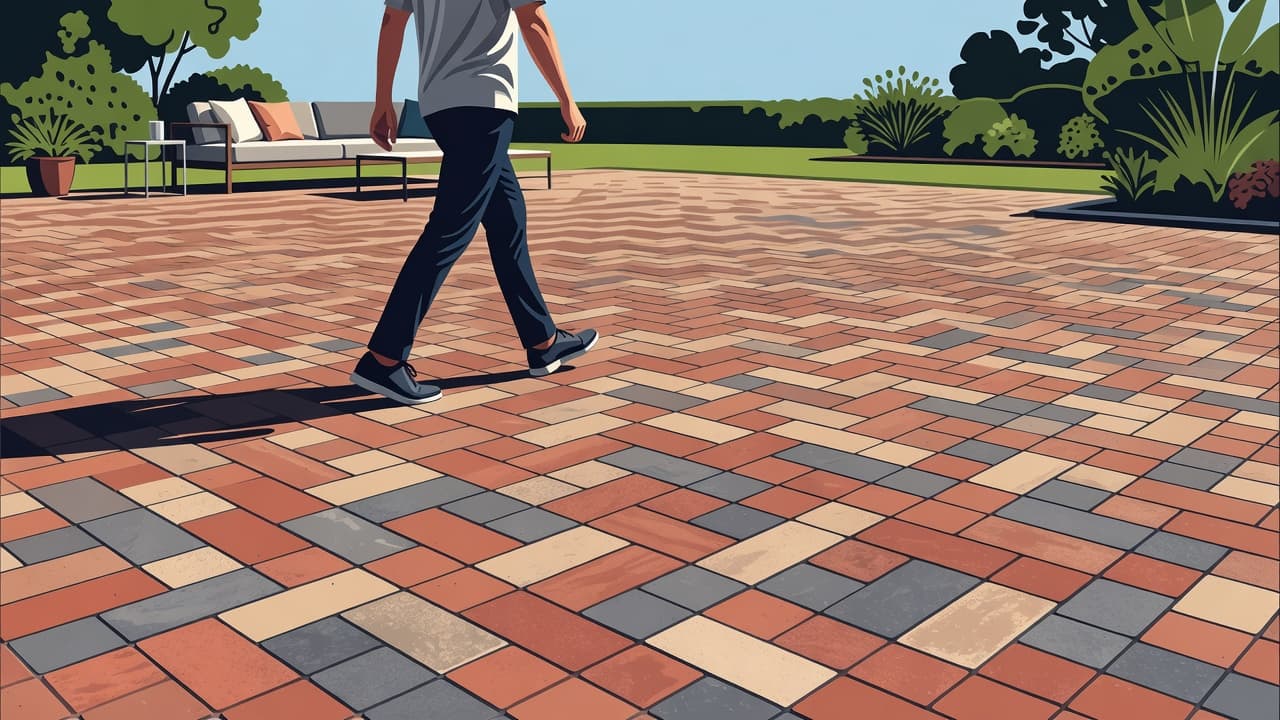
The joints between pavers help break up the surface, which provides essential slip resistance when the area is built and graded well. That is a big deal for pool decks and walkways in Southwest Florida, where water is part of daily life for much of the year.
The combination of color and texture helps as well. Pavers usually look warmer and more welcoming than plain concrete, which changes how a space feels to use. A patio should invite you in, not remind you of a loading zone.
Of course, none of this happens by accident. If the base is weak or the installation is sloppy, even great-looking pavers will not feel right. But when the work is done well, the comfort is immediate. You do not have to think about the engineering. You simply feel the difference.
Interlocking pavers stay solid because the system works
I have heard people talk about pavers like they are just small bricks lined up in a row, but that misses the point. The real strength of interlocking pavers comes from the system itself, not just the individual pieces.
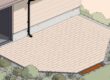
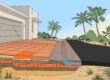
Each paver locks into its neighbors, creating a unified field. Under that surface is a compacted base, bedding material, and edge restraint that helps the entire area hold together. When weight lands on one area, the load spreads out across the surface instead of stressing a single, vulnerable point.
This is why these systems handle daily foot traffic so well and why driveway pavers are such a reliable choice for heavy loads. A poured concrete or stamped concrete slab is one rigid piece, so if the ground moves underneath, it is forced to crack. In contrast, the design of concrete pavers provides flexibility, which is essential in regions with frequent freeze-thaw cycles or shifting soils. Additionally, you can choose permeable pavers, which allow the system to manage water runoff efficiently by letting it drain through the joints.
A paver surface stays strong because it can handle small movement without turning one tiny problem into one big crack.
You can see that tight, stable fit in the pattern itself.
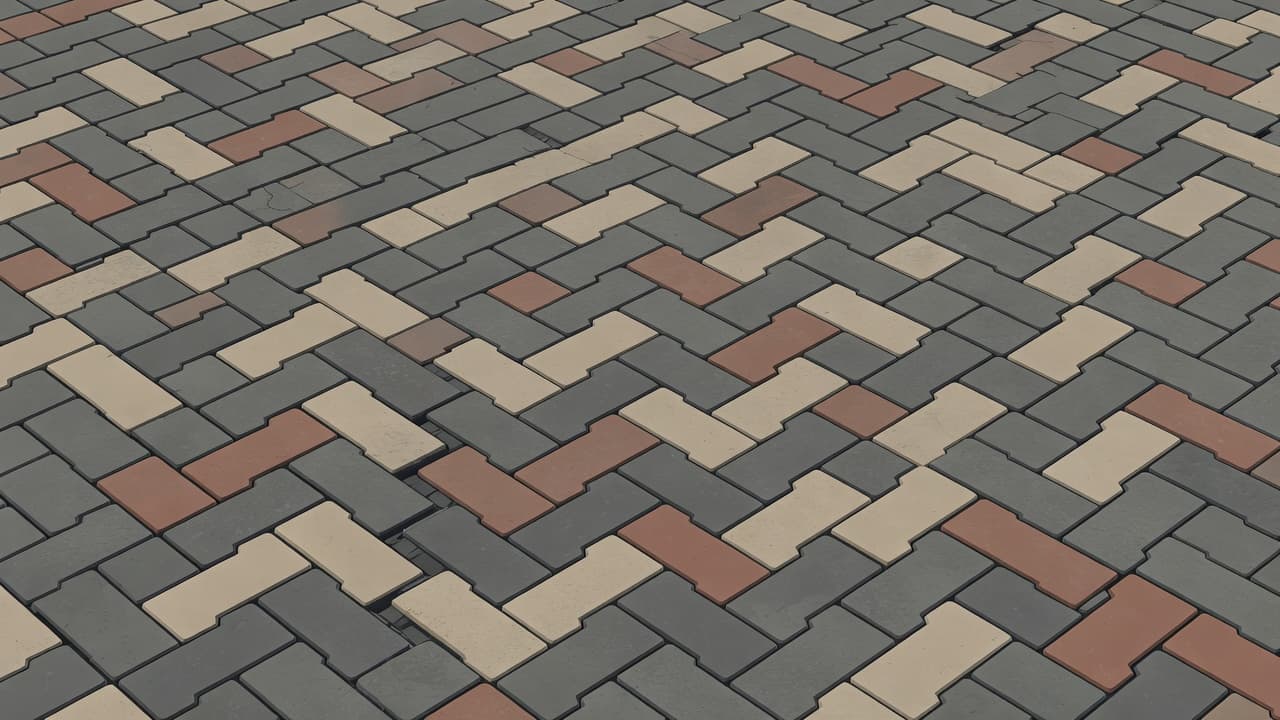
I like to compare it to a cobbled-together team versus a professional offensive line. One group is just standing near each other, while the other is actually working together. Pavers work together.
This collaborative structure also helps with long-term appearance. Because the surface is made of many units, it does not advertise every bit of stress the way a monolithic slab does. With concrete, one crack can draw your eye from across the yard. With pavers, the pattern keeps the surface looking orderly even after years of use.
When homeowners ask me why pavers feel so solid when you walk across them, this is the core of the answer. They feel reliable because they are built as a comprehensive system rather than poured as a gamble. Ultimately, this structural design is what provides such exceptional durability and longevity.
Repairs are simpler, and that saves a lot of headaches
This is where pavers pull away from concrete in a practical, homeowner kind of way. If one section settles, stains badly, or gets damaged, you usually do not have to tear out the whole area. Instead, replacing a damaged paver is a straightforward process where you lift the affected units, fix the problem underneath, and put the surface back together.
That sounds small until you live with a cracked slab. Then it sounds glorious.
Tree roots grow. Water lines need work. Soil settles. Life happens. With pavers, you often have a repair path that is cleaner and more targeted than demoing a large section and hoping the patch will not stand out forever.
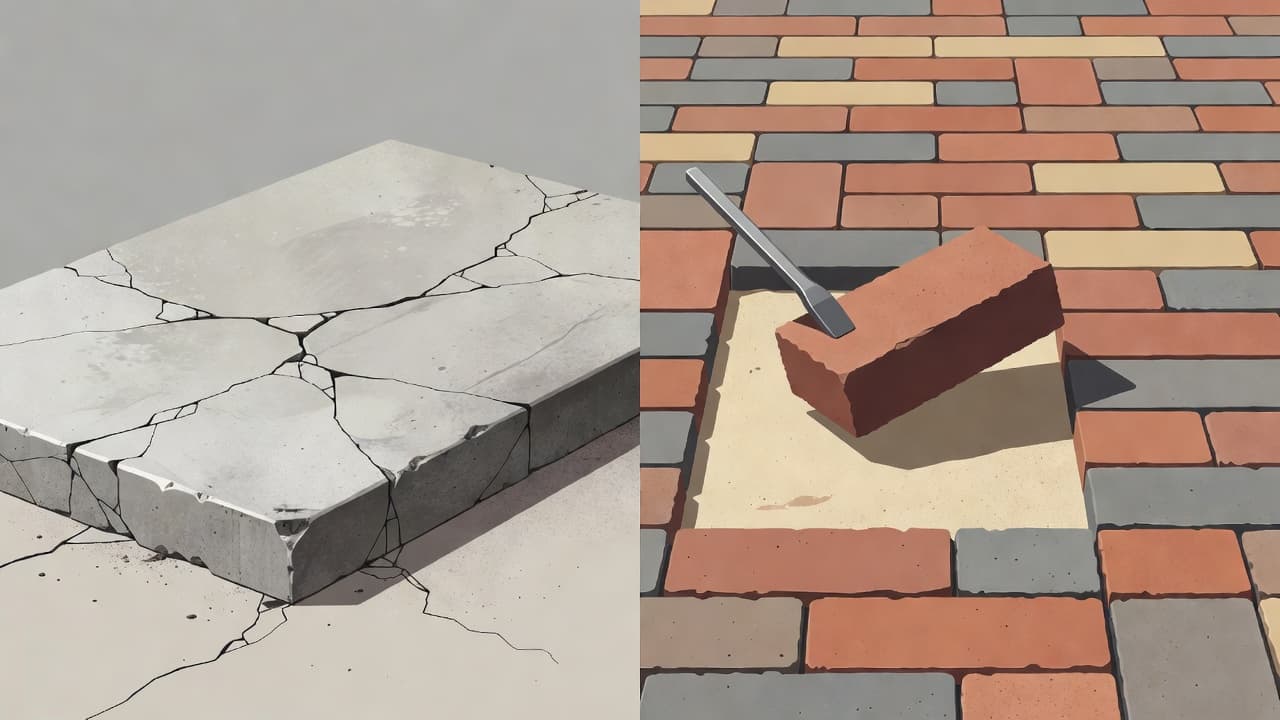
I have always liked how honest this material is. If a spot needs attention, you can usually get right to that spot. There is no giant scar, no weird patch color, and no long stretch of ignoring problems until they become major eyesores.
These materials are known for being low maintenance. While the initial installation cost might be a factor to consider, the long term savings provided by easy repairs add up quickly. Regular cleaning is generally sufficient for most hardscaping projects. In many cases, sealing helps protect the color and makes cleanup easier, especially in high use areas like pool decks and driveway pavers. If weeds show up in joints or joint sand needs refreshing, those are manageable issues, not the start of a total failure.
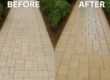
If your surface already has low spots, shifting pavers, or tired looking areas, it makes sense to deal with them before they spread. You can Get a Free Quote and see whether a repair, reset, or full restoration fits the condition of your space.
For me, this is one of the strongest benefits of pavers. Good design matters, but easy upkeep matters even more once the project becomes a part of your daily life.
Pavers make a home look more finished
Homeowners rarely choose pavers solely for their practicality. They invest in them because a beautiful hardscape changes the entire mood of a property. By boosting curb appeal, these upgrades provide a tangible increase in property value. Whether you are installing a paver patio or choosing driveway pavers, the right selection of paving stones significantly enhances your home value, often providing a high return on investment when it comes time for resale value.
A plain slab functions well enough, but a well-designed paver surface does the job while adding character. Through careful choices in pattern, color and texture, and border designs, your hardscape becomes an integral part of your home architecture rather than an afterthought.
That does not mean a project needs to be flashy to be effective. Some of the best hardscaping projects are subtle. A clean running bond path, a tidy soldier course border, or a warm-toned deck made of concrete pavers or natural stone can make a house feel finished without shouting for attention.
Here is the quick side-by-side view most homeowners care about when weighing their options:
| What you notice | Pavers | Poured or Stamped Concrete |
|---|---|---|
| Underfoot feel | Textured, grippy, and more forgiving | Smoother, often harsher underfoot |
| Repairs | Single units can be reset or replaced | Repairs usually leave visible, permanent patches |
| Appearance | Pattern, color, and border options | One broad slab with less character |
| Maintenance | Low maintenance and easy to refresh | Cracks and stains stand out fast |
| Financials | Adds lasting resale value | Lower initial installation cost |
The takeaway is simple. Pavers perform multiple roles at once. They hold up to heavy use, they clean up easily, and they frame an outdoor living space in a way that poured or stamped concrete rarely does. I have seen patios become true gathering spots after a quality install, not because the square footage changed, but because the space finally felt complete.
This is the detail people often miss. A better walkway gets walked on more, and a better patio encourages more time spent outside. A well-designed deck makes the entire backyard feel like a destination rather than leftover space.
Frequently Asked Questions
Are concrete pavers better than poured concrete for driveways?
Yes, concrete pavers are often a superior choice because their interlocking design handles weight distribution better and allows for slight movement without cracking. If a section of a paver driveway is damaged, it can be repaired by replacing only the affected stones, whereas a concrete slab would require a visible patch.
Do paver joints cause weeds to grow?
While weeds can occasionally appear in the joints of any outdoor surface, using high-quality polymeric sand during installation helps minimize this significantly. Regular, simple maintenance like sweeping or applying a sealant can keep your joints clean and prevent debris from taking root.
How do pavers hold up in areas with extreme weather?
Pavers are excellent for regions with freeze-thaw cycles because they are not a single rigid piece; they have the flexibility to shift slightly as the ground moves. This structural design prevents the large, permanent cracks that are common in monolithic concrete slabs during seasonal soil expansion and contraction.
Is it difficult to clean and maintain a paver patio?
Maintaining a paver surface is relatively low-effort and generally requires only regular sweeping or occasional rinsing with a hose. For deeper cleaning or to protect the color, a professional sealant can be applied, which also makes the surface more resistant to stains and easier to maintain long-term.
The surface tells the story
If a hardscape feels steady, looks sharp, and can be repaired without major drama, people notice. They may not know anything about base prep or joint sand, but they know the walk feels right.
That is why I keep coming back to pavers. The strongest paver benefits are not abstract. They are right under your feet, every time you cross your driveway pavers, head to the pool, or step out onto the paver patio. Whether you choose the timeless appeal of brick pavers, the versatility of concrete pavers, or the rugged beauty of natural stone, you are investing in a weather resistant surface that stands the test of time.
Ultimately, these paving stones elevate your outdoor living space by combining structural integrity with aesthetic charm. When you prioritize high-quality installation and material selection, you experience paver benefits that transform how you interact with your home every single day.