


A sealer is supposed to make pavers look richer, not chalky and washed out. When a patio or driveway dries with a milky film or a noticeable white haze, I know something went wrong during the application process.
The good news is that a cloudy paver sealer usually leaves clues. Once I know whether the issue is moisture, buildup, residue, or a bad product match, the fix gets a lot clearer.
Start with the finish itself, because the way that haze looks tells me a lot.
Key Takeaways
- Cloudy paver sealer typically results from trapped moisture, excessive product buildup, surface contaminants like efflorescence, or chemical incompatibility between sealer layers.
- Moisture trapped during the curing process—often from rain, dew, or damp joint sand—is the most common cause of a milky, “blushing” appearance.
- Avoid the common mistake of applying additional sealer to hide a haze, as this usually exacerbates the issue and complicates the eventual removal process.
- Successfully restoring a cloudy finish requires correctly identifying the root cause through testing and, in severe cases, using professional-grade strippers to remove the failed layer entirely.
What a cloudy finish is really telling you
When paver sealer turns cloudy after it dries, the haze is usually trapped within the sealer film. It might look like a white haze in bright sun, or it may take on a dull, milky appearance that hides the natural color of the stone. Sometimes the whole surface loses its luster, while other times, you might only see blotchy patches near the joints, low spots, or shaded areas.
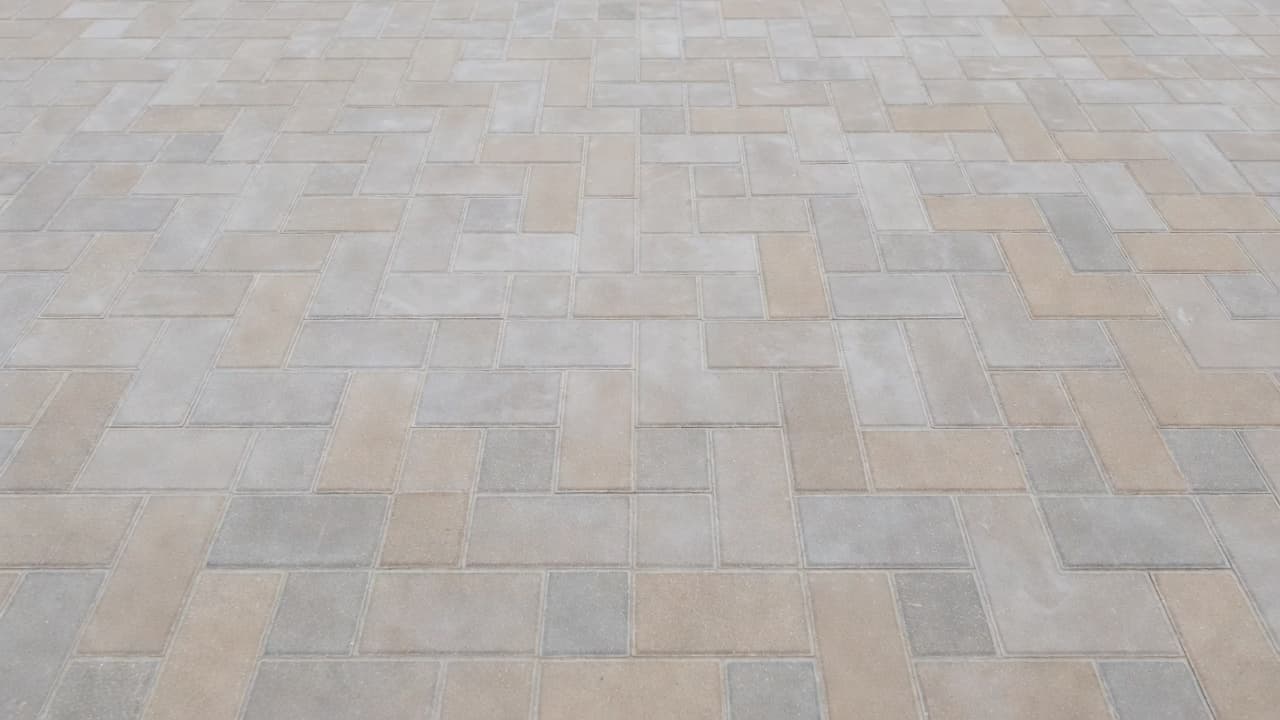
If the pavers looked fine before sealing, the issue rarely lies with the brick itself. Instead, this type of sealer failure usually stems from what got trapped under the coating or how the product reacted while it cured. Most often, the film has either grabbed trapped moisture, locked in surface dust, or dried in a layer that is far too thick for the substrate.
If the haze showed up after sealing, applying another coat usually will not fix it.
That distinction matters, because taking the wrong next step can turn a minor surface blemish into a full strip and reseal project.
The most common reasons paver sealer turns cloudy
Moisture got trapped under the sealer
Water is the most common culprit. Rain, sprinkler overspray, morning dew, and damp joint sand can all leave a milky finish behind. In humid climates, the surface may feel dry to the touch while the joints still hold onto trapped moisture. As the sealer cures, that water pushes against the film, resulting in a foggy look often referred to as blushing.
The sealer was applied too heavily
This is a frequent mistake. Many homeowners assume that more sealer equals better protection or a higher shine, but that is rarely the case. This over-application often causes the product to puddle instead of bonding evenly. When a thick film dries, it frequently turns hazy, sticky, or develops glossy, uneven patches. If I notice drip marks, roller lines, or shiny islands, I immediately suspect that the product was laid on too thick.
The surface wasn’t fully clean
Sealer locks in whatever is already on the pavers. Fine dust, leftover cleaner, pressure washing residue, or even a persistent polymeric sand haze can all cloud the finish. Efflorescence is another major factor. This white, chalky salt deposit naturally migrates to the surface of concrete. If you seal over these deposits without proper preparation, the white cast gets trapped and often looks even worse once the sealer dries.
The new sealer didn’t match the old one
Not every product works well over an existing coating. Problems often arise when a contractor fails to identify whether the previous layer is an acrylic sealer, a water-based sealer, or a solvent-based sealer. When these different chemical bases interact, they may fail to bond properly, causing the finish to dry unevenly, peel, or turn cloudy. This is precisely why I always verify the composition of the previous coating before I attempt to apply a fresh layer or fix the surface.
How I narrow down the cause before I touch the surface
I never guess when it comes to troubleshooting, because the wrong fix can make the haze significantly harder to remove. I start by gathering a few simple clues: where the cloudiness sits, whether it changes appearance when wet, and whether the finish feels tacky or smooth. Before I commit to a removal process, I always perform a test patch in an inconspicuous area to see how the sealer reacts to solvents or cleaners.
This quick comparison helps me sort out the likely cause:
| What I see | What it usually means | What I check first |
|---|---|---|
| White haze over the entire surface | Trapped moisture | Joint sand, humidity, and dry time |
| Glossy blotches or drip marks | Too much sealer applied | Pooled film on the surface |
| White haze looks stuck under the coating | Residue or efflorescence | Cleaning history and salt deposits |
| Patchy failure over an older sealed area | Product mismatch | What sealer was used previously |
If I wet a small cloudy area and it briefly clears, trapped moisture is almost certainly part of the problem. I also look at the dry time of the original application, as applying sealer too late in the afternoon or right before a rain event can lock in humidity. If the haze looks raised and plastic-like, the coat is likely too heavy. A white crust coming up through the pavers points me back to efflorescence, not the sealer alone.
More sealer will not hide a cloudy finish. In fact, it usually makes the surface appear even whiter.
That single mistake causes a lot of expensive do-overs for homeowners and contractors alike.
How I fix cloudy paver sealer without making it worse
The fix depends on the cause and how long the sealer has been on the surface. If moisture caused the haze and the job is fresh, extra drying time may help. I look for hot, dry weather, no sprinklers, and no foot traffic while the film settles.
A buildup problem is different. If the coat is too thick or uneven, I often perform a solvent reflow by carefully applying xylene to re-soften and level out the existing film. If the haze is too severe or trapped deep in the layers, the only reliable path is using a professional-grade sealer stripper for complete stripping and resealing.
When residue or efflorescence is trapped below the coating, professional cleaning is mandatory. Resealing over trapped debris only buries the problem. To prevent this from happening again, I always recommend applying thin coats rather than one heavy application. In some environments, switching to a breathable sealer or a high-quality urethane sealer can also provide better long-term durability and clarity.
If a large driveway, pool deck, or patio has turned milky, I avoid trial and error. It is easy to make a small cosmetic issue much worse. If you are struggling with a cloudy finish, you can Get a Free Quote to have a professional evaluate your project for expert paver restoration services before you apply another coat.
Frequently Asked Questions
Why does adding more sealer make the cloudiness look worse?
Applying more sealer over a cloudy surface simply adds another layer of trapped moisture or residue, which hides the natural texture even further. Instead of clearing the haze, the extra product creates a thicker film that seals in the problem, making the milky appearance more opaque and harder to strip later.
Can I fix a cloudy finish by just waiting longer?
If the cloudiness was caused by light surface moisture during the curing process, sometimes additional days of hot, dry weather can allow the trapped water to escape. However, if the haze is caused by excessive product buildup or chemical incompatibility, no amount of drying time will resolve the milky appearance.
How do I know if the cloudiness is caused by efflorescence?
Efflorescence appears as a white, chalky salt deposit that typically migrates from the concrete to the surface. If you see a white crust forming underneath the sealer or patches of hazy white material that look like mineral deposits, it is likely efflorescence that was not properly cleaned before the sealer was applied.
Is it safe to use xylene to fix a cloudy sealer?
Xylene can be used to re-soften and level out a sealer that has been applied too heavily, but it must be used with caution. If you are not experienced with chemical solvents, it is best to consult a professional, as improper use can permanently damage the paver surface or create an uneven, sticky mess.
Final thoughts
A cloudy paver sealer after drying is rarely a random occurrence. When I see this hazy finish, I can usually trace the issue back to trapped moisture, excessive product buildup, surface residue, or the application of an incompatible sealer.
The smart move is to stop, identify the specific cause, and address that issue before attempting any further treatments. Properly sealed pavers should look richer and cleaner, not milky or dull. If your project does not turn out as expected, take a moment to evaluate the surface conditions; remember that the sealer is simply telling you exactly where the application process went wrong. With the right troubleshooting steps, you can restore that professional look and protect your investment for years to come.