Saltwater pools are popular for a reason, but the pool deck surrounding them takes a beating that many homeowners do not notice right away. While the water is gentler on the skin of swimmers, it is not always as kind to your saltwater pool coping and the joints that keep the structure secure.
I see the same pattern repeat itself frequently. The coping begins to loosen, the joint sand erodes, the edges lose their finish, and the deck eventually reveals signs of distress through small cracks, gaps, or soft spots underfoot. If you catch these issues early, the necessary repairs remain manageable. If you wait, however, the costs can escalate quickly.
Key Takeaways
- Saltwater pool coping generally withstands salt exposure well, but it becomes vulnerable when saltwater corrosion exploits weak joints, open seams, and poor drainage.
- Joint sand acts as a vital structural component rather than simple filler.
- Aggressive pressure washing can strip away the sand that locks your pool deck together.
- Loose coping and recurring gaps typically indicate a deeper structural issue occurring below the surface.
- Small maintenance steps help prevent minor wear, but significant movement, rocking, or sinking requires professional repair.
Why Saltwater Changes the Rules Around a Pool Deck
Saltwater does not crawl out of the pool and attack the deck like a movie villain. Instead, it works in a slower, more persistent way. Because every salt chlorine generator relies on salt to sanitize your water, the concentration of minerals remains higher than in traditional systems. Through splash-out, wet feet, and evaporation, this pool water chemistry leaves behind salt residue that accumulates in seams, edges, and low spots.
That matters because a pool deck is not just stone sitting on stone. It depends on clean joints, solid bedding, and a stable edge at the coping. Once those joints begin to degrade, water enters more easily, the base material washes away, and the surface loses the structural lock that keeps individual pieces steady.
When evaluating materials for your modern pool design, I recommend viewing coping choices through the lens of long-term durability. You want a hardscape that stands up to the constant exposure to salt residue and moisture. If you want a basic reference point on material options, I like this guide to the best coping material for saltwater pools.
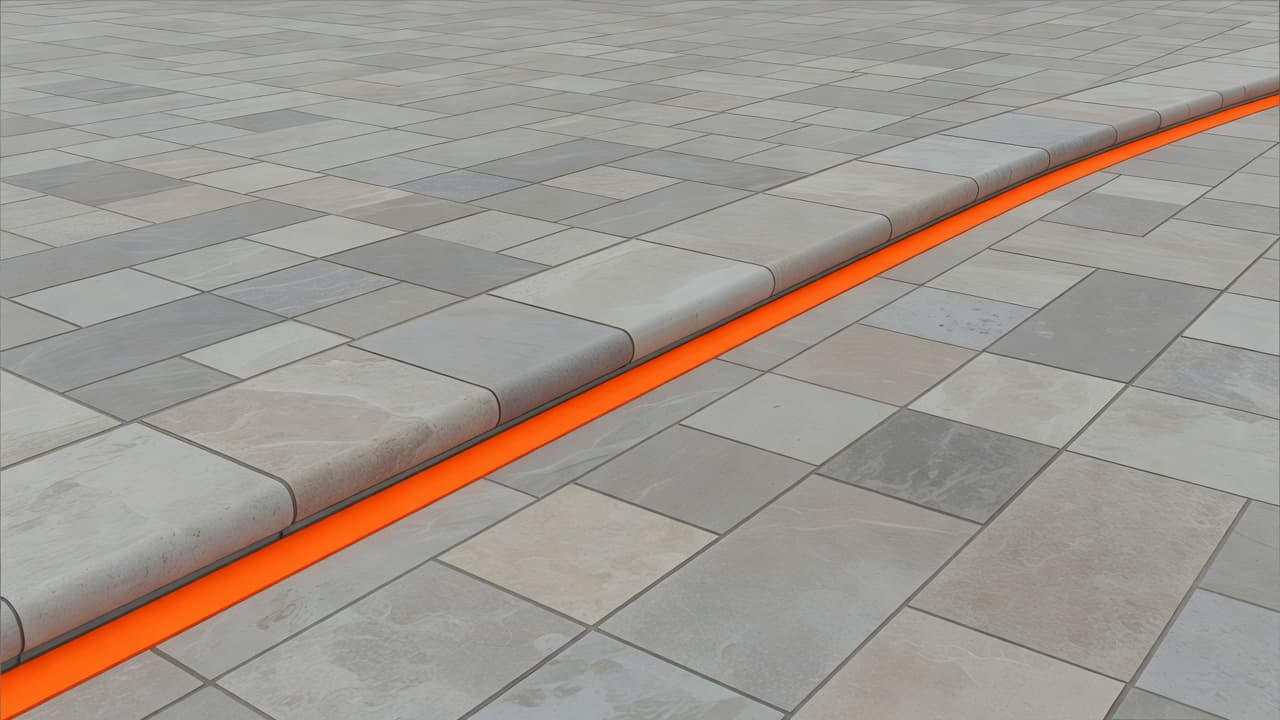
That little edge line matters more than most people think. When it fails, the whole deck begins to shift and loosen.
What Salt Does to Deck Joints
I treat the joint area like the spine of the deck. If the spine gets weak, the whole surface starts shifting around. Saltwater speeds up that process by keeping the joints damp, crusty, or washed out. When you have porous stone installed, water absorption becomes a major concern. These materials naturally soak up saltwater, holding moisture deep within the structure and accelerating sand loss even when the surface looks dry. Even if you chose a low maintenance setup, maintaining structural integrity in the joints is vital to prevent long-term damage.
The first thing I notice is usually sand loss. The joints look low, open, or uneven. Sometimes the top still looks decent, but the support below it is already fading. Once the sand drops, the pavers or coping pieces can move side to side, and that movement is what leads to chipped edges and larger gaps.
A clean deck with empty joints is not really clean. It is exposed.
Aggressive cleaning can make it worse. I have seen plenty of deck joints blown out by a harsh pressure wash, then the homeowner wonders why the pavers feel loose afterward. A soft wash, a fan tip, and a steady hand are safer than blasting one spot hard.
When I see recurring joint washout around a saltwater pool, I look for three things right away:
- water sitting in the same spot after rain or splashing
- low or missing joint sand
- movement when I step on the edge or corner
If those signs show up together, the joint problem is not just cosmetic. It is structural.
Coping Problems I Check First
Coping experiences significant stress at the pool perimeter. People step on it constantly, water runs over it, and pool chemicals splash across it daily. If the seam underneath begins to fail, the coping can rock, separate, or crack at the edge.
I start by checking whether the coping is moving or just stained. Those are not the same thing. A stain can be cleaned, but a rocking piece indicates that the foundation underneath has given way, which is where the real trouble starts. I also inspect the line where the coping meets the deck. If that seam keeps opening after a repair, the base or the drainage may be poorly designed.
Saltwater itself is rarely the only culprit. It usually teams up with one of these factors:
- poor drainage that keeps the edge wet
- a weak bedding layer under the coping
- settlement that pulls the seam apart
- cleaning habits that strip the joint material out
Different materials react to these stressors in unique ways. Natural stone coping, such as travertine coping, limestone coping, granite coping, and flagstone coping, often experiences surface staining or rocking if the bedding layer is compromised. In contrast, modern options like porcelain coping and precast concrete coping may be less prone to staining, yet they require specific bedding techniques to ensure they do not crack or shift when the underlying structure experiences settlement.
If the coping has a clean face but a loose feel, I do not dismiss it. That loose feel is a warning sign. A deck should feel solid every time you cross it, especially around a pool where people are barefoot and moving fast.
Cleaning and Maintenance That Actually Help
I get asked all the time if regular cleaning is enough. My answer is yes, but only if the cleaning is gentle and smart. For normal dirt and dull buildup, soap and water still go a long way. A stiff broom helps too. The goal is to clean the surface without wrecking the joints, as your maintenance routine is the first line of defense for protecting your investment against salt corrosion.
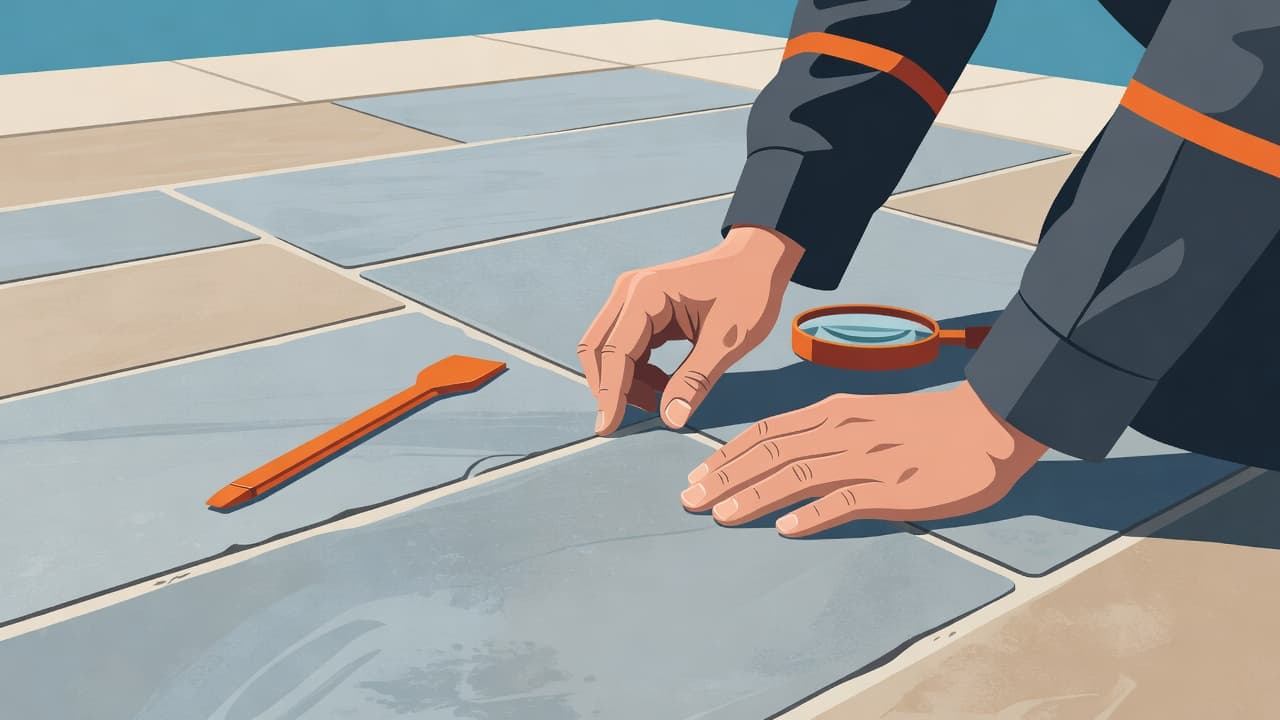
When I do maintenance on a deck like this, I stay away from the habits that create more damage than they fix:
- I do not use a zero-degree nozzle on pavers or coping.
- I do not blast one spot hard and hope for the best.
- I do not leave open joints empty after cleaning.
- I do not ignore low spots where water keeps sitting.
If the sand between the pavers has dropped out, I re-fill it. In a lot of cases, polymeric sand is the better choice because it helps lock the joints and slows weed growth and debris intrusion. This is especially critical when working around bullnose coping, where the rounded edge requires precise sand application to maintain structural integrity. If the joints are already open, that is not the time to get lazy. That is the time to rebuild the lock before the deck starts moving.
I also pay attention to the surface finish. Sealing natural stone is a vital step in preventing salt from penetrating the material. When selecting a product, I recommend using a high-quality penetrating sealer. Unlike film-forming coatings, a penetrating sealer blocks salt while preserving the natural slip resistance of your deck. Always ensure your chosen sealer maintains the textured finish of the stone, as safety is just as important as aesthetics. I see people chase the look and skip the structure, but focusing on these protective steps ensures the trouble does not come back.
When the Damage Is Bigger Than Maintenance
Some decks only need re-sanding and a careful cleanup. Others require a deeper reset. I can usually tell the difference pretty fast once I walk the area.
| What I see | What it usually means | What I do |
|---|---|---|
| Open joints in one section | Sand loss or washout | Re-fill and check why the sand left |
| Coping that rocks when stepped on | Weak bond or base movement | Lift, inspect, and reset the edge |
| Repeated low spots near the pool | Settlement or drainage issue | Look below the surface, not just at the top |
| Sand keeps washing out again | Water flow or poor joint protection | Fix the source before sealing or re-sanding |
If I see repeated movement, I do not pretend a surface patch will hold forever. The pool deck may need the pavers or coping removed, the base rebuilt, and the area compacted the right way before it goes back together. That is the part most homeowners never see, but it is the part that decides whether the repair lasts.
I also keep an eye on the surrounding drainage and the pool system itself. If your salt cell is under-maintained, it can lead to erratic salt levels that speed up surface decay. Similarly, if water keeps dumping onto the same seam, the deck will keep failing there. A small slope correction, a better runoff path, or a changed discharge point can make a huge difference. Without those steps, the same joint is going to fail again.
If your coping is loose, your joints keep opening, or the deck feels soft in one spot, Get a Free Quote and I will check the area before the next round of water works on it again. Once we resolve the structural issues, we can finish with sealing natural stone to ensure your investment stays protected against the elements. Investing in sealing natural stone properly is the best way to prevent future moisture damage.
Frequently Asked Questions
How often should I re-sand the joints around my saltwater pool?
If you notice the sand level dropping or gaps forming between your pavers, you should replenish the joint material immediately to prevent structural shifting. While there is no set calendar date, you should perform a visual inspection every few months to ensure the sand is still locking the pieces together tightly.
Can I use a pressure washer to clean my saltwater pool deck?
Yes, but you must be extremely careful to avoid blasting the joint material out from between your pavers or stone. Use a low-pressure setting with a wide fan tip, and avoid aiming the water stream directly into the seams to protect the underlying stability of the deck.
Why does my pool coping rock when I step on it?
A rocking coping piece is usually a sign that the bedding layer underneath has failed or that the underlying base is settling unevenly. This is a structural concern that requires lifting the piece, inspecting the base, and resetting the area to prevent further damage to the surrounding deck.
Is sealing my pool deck necessary for saltwater protection?
Sealing your natural stone with a high-quality penetrating sealer is a vital step in blocking salt and moisture from soaking into the material. This protective barrier helps prevent long-term decay while keeping the natural look and slip resistance of your stone intact.
Conclusion
Saltwater pools offer a fantastic swimming experience, but the surrounding pool deck requires more focused attention than many owners realize. The combination of salt, frequent splash-out, and the constant wet and dry cycles takes a toll on the joints first. If left ignored, this wear eventually impacts the coping and the integrity of the base.
I always provide the same advice to homeowners. If the joints are properly sealed and the coping remains solid, your pool deck has a much better chance of staying stable and intact. However, if the joint sand is missing and the edges begin to shift, a simple surface touch-up will not be enough to fix the damage. By catching these issues early, you ensure that your saltwater pool coping remains both attractive and durable for years to come.