


I hear this complaint every summer in Southwest Florida. The pool deck looks pristine in the morning, but by the afternoon, the pavers feel like they could burn your feet. This intense heat is rarely caused by one single factor. It is a combination of direct sunlight, the color of the material, the surface finish, and how much shade the area receives throughout the day.
When you are dealing with hot pool deck pavers, the issue often comes down to the thermal mass of the materials used. Many homeowners find that their pool deck pavers trap heat more aggressively than traditional poured concrete, making the surface uncomfortable for bare feet. If these hot surfaces make your outdoor space difficult to enjoy, the root cause is usually easier to identify than people think. I always start with the same questions: what is heating the deck up so fast, and which specific properties of the surface are making the temperature worse?
Key Takeaways
- Darker pavers absorb and retain significantly more solar energy than lighter-colored pavers, which stay much cooler under the summer sun.
- Full sun exposure, a lack of shade, and heat reflected off the water surface all contribute to a pool deck that is uncomfortable for bare feet.
- While routine cleaning removes surface grime, it does not prevent pavers from heating up under direct sunlight.
- High-quality sealing products can improve UV resistance, which helps protect your deck from fading while maintaining the integrity of the material against heat.
- Pressure washing must be performed with caution to avoid damaging the sand joints or shifting the foundation.
- If your deck feels loose or uneven, I always inspect the underlying base before discussing potential solutions for heat or surface comfort.
Why Pool Deck Pavers Get Hot Fast
Pool deck pavers are exceptionally durable, which is a primary reason homeowners choose them for outdoor spaces. However, high durability does not always equate to a cool touch. When the sun beats down on your patio all day, the material absorbs solar energy, leading to high heat retention that persists long after the sun goes down.
The material and color you choose play a significant role in how your deck performs during the summer. Darker concrete pavers in shades like charcoal or deep red tend to pull in more heat than lighter options. In contrast, natural stone—specifically options like travertine pavers—often remains much cooler underfoot because of its physical properties and typically lighter color palette. On a sunny July afternoon, the difference in surface temperature between a light stone and a dark concrete paver is easy to feel with bare feet.
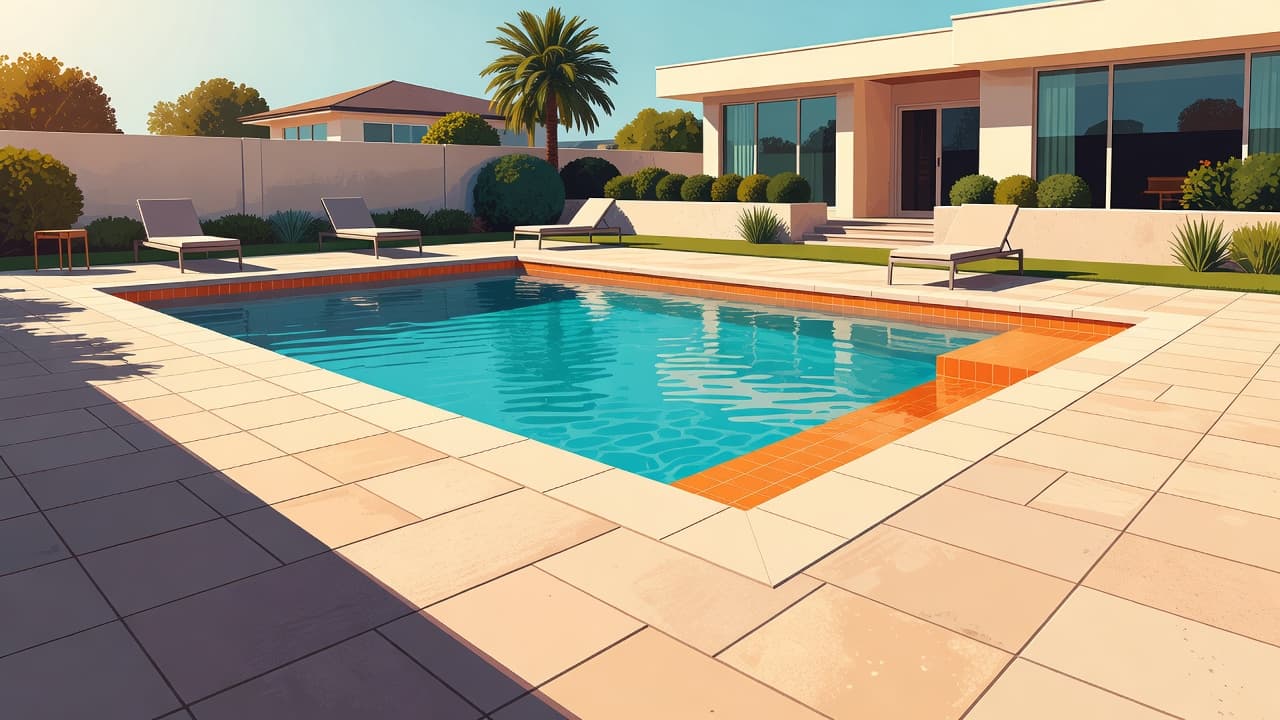
Pool areas are particularly prone to these issues because there is no roof overhead. The sun hits the deck directly, and the reflective surface of the water can bounce additional light and warmth back onto the surrounding area. That is why a beautiful pool deck can feel surprisingly intense by midafternoon.
What I Look At First When a Deck Runs Hot
When someone calls me about pool deck pavers that get too hot, I do not guess. I look at the full setup to see exactly what is driving the heat.
| What I check | What it tells me |
|---|---|
| Paver color | Darker tones usually hold more heat. |
| Sun exposure | Open decks stay hotter for longer stretches. |
| Shade nearby | Trees, lanais, and awnings can soften the heat. |
| Sealer type | Heavy or glossy coatings can change the feel of the surface. |
| Deck condition | Loose pavers, poor maintenance, and buildup make the area harder to enjoy. |
| Base preparation | An unstable foundation can lead to uneven surfaces and heat pockets. |
| Drainage planning | Proper flow prevents water buildup, which affects both comfort and longevity. |
A deck can be hot and still be perfectly fine. But if I also see sinking pavers, open joints, or weak spots, I know the problem is bigger than just the summer sun. In that case, I want to inspect the whole section before anyone spends money on the wrong repair. The total installation cost of a fix often depends on whether the underlying base is stable and ready to support a new surface.
If you want me to take a look, Get a Free Quote and I will check the deck, the joints, and the base before I recommend a fix.
Can Cleaning or Sealing Make Pavers Cooler?
Cleaning helps, but it does not change the sun. I still perform regular maintenance on pool deck pavers because dirt, algae, dust, and old buildup make the surface harder to care for and less pleasant to walk on. A clean deck simply looks better and stays easier to manage over time.
Pressure washing can help when pavers have a thick crust of dirt or stains, but it has to be done the right way. Too much pressure can chip the surface and blow the joint sand out of the cracks. I keep the pressure moderate, use a fan tip, and move steadily so the pavers are not damaged.
A clean deck helps, but shade and color do most of the work.
After washing, the joints usually need to be refilled. Replacing the lost material keeps the pavers locked together and helps the whole area stay stable. I like using polymeric sand for many jobs because it holds up well and prevents weed growth when it is installed correctly.
Sealing pavers is a different process. A good sealer protects the surface from stains, weather, and wear, but it is not a cooling system. If the deck is already dark and sits in full sun, sealer will not change the temperature. I treat sealing pavers as a vital part of long-term maintenance, not as a quick fix for heat.
Smart Ways I Help Homeowners Deal With Hot Deck Surfaces
When a deck is due for repair or replacement, I pay close attention to material selection. While traditional concrete pavers are a common choice, they often absorb significant heat. To keep your outdoor space comfortable, I recommend opting for lighter-colored pavers, as these reflect sunlight rather than soaking it up. For those looking to upgrade, travertine pavers, limestone pavers, or porcelain pavers are excellent alternatives that stay much cooler under the summer sun.
If you prefer a modern aesthetic, large format pavers can provide a clean look, but ensure you select a textured surface to maintain proper slip resistance for safety around the water. Regardless of the material you choose, don’t forget to coordinate your pool coping for a cohesive, professional finish.
Shade also plays a vital role. A well-placed umbrella, pergola, or covered sitting area can transform how the entire space feels. Even a small shaded corner gives guests a place to stand or sit without having to worry about hot stone underfoot.
I also look closely at drainage and settling. If the deck holds water after rain, or if pavers are sinking, the surface can deteriorate faster. While this does not always increase heat, it does make the deck difficult to maintain.
Here is the practical advice I give homeowners to keep their pool decks comfortable:
- Choose lighter-colored pavers when you are replacing or expanding your deck.
- Consider cooler material options like travertine, limestone, or porcelain pavers.
- Add shade structures in areas where people frequently walk and sit.
- Ensure large format pavers have a textured surface for improved slip resistance.
- Match your pool coping to your new pavers for a polished, finished look.
- Keep joints properly filled and the surface cleaned.
- Fix sinking or loose areas before the problem spreads.
Frequently Asked Questions
Does painting or staining my existing pavers help them stay cooler?
I generally advise against painting pavers to lower their temperature, as these coatings often trap heat or peel under the intense Florida sun. While a lighter color paint might reflect some light, the layer often becomes slippery and requires constant reapplication, making it a maintenance burden rather than a long-term solution.
Can I just pour water on the deck to cool it down?
Spraying your deck with water will provide immediate, temporary relief from the heat. However, because pavers have thermal mass, the surface will start heating up again as soon as the water evaporates, and constant saturation can sometimes contribute to algae growth or moisture issues in the sand joints.
Will installing a new sealer make my pavers hot?
Most high-quality sealers are designed for protection rather than temperature control, and a glossy finish can occasionally make the surface feel slightly warmer due to the way it interacts with light. If heat is your primary concern, focus on choosing materials with high solar reflectance rather than relying on a sealer to change the temperature.
Is it normal for some pavers to feel hotter than others in the same area?
Yes, it is quite common to find temperature variations across a single deck if there are mixed materials, different levels of wear, or varying amounts of shade. If some areas feel significantly hotter, it usually points to differences in surface texture, underlying moisture pockets, or the specific composition of the paver material in that section.
Conclusion
Hot pool deck pavers are usually not a mystery. They are simply telling you that the deck receives too much direct sunlight, retains thermal energy for too long, or requires better layout planning. When assessing your space, I always look at color, shade, sealer, and the overall condition of the surface before recommending a solution.
Achieving a cool deck feel is entirely possible when you choose the right interlocking pavers and optimize your patio layout for better heat dissipation. If your pool area is uncomfortable during the peak of summer, the best fix might be a professional cleaning, a fresh application of sealer, or replacing worn sections with heat-resistant materials. Consistent maintenance is the final step in ensuring your deck remains comfortable and durable for years to come. I keep these answers practical because that is what truly works to manage hot pool deck pavers in the intense summer heat.