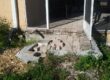



Those little piles of sand between bricks do not show up by accident. When I see ant hills between pavers on a paver patio, I do not only think about bugs. I think about loose joints, trapped moisture, and tiny gaps that turned a patio into easy housing.
If you are brushing the same mounds away every week, the pavement ants are telling you something about the surface under your feet. Once I know why they are there, the fix gets a lot less frustrating.
Key Takeaways
- Ant hills between pavers are a symptom of structural weaknesses like washed-out joint sand, hollow voids, or shifting pavers rather than just a pest issue.
- Pavement ants are opportunistic and utilize pre-existing gaps, moisture, and warm temperatures to build nests beneath your patio.
- Simply sweeping away mounds is ineffective; you must address the underlying voids by cleaning and refilling joints with fresh material, such as polymeric sand.
- Persistent ant activity, especially when paired with rocking or sinking pavers, may indicate a failing base or edge restraint that requires professional repair.
- Effective long-term control combines targeted baiting to eliminate the colony with sealing the joints to prevent future entry.
Why ants pick paver joints in the first place
Pavement ants aren’t picky; they are opportunists. A paver surface provides them with protected paver joints, dry shelter, and loose sand they can move grain by grain. When I spot ant hills between pavers, I usually know the colony didn’t create the whole problem. It found a structural weakness that was already there.
Most paver systems have joint sand on top and a bedding layer underneath. If the sand in the cracks has thinned out, washed away, or never locked up properly, the joints become small, inviting tunnels. A pest article from The Bug Doctor makes the same point, noting that ants love tiny seams and protected gaps in outdoor stone work.
Straight, repeating joints act like a street grid. Once ants find one route, they can keep reusing it. I also see more tunneling activity where pavers meet a curb, a planter, or the edge of a pool deck. Those transitions often hide little voids, and little voids are all these insects need to establish a network. Worker ants perform this excavation tirelessly, moving grains of sand to expand their living quarters.
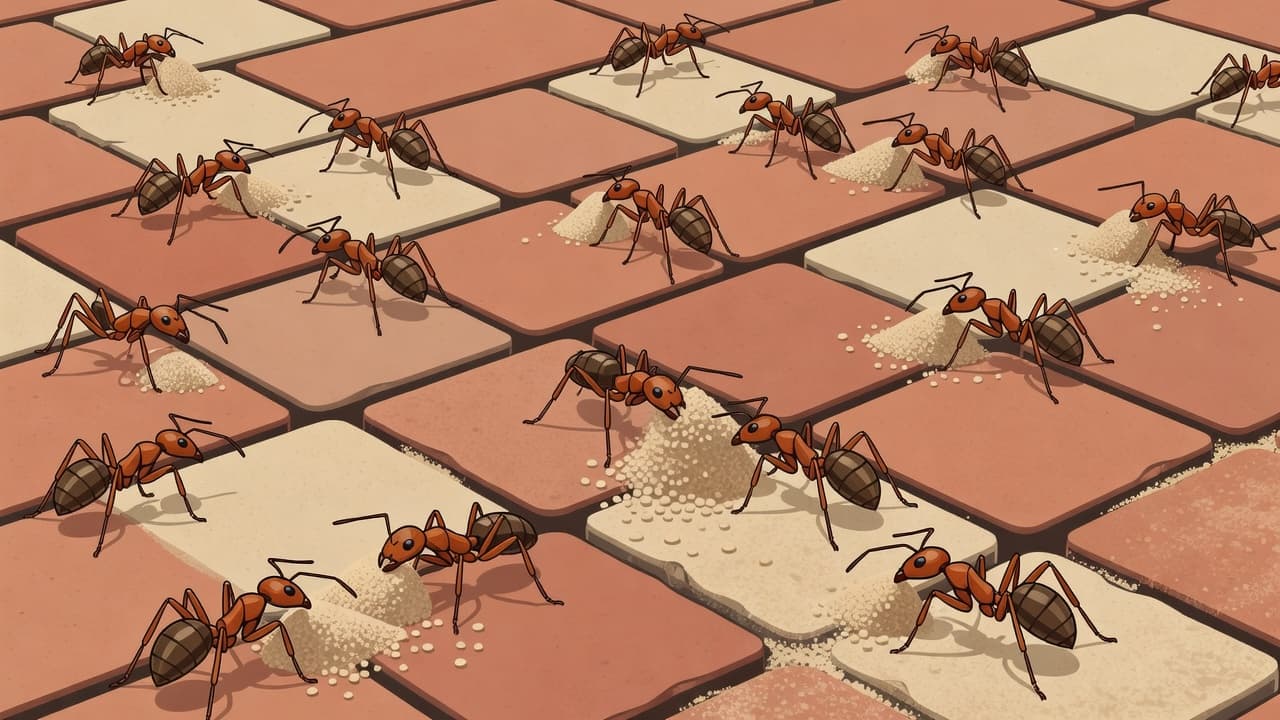
Small ant hills between pavers usually mean the joint has become easy to tunnel through.
Warm surfaces help too. Pavers hold heat, especially in sunny yards. That steady warmth speeds up ant activity, while the joint line gives them cover from wind, feet, and hose spray. Some ants barely leave a trace. Others push out enough sand to make the little mounds you notice first.
I see this a lot after joint sand breaks down over time. Once the surface crust is gone, ants do not have to do much heavy lifting. They are moving into ready-made seams. So, the hill itself is often excavated sand rather than a random pile of dirt. Think of it like sawdust under a workbench; the mess on top tells you exactly what is happening below.
What makes the hills show up faster
A few patio conditions make the problem worse. If I keep brushing away fresh piles in the same areas, I look for water, open joints, and movement first.
These are the triggers I see most often:
| Patio condition | Why it increases ant activity |
|---|---|
| Worn or missing joint sand | It gives them easy entry and less resistance |
| Moisture below with a dry surface | It creates a comfortable nesting zone |
| Settling or shifting pavers | It opens hidden spaces under the surface |
| Debris in the joints | It adds food crumbs and cover |
The pattern matters. Ant mounds or dirt mounds along one edge may point to a failing edge restraint. Mounds around a downspout or low spot often mean water is washing joint sand away. If they cluster near planters or along a driveway, roots and mulch may be feeding the traffic.
Rain plays a weird role. It can collapse part of a tunnel, then ants bring more material up as they reopen it, causing noticeable sand displacement. Dry weather can do the opposite, leaving the joint loose and easy to excavate. In Southwest Florida, pavement ants respond to this cycle of rain and sun, which can happen fast because the conditions trade off all season.
Pressure washing can play a part too. If old sand gets blasted out and the joints stay half-empty, the patio looks clean but the gaps are wide open. Ants notice those changes faster than most homeowners do. Food matters as well. A grill area with dropped syrup, grease, or pet food nearby can keep foraging lines active.
If ant hills keep showing up in one strip of pavers, I don’t call it a pest quirk. I call it a clue.
How to stop the problem and get rid of ants for good
Sweeping the mounds away only fixes the symptom. If the joints are open, ants will rebuild by tomorrow or next week. That is why ant hills between pavers can feel endless, even when you keep cleaning.
I start by focusing on the surface itself. Clean the joints thoroughly and check the integrity of your joint fill. If your patio uses polymeric sand and it has broken down, replacing it can make tunneling significantly harder for the colony. I also look for drainage issues, loose edges, and low spots that hold water. These problems invite ants and wear down the pavers at the same time. In some cases, persistent issues with shifting indicate a need for an open graded base to ensure proper water management.
For active infestations, effective baiting is often more successful than simple surface sprays. Using a liquid ant bait allows the colony to carry the treatment back to the queen, while applying ant dust or Talstar granules directly into the joints provides a longer-lasting barrier. You can see the trial-and-error side of that in this HomeImprovement discussion, where people talk through what helped and what did not. I treat pest control as one part of the answer, not the entire solution.
Applying a fresh sealer on top will not fix hollow spots below. If the base has started to shift, the ants are only the first thing you notice. When pavers rock underfoot, the joints keep emptying out, or the same strip settles after every rainy stretch, the surface may need professional repair rather than another round of treatment. That is when it makes sense to Get a Free Quote and find out whether the base, sand, or edge restraint needs professional attention.
Kill the ants if you need to, but remember to close the invitation too.
Frequently Asked Questions
Why do ant hills keep coming back in the same spot even after I sweep them away?
Ant hills return because the underlying cause—usually an open or empty joint—has not been sealed. The ants are living in a network of tunnels beneath your pavers, and until you refill those gaps with sand and eliminate the nesting site, the colony will continue to push material out of the same openings.
Is it enough to just use a standard insecticide spray on the joints?
Surface sprays typically only kill the ants you see on top, which does little to affect the queen and colony living deep underground. Baiting is much more effective because the worker ants carry the toxin back into the nest, providing a more permanent solution to the infestation.
How can I tell if my paver issue is just ants or a larger structural problem?
If your pavers are firm and level, the ants are likely just taking advantage of thin joint sand. However, if you notice the stones rocking, sinking, or shifting when you walk on them, it indicates a failure in the base or edge restraints that needs professional intervention beyond simple pest control.
The little mound is the clue
Those tiny hills are not random. They are usually a clear sign of loose joints, washed out sand, moisture, or shifting movement below the surface.
When I see ant hills between pavers, I read them the same way I read a stain on a ceiling. The mess itself is not the whole story. The same spot keeps sprouting the same little volcano because the gap is still open and inviting. If you consistently find ant hills between pavers in the same location, it is a sign that the environment is perfect for intruders.
Brush the mounds away for a quick cleanup, but understand that the issue often goes deeper than the surface. To truly stop the problem, you must address the established ant colonies living beneath the stones and seal the opening that made your patio such an easy place for them to move into.