


Pool equipment can make an issue with your interlocking pavers look smaller than it really is. A few shifted stones near the pump, filter, or heater may point to vibration, water movement, a weak base, or a drainage issue below the surface.
When I inspect pool paver shifting, I look far beyond the stones that have moved. While a concrete pool deck is a common alternative, managing pool paver shifting near heavy equipment requires a specialized inspection of the subsurface, including the equipment pad, plumbing, joints, surrounding deck, soil, and water flow, to ensure the repair has a better chance of lasting.
Key Takeaways
- I check the equipment pad, paver edges, plumbing, and nearby pool structures before recommending a repair.
- Pump vibration, leaking connections, poor drainage, and soil settlement can all move pavers.
- Joint sand loss and weak edge restraint allow small gaps to spread.
- Resetting pavers works for some areas, but repeated movement may require base or drainage corrections.
- Pressure washing should wait until the surface is stable and the joints are protected.
What Causes Pool Paver Shifting Near Pool Equipment?
Pool equipment is heavy, and it creates activity in one concentrated area. The pump runs, water moves through the plumbing, filters are cleaned, and valves or connections may be serviced. None of these automatically cause paver damage, but they can reveal a weak area that was already developing.
The first thing I check is whether the equipment is sitting on its own stable pad or bearing against the pavers. If the concrete pad has settled, cracked, or moved, the pavers beside it may shift as the two surfaces respond differently. This often stems from poor grading during the initial installation. A paver deck can move slightly while the equipment pad stays in place, or the pad can settle while the surrounding pavers remain higher. This can occur regardless of whether you have a fiberglass pool or a traditional concrete build.
Water is another major cause. A leaking return line, loose fitting, damaged hose, or discharge area can wash soil away below the pavers. Even a small amount of water moving under the surface can lead to subsoil erosion, which creates a hollow spot. When a paver loses support, it may rock underfoot, sink on one side, or separate from the surrounding pattern.
A helpful overview of common paver-shifting causes also points to trapped water, poor grading, and base problems as common reasons pavers move. Around a pool, those conditions deserve extra attention because water is already part of the daily environment.
I also ask what changed before the movement started. Was new equipment installed? Was a pipe repaired? Did a storm bring heavy rain? Did someone pressure wash the area? These details can help me identify whether the pavers moved because of the equipment itself or because the ground below was disturbed.
I Inspect the Equipment Pad and Paver Edges
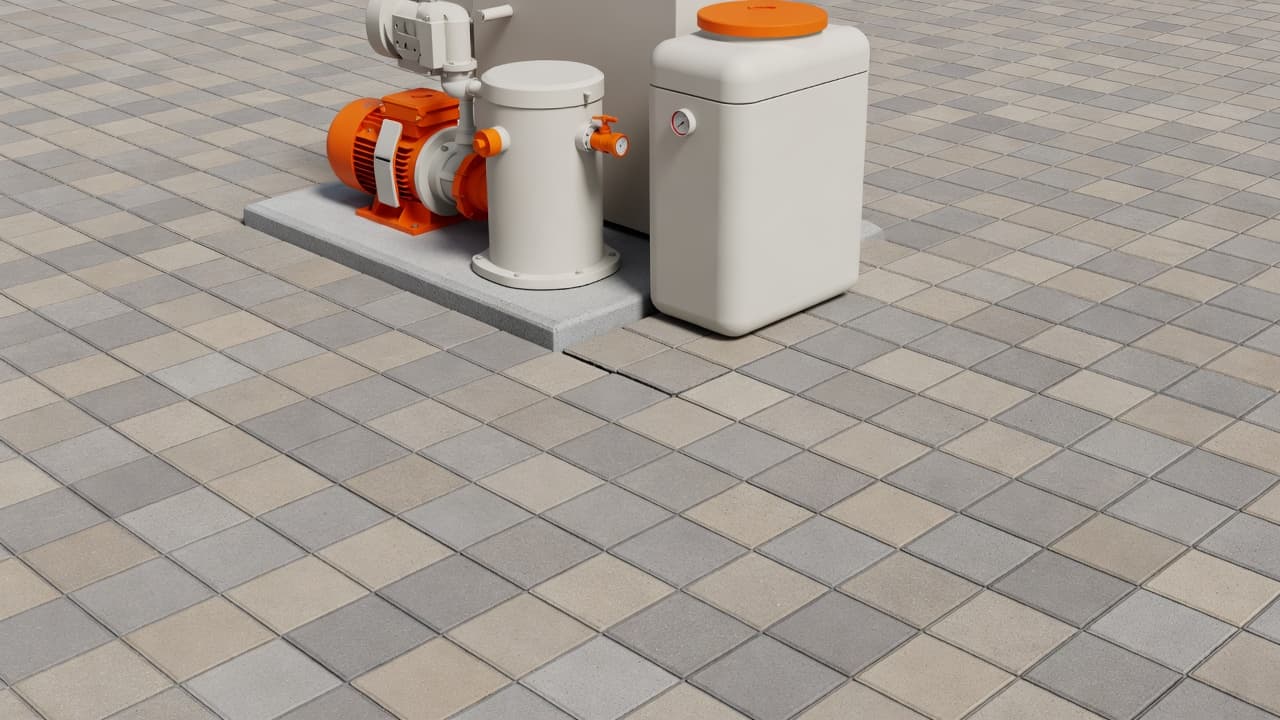
I start close to the equipment because this is where the movement usually gets noticed first. I look for cracked concrete, a low corner, water stains, open joints, and pavers touching the pad where they should have a clean separation.
The edge between the pad and pavers matters. Pavers need room to function as an interlocking surface. If the equipment pad presses against them, or if the edge restraints are missing, the pavers can spread outward over time. A small opening may appear beside the pad, then the surrounding stones begin to rock and shift.
I check whether the equipment pad itself is level. I do not need to see a major crack to find a problem. A slight settlement can change how water drains and can place pressure on the closest pavers. Because the equipment pad often relies on stable backfill material that may have shifted over time, resetting the pavers alone may not correct the root cause of the movement. I also examine the nearby pool coping to ensure that settlement has not compromised the connection between the deck and the pool structure.
The equipment also needs a clear service area. I look at whether a technician can reach the pump, filter, heater, valves, and unions without standing on wobbly pavers. A loose surface near electrical connections or wet equipment is not something I want to ignore. If the repair requires moving plumbing, wiring, or pool equipment, I recommend involving the proper pool professional before paver work begins.
I inspect the paver pattern as well. A straight border that begins to bow, a joint that widens near the equipment, or several pavers sitting at different heights tells me the movement is larger than one damaged piece. A single cracked paver may be easy to replace. A spreading pattern usually points to support or edge pressure.
Homeowners often share pictures and questions in discussions about pavers shifting around a pool. Pictures can help start the conversation, but I still need to inspect the surface in person because a photograph cannot show a hollow base or hidden water path.
Water and Drainage Tell Me Where the Problem Started
When I see pavers shifting near pool equipment, I evaluate the site to ensure proper drainage before I recommend a repair. I check where rainwater travels, where backwash or filter discharge goes, and whether water collects beside the equipment pad after cleaning or heavy weather.
Pool decks should not hold standing water against equipment bases, walls, screen enclosure footings, or the house. Water that sits in one place can move joint sand, soften the supporting soil, and create space beneath the pavers. In Southwest Florida, heavy rain can expose drainage problems quickly, especially where soil has settled around a repair or addition. Additionally, hydrostatic pressure from rising water tables can push moisture upward, further contributing to shifting pavers and deck instability.
I look for these signs:
- Damp soil or darkened joints near the equipment
- Sand washed out along one side of the pad
- Water marks on the edge of the deck
- A low spot that stays wet after the rest of the surface dries
- Downspouts, hoses, or discharge lines sending water toward the pavers
- Gaps that are wider on the downhill side of the equipment
- Weed growth in the gaps, which often indicates trapped moisture and organic material buildup
I don’t blame the pool pump for every problem. Sometimes the pump area is only where the water becomes visible. A buried leak may be traveling beneath the deck and washing away the backfill material used around utility lines, causing damage several feet from the original source.
The surrounding structures matter too. If the equipment is close to a screen enclosure, retaining edge, pool coping, or patio extension, I check those areas for separate settlement. A footing and a paver base can move at different rates. A related discussion about movement around pool structures is a good reminder that the surface problem may connect to a larger area.
I also check whether the deck slopes toward the pool equipment instead of away from it. Correcting the slope may require lifting and resetting a section, not adding loose sand on top. Sand can fill a joint, but it cannot stop water that is entering from below.
I Check the Base, Joint Sand, and Surrounding Surface
After checking water, I inspect the condition of the paver base. I look for rocking stones, uneven heights, open joints, low sections, and places where the pavers sound hollow when tapped. These details tell me how much of the surface has lost support.
The sub base construction is what carries the load beneath the pavers. If the foundation was not installed using properly compacted gravel, or if water removed part of the underlying material, the stones can settle under foot traffic and equipment service activity. Adding sand under one loose paver may make it feel better for a short time, but it does not rebuild a weak or washed-out base.
I remove enough pavers to see what is happening below when the surface calls for it. Then I correct the low area, improve the base preparation where needed, compact it properly, and focus on leveling pavers to match the existing pattern. I pay close attention to elevation near the equipment pad because a raised paver can interfere with service access or redirect water toward the equipment.
Joint sand is another part of the inspection. While Florida does not face the same freeze-thaw cycles as other regions, our heavy rainfall acts as a similar stressor that leads to joint sand loss. When sand disappears, the pavers lose some of the friction that helps hold the surface together, and empty joints allow water and debris to enter, which also encourages weed growth. I replace lost sand after the pavers are stable, using polymeric sand to lock the stones in place and create a durable, weather-resistant barrier.
Pressure washing needs care here. A strong nozzle can chip paver edges and remove sand from the joints. If the surface is already loose, aggressive cleaning can create more movement. I prefer to repair the structure first, clean the area with controlled pressure, and seal only after the pavers are clean, dry, and properly aligned.
When I Reset Pavers, and When I Recommend More Work
Not every area with pool paver shifting needs a complete rebuild. If the base is solid, the drainage is working, and only a few pavers have moved, I can often lift the affected stones, correct the bedding, and reset them at the proper height.
I check the replacement pavers for color, texture, thickness, and pattern. A repair should blend with the existing deck. A mismatched stone can stand out beside a pool, especially where sunlight makes every color difference more visible.
A larger repair is usually needed when the pavers keep moving, several rows have separated, or the equipment pad has settled. In these cases, the backfill material may have washed out completely, requiring me to rebuild the foundation. I may need to reset the whole section around the pad so the new surface has consistent support. If water is washing out the base, drainage has to be corrected before leveling pavers and placing them back.
I also look for damage to the pavers themselves. A paver that is cracked through, badly chipped, or rocking after the base is corrected should be replaced instead of patched. If the original pavers are still available, I try to match them. Otherwise, I recommend the closest practical option.
Homeowners should avoid pouring concrete over a moving paver edge. That can trap water, change the finished height, and make future equipment service more difficult. Simply adding loose sand under wobbly pavers is not a permanent repair either, as proper base preparation is the key to a lasting fix.
If you see widening gaps, repeated settlement, or water collecting near the equipment, I can inspect the full area before the problem grows. You can Get a Free Quote and have the pavers, equipment pad, base, and drainage reviewed together.
Frequently Asked Questions
Can I just add more sand to fix wobbly pavers near my pool pump?
Adding sand under wobbly pavers is generally a temporary fix that does not address the underlying issue. If your base material has been washed away or settled, simple top-dressing will not provide the stable foundation needed to prevent future movement.
Why does my equipment pad seem to be separating from my pavers?
Equipment pads and paver decks often react differently to soil settlement and moisture. If the concrete pad has shifted or the edge restraints are failing, the pavers may spread outward or sink, creating a visible gap that requires professional inspection to determine the cause.
Is it okay to pressure wash the area if my pavers are shifting?
I recommend waiting until the surface is fully stable and the joints are properly protected before using a pressure washer. Aggressive cleaning can wash away the remaining joint sand or shift loose stones further, potentially worsening the damage to an already unstable area.
Conclusion
Addressing pool paver shifting near your equipment area is a manageable task if you catch the movement early. These issues are often connected to more than just a single loose stone, which is why I thoroughly inspect the equipment pad, plumbing, drainage, edge restraints, joint sand, base, and nearby structures before determining the best repair strategy.
A simple reset can be an effective fix when the underlying support remains sound. However, when you notice significant pool paver shifting caused by water intrusion, soil settlement, or a moving equipment pad, the lasting repair must address the root cause first. My primary goal is to provide you with a level, safe pool deck that looks clean around your equipment and remains durable enough to withstand years of Florida weather. By taking a proactive approach, you ensure your deck stays stable and aesthetically pleasing for the long term.