


One cracked paver can tell me a lot about what is happening under the whole surface. In high-traffic areas, the damage usually starts below the top layer, not on the face of the paving stones where you first see it.
If you keep seeing the same kind of break in a driveway turn, a walkway pinch point, or a busy pool deck path, there is a reason for it. I see the same paver cracking causes again and again, and most of them are tied to stress, support, and drainage.
Key Takeaways
- A single cracked paver is often a warning sign, not a random fluke.
- Heavy loads, poor base preparation, and regular traffic stress are common triggers for structural failure.
- Pressure washing too hard can strip out the polymeric sand that keeps pavers locked together, which leads to instability.
- Repairing the visible crack without fixing the base usually leads to the same failure again.
- The right repair looks at the whole area, not just the broken stone.
Why One Paver Cracks Before the Others
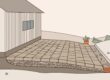
Pavers are made to carry weight, but they still need support under every inch. When driveway pavers deal with daily car traffic or patio pavers are walked on all day, the load should spread across the whole system. If one stone sits over a weak spot, that one paver takes the hit.
That is why I do not treat every crack the same way. A sharp turn from a car, a trash bin rolling over one edge, or heavy loads from equipment or planters sitting in one place can create a small pressure point. Over time, that pressure starts a crack, and the crack grows each time the area is used again.
High-traffic spots are the worst because the same path gets used over and over. The paver under the tire track, the step-down edge, or the narrow walkway section keeps taking abuse while the rest of the surface looks fine. That is when one paver breaks first and the ones beside it still look perfect.
The hard part is that the crack you see is usually the last thing to fail. Before that, the bedding sand may have experienced settlement, the joints may have loosened, or the base may have started moving. Once the support goes, the stone cannot carry the load the way it should.
What I Find Under High-Traffic Areas
Most people look at the top of the concrete pavers first. I look underneath them, as that is where the real problem usually lives.
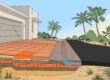
If the base was not a properly compacted base during installation, the stone can settle unevenly. If water keeps running through the joint lines due to improper installation or recurring drainage issues, it can wash out the sand and soften the support below. Once that happens, the stone begins to rock. Rocking leads to edge chips, then cracks, then full breakage.
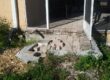
If I find a cracked paver, I do not stop at the crack. I check the base, the joints, and the drainage before I touch the replacement stone.
Joint sand matters more than most homeowners think. It is not just filler; it helps lock the pavers together and keep them from moving under traffic. When that joint sand disappears, the system loosens up. A loose paver is more likely to crack because it no longer shares the load with the stones around it.
Drainage is another big one. If a downspout dumps water right next to the hardscape, or if the area holds water accumulation after rain, the support can break down faster. I see that a lot in Florida, where heavy rain and strong sun work on the surface all year long.
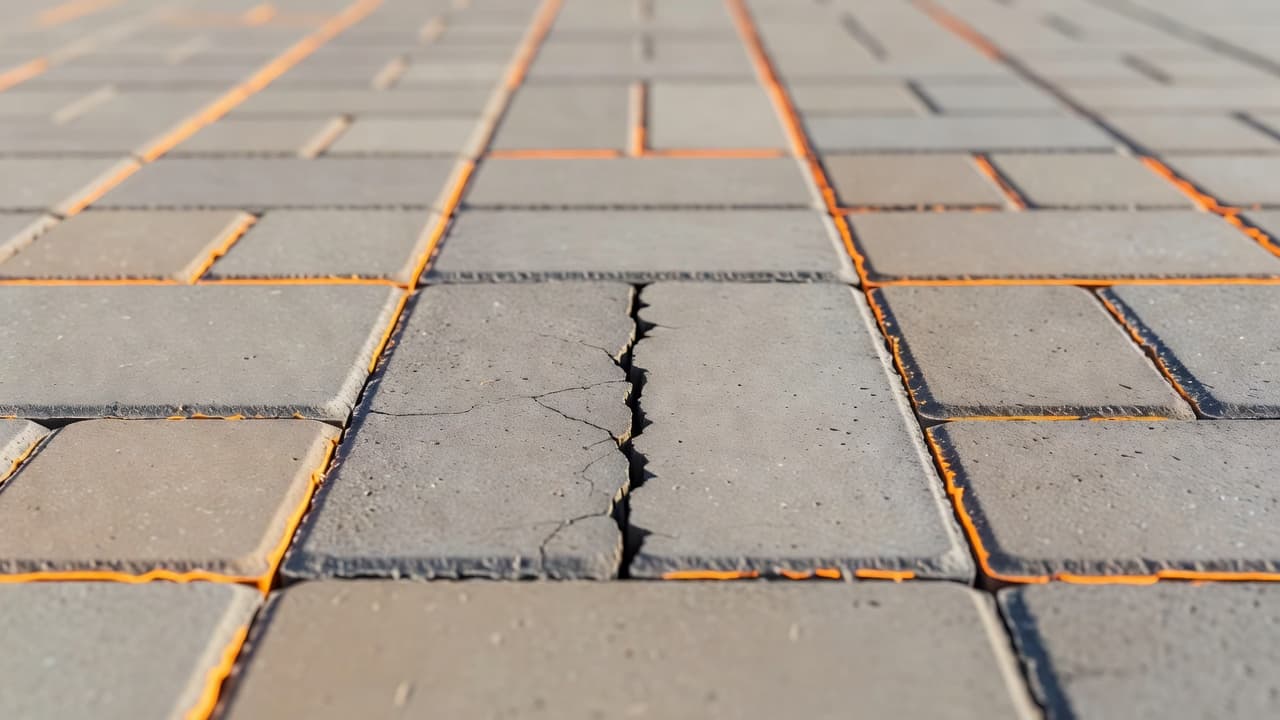
A crack like this is rarely just a surface problem. It usually points to movement below the stone, and that is what has to be fixed first.
Cleaning Habits That Can Make the Problem Worse
Proper paver maintenance is essential to keeping your hardscape in peak condition. I often get asked if pressure washing is safe for pavers. The answer is yes, but only when it is done the right way. Too much pressure can chip the surface and blast the sand out of the joints, which is why sealing pavers is a smart preventative measure to protect the surface from such damage. Once the joints are exposed, the stones lose a significant part of the structural support that holds them together.
Routine cleaning does not need to be aggressive. Soap and water can go a long way for normal dirt and dull buildup. For heavier stains, a controlled wash is better than a hard blast. A fan tip, lower pressure, and a steady hand are much safer than a zero-degree nozzle aimed at one spot.
When joint sand gets stripped out, the pavers start shifting more than they should. Using high-quality polymeric sand is the best way to prevent this shifting while also inhibiting weed growth. If you can see open voids between the stones, or if the joints look low and washed out, the surface is already losing the support it needs to stay stable.
Other small habits can add stress too. Car tires turning sharply on one spot, metal furniture legs scraping across a corner, or a loaded cart hitting a raised edge can chip a paver little by little. One hit may not crack it, but ten hits certainly can.
This is why I tell homeowners to stay ahead of the damage. If a driveway or patio starts looking tired due to heavy use or UV damage, I do not wait until several stones fail. I check the joints, the surface level, and the drainage before the problem spreads.
How I Repair a Cracked Paver the Right Way
A proper repair is not just swapping one stone and moving on. I want the area to stay solid after the job is done, so I start with the cause, not the symptom. When working with high-quality paving stones, taking the time to do the job correctly ensures longevity and stability.
Here is the process I follow:
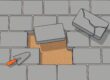
- I lift the cracked paver and the stones around it.
- I inspect the bedding layer and base underneath.
- I add and compact fresh material to the compacted base if the support has settled.
- I set the new paver level with the surrounding stones.
- I sweep in the right polymeric sand and lock everything back together.
That last step matters. If the joints stay empty, the repaired spot can move again. If the base is weak, the crack can come back fast. If drainage is the real problem, I want to catch that too before I call the job finished.
I also pay attention to matching. A replacement paver should fit the surrounding color and texture as close as possible. On a well-kept patio or driveway, a sloppy match sticks out right away. A good repair should blend in and keep the layout looking clean.
If the damage is tied to a larger settling issue, I will not pretend a simple patch will hold forever. Sometimes the fix is small, but sometimes the area needs more work. That is why I always inspect the full section of driveway pavers before I make a recommendation. If you want me to look at yours, you can Get a Free Quote and I will check the area before the crack turns into a bigger repair.
When Replacement Is Better Than Patching
Not every cracked paver needs a full rebuild, but not every crack should be patched either. If the stone is split all the way through, keeps rocking, or sits in a spot with repeated traffic stress, replacement is usually the smarter move. In high-traffic areas, constant exposure to freeze-thaw cycles and moisture infiltration can accelerate structural failure, rendering small patches ineffective against the ongoing environmental pressure.
I also look harder when the same area has cracked more than once. That usually means the real problem is underneath. A new paver over a bad base is still sitting on a bad base. It may look better for a while, then fail again.
Sometimes the answer is simple, such as re-laying the stone and refilling the joints. Other times, I need to address issues like improper installation, poor soil compaction, or failing edge restraints so the repair actually lasts. Additionally, tree roots are a common culprit for settlement and ground movement that destabilizes your driveway or walkway. If these underlying conditions are not corrected, you will likely see the damage return quickly, especially as repeated freeze-thaw cycles put even more strain on the foundation. That is the difference between a quick fix and a real repair.
If a driveway corner, walkway strip, or pool deck path keeps breaking, I want to solve the pattern, not just the broken piece. That saves time, money, and a lot of frustration later.
Frequently Asked Questions
Why does only one paver crack when the surrounding ones remain intact?
Usually, a single crack indicates a localized failure in the support system rather than a defect in the stone itself. If one paver sits over a weak spot or is constantly subjected to a specific pressure point, it will absorb the stress until it breaks.
Can pressure washing cause my pavers to crack?
While pressure washing is generally safe, using too much pressure can blast away the joint sand that provides structural stability. Once the sand is removed, the stones are no longer locked together, making them prone to shifting and cracking under weight.
Why does my paver crack again shortly after I replace it?
Replacing a broken paver without addressing the underlying cause—such as poor base compaction or inadequate drainage—will almost always lead to the same result. The new stone is essentially being placed on the same unstable foundation that caused the first one to fail.
How can I tell if my paver failure is caused by drainage issues?
If you notice persistent water accumulation, moss growth, or sand washout near the cracked area, your drainage is likely the culprit. Excess moisture softens the base material, causing the pavers to rock and eventually snap under the weight of regular traffic.
Conclusion
One cracked paver is usually not a mystery. It is a sign that the surface has been taking too much stress, losing support, or dealing with water in the wrong place. The crack serves as an early warning rather than the entire story.
When I repair pavers, I look at the full system to ensure the problem does not return. Consistent paver maintenance is essential for all types of materials, whether you have brick pavers or natural stone, to ensure they remain durable in high-traffic zones. By addressing these underlying issues, you can effectively manage common paver cracking causes and keep your high-traffic area strong for the long haul.