


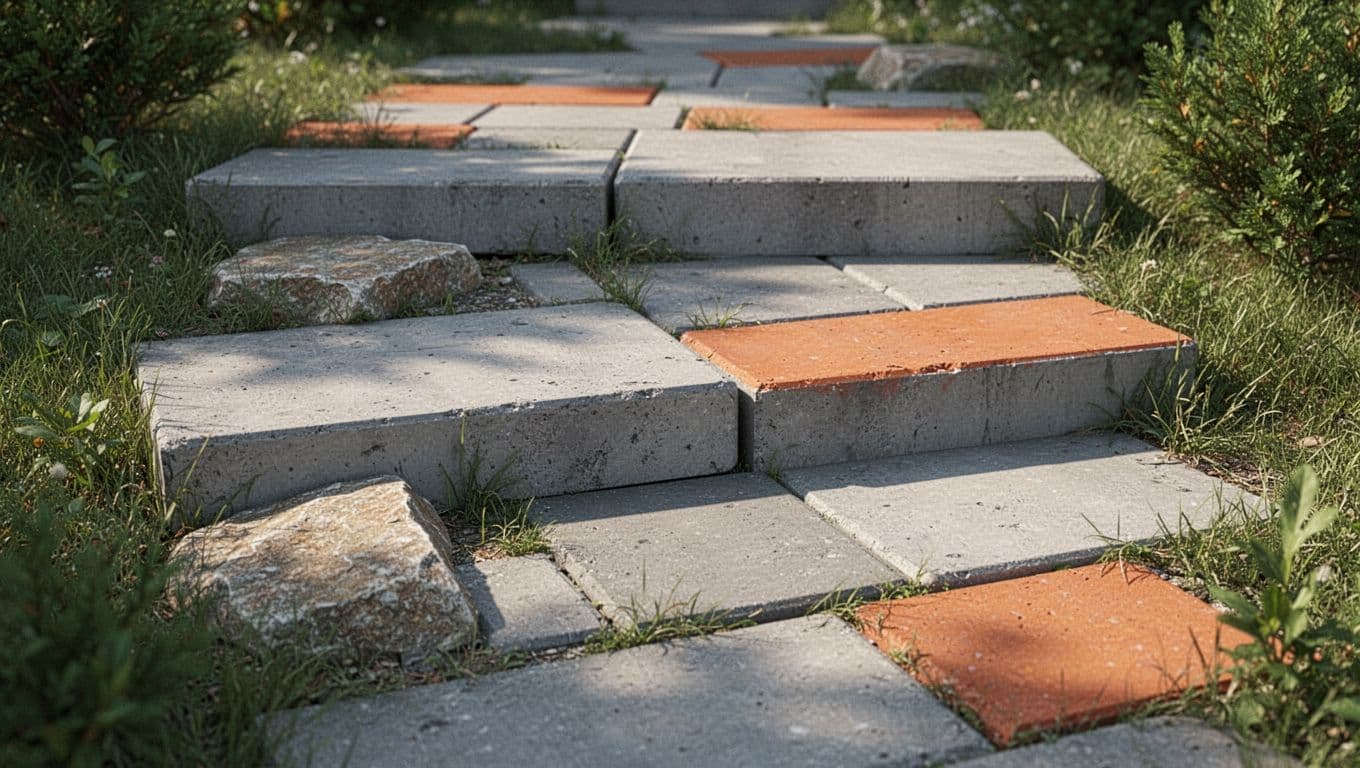
Uneven paver steps rarely happen all at once. One season they look solid, but eventually, you notice slight sinking, a widening joint, or a subtle tilt that makes the step feel unstable every time you walk on it.
I see this frequently after a few wet seasons here in Southwest Florida. Most of the time, the paver itself is not the real problem. The trouble lies underneath, where water, inadequate base support, or missing sand causes uneven paver steps to shift out of alignment over time.
If your entryways are tilting, dipping, or feeling loose, I want to break down what usually causes these issues and how I evaluate them before starting a repair.
Key Takeaways
- The primary issue is usually movement in the foundation rather than the top pavers, which often leads to noticeable sunken pavers over time.
- Water management is the single most important factor, as moisture is the leading cause of steps settling after a few seasons.
- Missing joint sand, aggressive pressure washing, and heavy foot traffic can accelerate the degradation process.
- Poor installation techniques often remain hidden initially but become apparent as environmental factors expose those structural weaknesses.
- A long-term repair must address the base, drainage, and edge restraint systems, rather than simply resetting the surface stones.
The base under the step has moved
When I find uneven paver steps, the first thing I look at is the base. The top paver can look fine, but if the support below it has shifted, the whole step starts to go out of level.
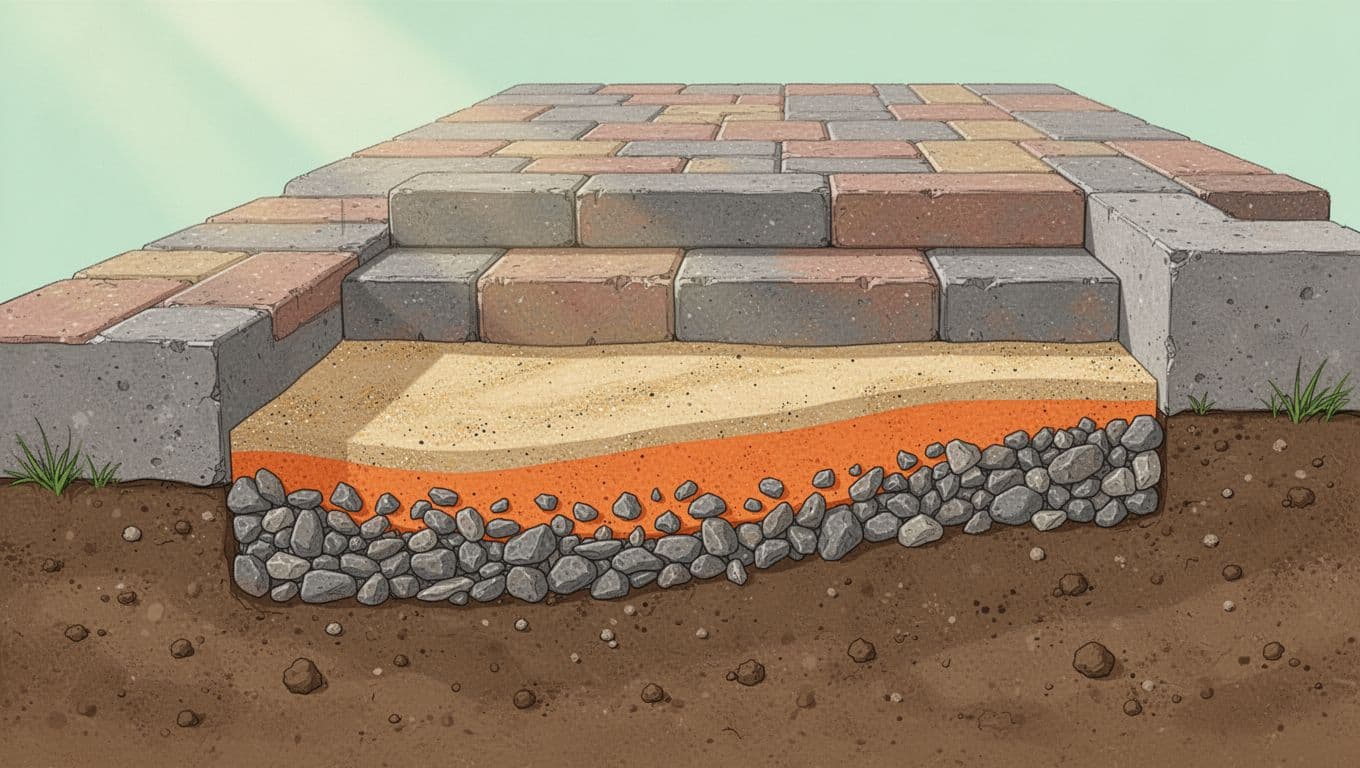
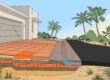
A proper paver step requires a stable subgrade, a thick layer of crushed stone, and a consistent bedding layer underneath. If any part of that stack is weak, the step settles like a chair leg on soft ground. It might move a little at first, then more after every rain. While Florida is warm, keep in mind that freeze-thaw cycles in other climates cause similar shifting because moisture trapped in the base material expands and disrupts the structure.
If one paver step is sinking, I don’t blame the top stone first. I want to know what moved below it.
A lot of these problems start with poor base compaction. If the base was not packed down in individual lifts, the base material can settle later. Proper base compaction is essential to prevent future movement. Additionally, if the bedding layer was too loose, too thin, or never stabilized well, the pavers lose support and start rocking. Once that happens, the step gets worse with every season.
Water is usually the real problem
Water causes more paver movement than most people realize. It infiltrates the joints, softens the soil below, and gradually carries away fine material. This erosion is exactly how a step that appeared solid last year begins dropping this season.
I pay close attention to downspouts, roof runoff, pool splash, and any area where water persistently strikes the same edge. If your drainage system fails to direct moisture away from the structure, the soil underneath will eventually wash out or soften. This is precisely when you begin to notice sunken pavers that tilt on one side while remaining high on the other.
Poor drainage is a significant contributor to this issue. If the area retains moisture after rain, the base material never gets a chance to stay compacted and stable. Even a small puddle of standing water compromises the structural integrity of the installation, and in our climate, this cycle of saturation and shifting happens quite fast.
A step near a walkway, driveway, or pool deck often moves when the surrounding grade is incorrect. When water runoff has nowhere to go, it inevitably finds the weakest edge. Implementing proper grading is the most effective solution to redirect moisture, ensuring that water does not pool against the base and lead to the common problem of uneven steps.
Joint sand loss opens the door
The jointing sand between your pavers does much more than just fill empty gaps. It acts as the primary locking mechanism that keeps every stone tightly bound to its neighbor. When this material washes out due to erosion, the individual pieces begin to shift, which eventually compromises the integrity of the entire structure and prevents you from maintaining a perfectly level surface.
This erosion often happens after heavy rain, but it also frequently occurs after aggressive cleaning. I often see homeowners blast pavers with too much pressure, which unknowingly pulls the jointing sand right out of the gaps. Once the binding material is gone, the step loses its structural support and the edges inevitably begin to move or settle.
That is why I am always careful when cleaning. A dirty surface does not always require a high-pressure blast. Sometimes soap, water, and a stiff brush do the job more effectively without damaging the foundation. If pressure washing is necessary, it should be performed with the correct nozzle, at a safe distance, and with a light touch. Excessive force can chip your pavers and empty the joints, leading to future stability issues.
When the sand has been depleted, I recommend refilling the gaps with high-quality polymeric joint sand. This specialized material is designed to lock the joints back together, resisting water erosion and preventing weeds from taking over. By keeping your joints properly filled, you ensure a solid bond, which gives your steps a much better chance to stay level and exactly where they belong.
Bad installation details show up later
A lot of uneven paver steps come down to the original install. The problem may not show right away. It can take a few seasons of heat, rain, and foot traffic before the weak spots start speaking up, eventually creating a significant tripping hazard that needs immediate attention.
If the base was too shallow, the edge restraint was weak, or the bedding layer was not built right, the step can slowly drift out of level. The surface may look fine for a while, but once a hardscape contractor fails to use proper base compaction, one section often starts to separate or dip. That is usually the first warning sign.
I also see movement where the walkway pavers were cut tight but never fully supported by the edge restraint. That can leave a hollow spot under the step. Once someone starts walking on it every day, the movement gets worse, and the uneven surface turns into a tripping hazard. Small flaws in the beginning turn into bigger repairs later.
Heavy use plays a part too. Steps near driveways, patios, and side yards take a beating. Add in lawn equipment, trash bins, or repeated foot traffic, and the weak areas start to settle faster. If the original work was not compacted correctly, the surface eventually tells on itself.
Roots, runoff, and outside pressure
Not every uneven paver step comes from the inside. Sometimes the problem starts from external environmental factors pushing against the structure.
Tree root intrusion is a common culprit, as roots can slowly push under the base and lift sections over time. They do not always cause a dramatic break; sometimes they simply nudge the pavers enough to create a subtle hump or dip. That minor change is enough to throw off the alignment of the entire step.
Runoff from nearby landscaping can cause similar trouble. If irrigation constantly soaks one side, the soil beneath the aggregate base softens. If a planter holds moisture near the edge, the ground can loosen and shift. Even small, consistent water sources matter when they keep hitting the same spot. To prevent this, professional installations often use a layer of geotextile fabric to separate the subgrade from the base material, which helps prevent soil mixing and maintains structural integrity.
I also look at what happened around the area after the step was installed. Utility work, excavation, or other landscape repairs nearby can disturb the ground. Once that established base is opened up, it may not settle back in the same way. You can have a stable step one month and a soft spot the next.
Storms do their share of damage too. Heavy rain and fast runoff can move joint sand, wash out the edges, and leave the step leaning before anyone notices. A little bit of movement in the base always becomes a visible problem on the surface of your pavers.
What I check before I repair the steps
When I look at uneven paver steps, I do not start with the top surface and guess. I want to know exactly what moved, why it moved, and how far the underlying problem has gone. Before I begin any professional paver restoration, I conduct a thorough inspection of the area.
I usually check:
- the drainage path and the overall efficiency of your drainage system
- the integrity of the drainage system to ensure water is moving away from the structure
- the condition of the joint sand and whether it needs replenishing
- the edge restraint and the security of the borders
- any soft or hollow spots in the base that might require stone dust for stabilization
- signs of root growth, washout, or outside disturbance
Sometimes the fix is a simple lift and re-lay, or perhaps just a targeted patio repair. Other times, the step needs a deeper rebuild so the base is solid again. The important part is not pretending the surface alone can solve a support problem.
If you want me to look at yours, Get a Free Quote and I will inspect the step, the drainage, and the base before I recommend the most effective long-term solution.
Frequently Asked Questions
Can I just add more sand under the uneven paver to level it out?
I strongly advise against simply adding sand underneath, as this rarely fixes the root cause of the movement. Adding a thin layer of sand typically creates a weak, unstable spot that will likely shift again as soon as it rains or receives foot traffic. A proper repair requires inspecting the base, correcting the drainage, and ensuring the foundation is properly compacted.
How do I know if my uneven steps are a DIY fix or need a professional?
Small issues like minor joint sand loss can often be handled with a fresh application of polymeric sand. However, if your pavers are tilting, dipping, or rocking when you step on them, you likely have a base failure that requires a professional assessment. I recommend calling in an expert to evaluate the drainage and underlying structure to prevent the problem from worsening.
Does pressure washing my pavers cause them to become uneven?
Yes, aggressive pressure washing is a common cause of instability because it strips away the vital jointing sand that locks the stones together. Once this sand is gone, the pavers lose their lateral support and begin to shift individually. If you must clean your hardscape, I recommend using a light touch and specialized cleaning solutions rather than high-pressure blasts that can damage your foundation.
Conclusion
Uneven paver steps are typically a sign that the foundation underneath has shifted. Whether the cause is poor compaction, water drainage issues, or structural pressure, these factors eventually leave a visible mark on your hardscape.
The good news is that these problems can be corrected permanently once the underlying cause is identified. Restoring your walkway to a perfectly level surface is well worth the effort, as it ensures both safety and longevity. A step should feel solid and secure every time you use it; if it does not, addressing the issue early will prevent further damage and help you maintain a beautiful, functional outdoor space for years to come.