


I see paver border separation all the time, and it usually starts small. A thin gap shows up, one edge feels loose, then the border starts to drift away from the main field.
That little shift can look harmless at first, but it is not. Once the edge loses support, water, traffic, and time keep working on your patio pavers until the entire line breaks down.
Key Takeaways
- Border separation is a systemic issue: A gap at the edge is rarely just a cosmetic defect; it is typically the first sign that your patio or walkway’s foundation or structural restraint is failing.
- The border bears the most stress: Because it lacks support on its outer side, the edge is the most vulnerable area to movement caused by soil settlement, heavy traffic, and poor drainage.
- Edge restraint is critical: High-quality, properly anchored edge restraints are essential to prevent pavers from creeping or shifting outward over time.
- Address the root cause, not just the symptom: Simply pushing stones back into place will not work; a durable repair requires rebuilding the base, securing the restraint, and managing water runoff to prevent further erosion.
Why the Border Pulls Away from the Main Field
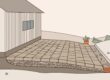
The border serves as the outermost perimeter, and because of its position, it absorbs the most stress. While the central paver field is locked together by a tight interlock system, the border has one side fully exposed. This lack of structural containment makes it the first place where movement becomes visible.
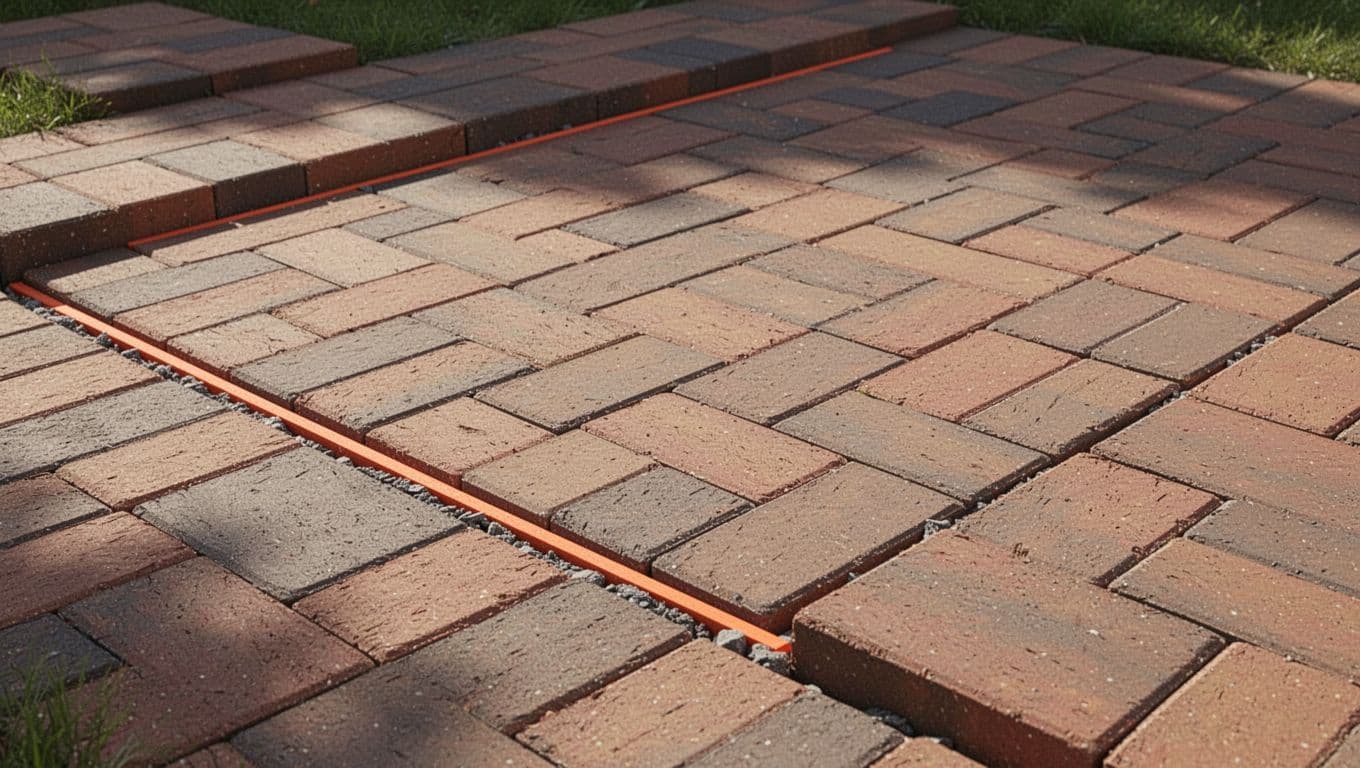
When I inspect a patio, driveway, or outdoor living space, I first look at what the border is sitting on. If the base under that edge wasn’t compacted well, the stones can settle. If water is washing out the bedding sand, the edge starts to sink or lean. If the restraint failed, the border can slide outward like a row of books missing a bookend.
Southwest Florida conditions make this worse. Heavy rain, sandy soils, irrigation overspray, and constant sun all put stress on the edges of your hardscape. A high-quality driveway installation must account for tire loads, while a pool deck border deals with constant splash and moisture. Even a simple walkway border is subjected to consistent foot traffic and the natural cycle of shifting pavers caused by changing soil moisture. The border does not need a catastrophic failure to separate; it only needs one weak spot to begin the process.
I also see separation where the installation was rushed. If the edge was cut too close to soft ground, or if the stones were set before the base was fully stable, the problem inevitably shows up later. The center of your project might still look perfect, but the border is the part that tells the truth about the foundation first.
The Hidden Job of Edge Restraint
A lot of homeowners never think about edge restraint until it fails. I get that. You don’t see it once the job is finished, but it does a lot of the quiet work.
This system holds the outer line of pavers in place, providing the necessary lateral support to keep the border from spreading under pressure. Without quality paver edging, the units can creep, tilt, or open up at the joints. Whether the project uses rigid paver edging, plastic strips, or decorative concrete curbing, the goal remains the same: keeping the border locked to the rest of the surface.
There are a few ways a system can fail. Sometimes the edge restraint was never installed well enough to withstand the load. Sometimes the spikes or fasteners loosen over time. Sometimes the material sits in soft soil instead of firm support, so it moves when the ground shifts. And sometimes the paver edging is there, but the base below it is already failing, so the edge still walks away.
Think of it like this: the border is the frame and the field is the picture. If the frame slips, the whole picture looks crooked.
If the edge starts moving, I don’t blame the pavers first. I look at the support under them.
Water is the other big piece here. If water runs along the border and cannot drain properly, it can carry joint sand out from between the units. Once the bedding material leaves, the restraint has less to hold. That turns a small gap into a bigger one.
I pay close attention to where the water goes after a storm. Downspouts, low spots, and pool runoff can all push water right at the edge. The pavers do not need to be damaged to separate. They only need the ground beneath them to give up.
Signs the Problem Has Already Started
I do not judge paver border separation by the size of the opening alone. I look at how the entire edge is acting. That tells me whether I am dealing with a small cosmetic issue or a deeper issue regarding the structural stability of the installation.
| What you see | What it usually means | How serious it is |
|---|---|---|
| A narrow gap between the perimeter stones and the field | The edge has started to move | Early warning |
| A border paver that rocks when stepped on | The bedding sand has washed out | Needs attention soon |
| Joint sand keeps disappearing after rain | Water is moving through the edge | Check drainage and restraint |
| The border line looks sunken or shifted outward | The base material has likely settled | Often more than a surface fix |
If I see more than one of those signs at the same time, I stop thinking about a quick touch-up. A border that rocks and sinks usually has a support issue under it. A border that keeps losing joint sand usually has a water problem as well.
The size of the gap matters, but the pattern matters more. One loose stone can be simple. A whole edge drifting out of line is a system problem. That is the part people miss. They see a few bad pieces, but the failure started below them.
I also check the nearby pavers. If the field is tight but the edge stones are loose, the edge restraint may be the weak link. If both the border and the first few rows are moving, the foundation itself is probably part of the story. Either way, I do not want to patch the face of it and leave the cause behind.
How I Put the Edge Back Together
When I fix a separating border, I do not just push the stones back into place and call it done. That kind of quick fix usually only lasts for a month before it comes apart again. True stability requires a professional installation that addresses the root cause of the movement.
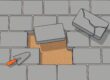
First, I lift the loose border and any pavers around it that have lost support. Then I check the base. If the material under it is soft, low, or washed out, I rebuild that section and compact it again. If the previous support was inadequate, I replace it with durable materials. The border needs something solid to hold against.
- I remove the loose border and the nearby pavers that are affected.
- I rebuild the base using open graded stone, ensuring the area is set on a firm, compacted stone foundation.
- I reset the border so it sits tight and level with the field, securing the new paver edging firmly in place with long galvanized spikes.
- I restore the joint sand, then check the slope so water moves away from the edge.
That process takes longer than a surface fix, but it lasts much longer too. If the edge is being held in place by fresh sand alone, it will inevitably move again. When the base is solid and the restraint is properly anchored, the border can stay put for years.
I also watch for drainage problems during the repair. If water keeps running at the same edge, the repair must account for that. Otherwise, the same washout will simply return. A good repair is not just about the pavers; it is about the ground and the water moving around them.
If your border is already shifting, Get a Free Quote and I can take a look before the movement spreads into the field.
Frequently Asked Questions
Why does my paver border pull away even though the rest of the patio looks fine?
The border is the only part of your hardscape that lacks structural support on one side, making it the most susceptible to lateral movement. Even if the center of your patio remains tight, environmental factors like soil settling or poor drainage will always impact the outer edge first.
Is it okay to just fill the gap with more sand?
Filling a gap with sand is only a temporary cosmetic fix and will not stop the underlying movement. If the border has already begun to shift, the foundation is likely compromised, and the sand will simply wash away again without proper structural reinforcement.
Can I fix a separating border myself?
While you can physically move the pavers back, fixing them properly requires specialized tools like plate compactors and proper base materials to ensure long-term stability. If the base was not installed correctly the first time, it is often best to have a professional rebuild the foundation to prevent the issue from recurring.
Does rain really affect paver edges that much?
Yes, water is a major contributor to paver failure because it washes away the fine bedding sand that holds the pavers in place. Once that support material disappears, the edge restraint has nothing to anchor against, which inevitably leads to the border shifting or tilting.
What the Edge Is Telling You
A separating border is rarely random. It usually points to one of three things: weak support, failed restraint, or water moving where it shouldn’t. Once I know which one is at work, the repair becomes much clearer.
The small gap at the edge is not the whole problem. It is a warning sign. If I catch it early, I can often save the rest of the surface. If I ignore it, the repair gets bigger, messier, and more expensive.
That is why I look at the border so closely. It does not just frame the hardscape design. It tells me when the whole system is starting to shift. Beyond structural integrity, maintaining a tight edge is vital for effective weed growth prevention, as gaps provide the perfect environment for unwanted plants to take root. These same principles of movement and restraint apply throughout your outdoor space, whether I am inspecting a retaining wall block or checking the stability of step edging. When you treat the border as a critical indicator, you can catch minor issues before they compromise the entire installation.