


Paver Driveway Rutting: Why Tire Paths Sink
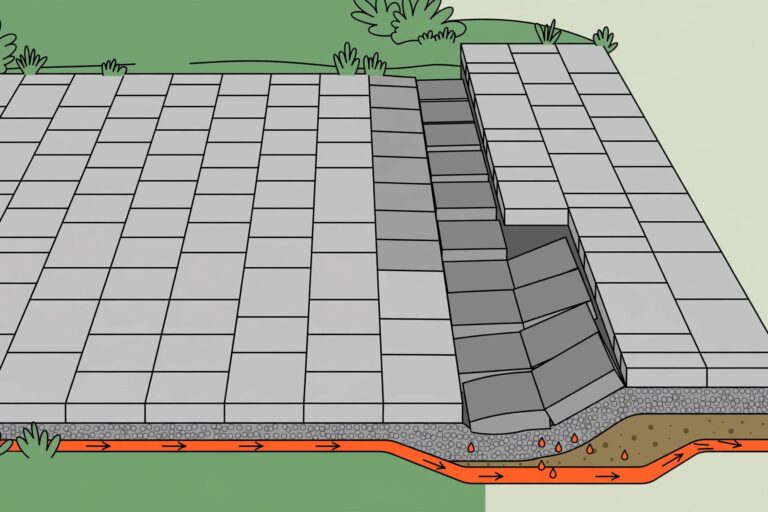
Paver driveway rutting usually develops because repeated tire loads compress or displace weak material beneath the pavers. Poor compaction, drainage problems, and loose edge restraints allow the same wheel paths to settle while the surrounding driveway stays higher.
I recommend addressing the support below the surface before replacing sound units or adding sand. Your driveway can look level after a quick patch, but lasting repair starts with finding what moved and why.
Key Takeaways
- Tire-path settlement usually points to a foundation, soil, drainage, or edge-support problem.
- Bedding sand and joint sand cannot repair unstable ground.
- Gravel grids and interlocking concrete pavers are different systems, and both need proper preparation.
- Sound units can often be lifted and reused after the foundation is corrected.
What Causes Paver Driveway Rutting?
Repeated Wheel Loads Compress Weak Layers
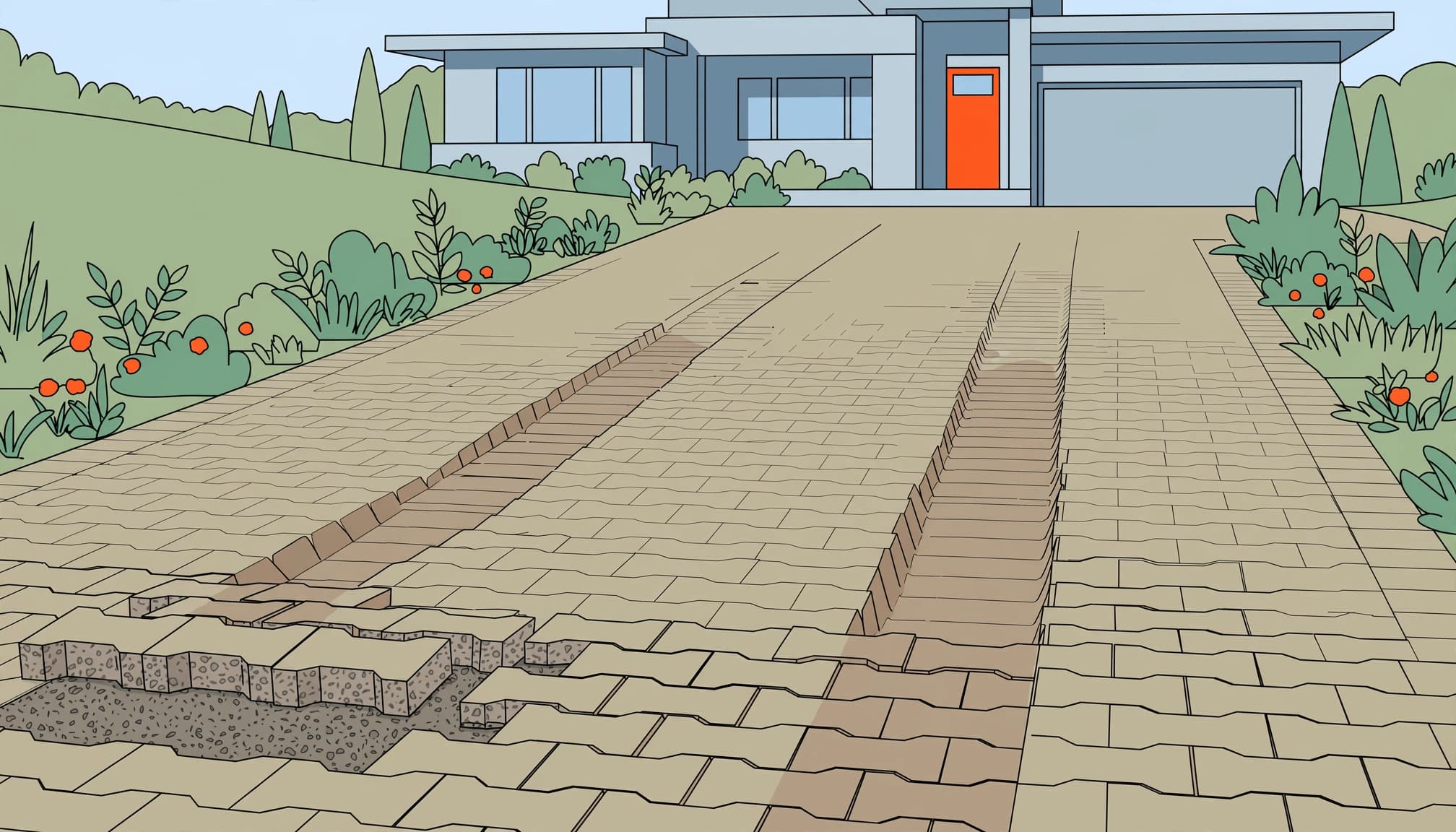
Your tires follow nearly the same route every day. Those narrow paths receive repeated loading, and turning or braking adds sideways force.
If aggregate was dumped in one deep layer and compacted only across the top, material below can remain loose. Tires gradually compress it, and the surface follows the changing foundation.
A thick bedding layer can also move under traffic. Bedding material should provide even support, not fill deep holes in the aggregate.
ICPI’s interlocking pavement design paper treats the pavement as a structural assembly. Strong pavers still need suitable layers underneath.
Water and Weak Edges Allow Movement
Water can wash fine material away, soften susceptible soil, or enter poorly compacted fill. Downspouts discharging beside the driveway deserve attention, especially when settlement becomes worse after storms.
Weak edge restraints allow the units to spread when wheels turn. Joints open, interlock weakens, and individual units can rock or drop.
For Southwest Florida properties, paver foundation repair in sandy soil also involves controlling soil migration and washout. Adding more sand above a void leaves the original problem underneath.
Read the Rut Before Choosing a Repair
Look at the Shape and Location
Two continuous ruts suggest repeated loading over inadequate support. Settlement across the whole driveway suggests a broader foundation problem.
A narrow depression crossing the wheel tracks can follow an old utility trench. Movement near the garage may involve disturbed fill or the transition to the slab.
I recommend looking beyond the lowest paver. Nearby spreading, rocking, and open joints help show how far the problem extends.
Watch What Happens After Rain
Standing water identifies low areas, but it doesn’t explain every cause. Look for sediment washing through joints, eroded edges, and runoff arriving from uphill.
A rut that keeps returning after releveling needs a deeper inspection. Repeating the same surface patch leaves the failure in place.
Sudden sinking, a visible cavity, or suspected underground leakage calls for professional assessment before vehicles use the affected area.
How to Repair Ruts in an Installed Paver Driveway
A small settled section may be repairable without replacing the entire driveway. I recommend a method that restores support and drainage together.
- Lift the affected section. Remove the low units and enough surrounding units to expose the full damaged area. Keep reusable pieces organized by pattern.
- Inspect below the bedding. Look for loose aggregate, soft soil, voids, washout, and failed edge support. Remove unstable material rather than covering it.
- Correct the cause. Address concentrated runoff, unsuitable fill, or missing separation before rebuilding. Geotextile may be appropriate where soil could migrate into the aggregate.
- Rebuild and compact the foundation. Place suitable aggregate in controlled lifts and compact each lift. Thickness depends on the material and equipment, so one deep placement isn’t a reliable shortcut.
- Reset and finish. Restore a thin, consistent bedding layer, relay the pavers, secure the edges, and replace the correct joint material. Complete final compaction using equipment and surface protection appropriate for the pavers.
Our guide to fixing uneven pavers covers the reset process in more detail.
The finished repair should match the surrounding pattern and drain properly. Replacing intact pavers with new ones won’t improve support underneath.
How to Reduce Rutting on a Gravel Driveway
Loose gravel behaves differently from interlocking pavers. Unstabilized stone moves under tire pressure and friction, so spreading and repeated repairs are common concerns.
Restore Depth, Moisture, and Compaction
A common gravel-surface recommendation is at least 3 inches, but that isn’t a complete foundation specification. Excessive loose gravel can spread more easily.
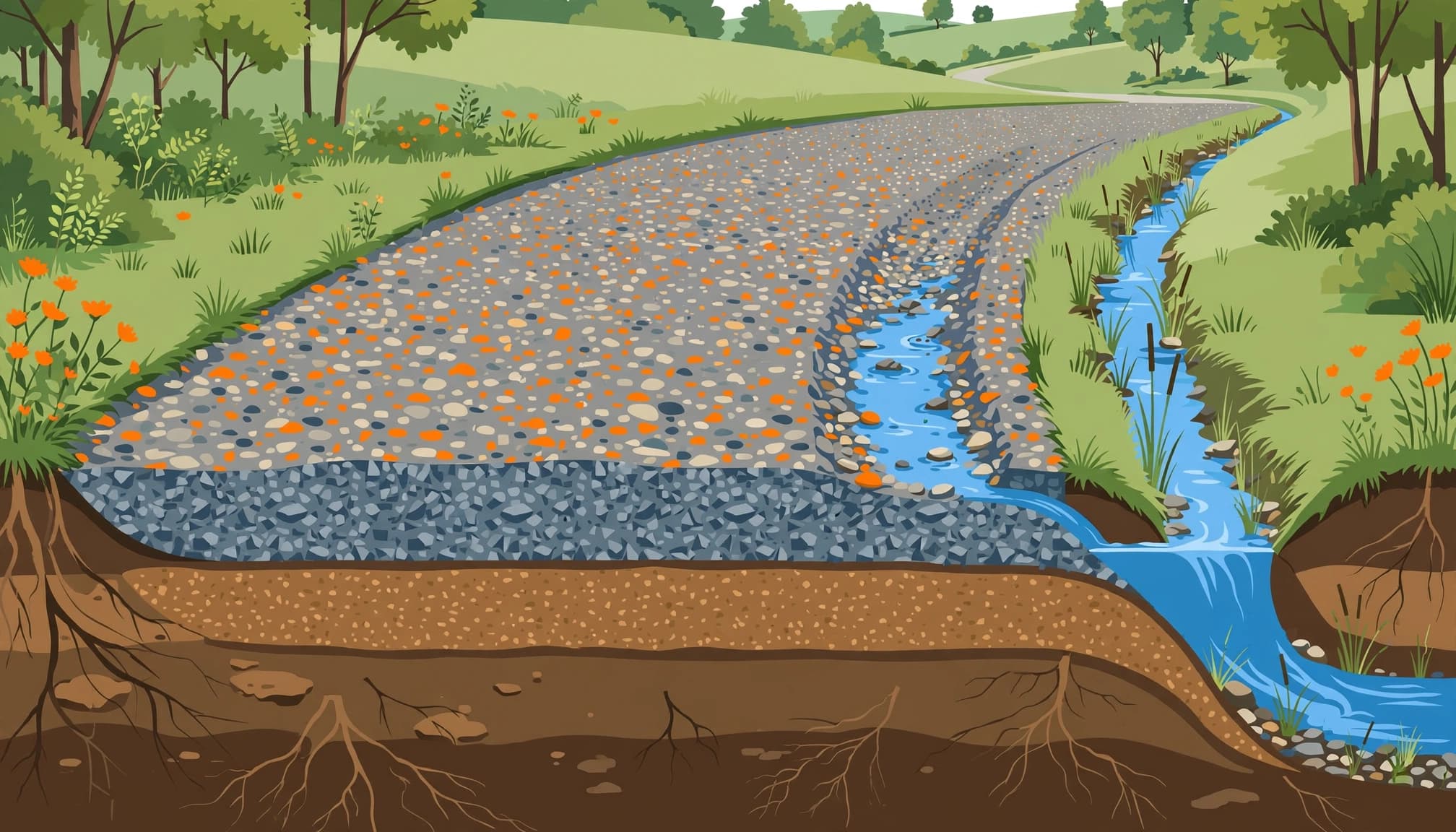
Rake displaced material back into shallow tracks. Pack small areas with a hand tamper or similar tool; a hoe can help with minor touch-ups. Larger areas need suitable compaction equipment, such as a roller. After compaction, rake loose gravel across the surface to feather the repair into surrounding material.
Lightly spray the gravel until it’s moist, not muddy. Flooding can soften the ground and carry fines downhill. Wood planks or stone borders can contain spreading along driveways and walkways, but they don’t prevent dips beneath wheel loads.
Restore Drainage and a Modest Crown
A controlled crown helps shed water toward suitable drainage routes. The FHWA gravel-road maintenance guide covers surface shaping, drainage, and aggregate selection.
A large center hump needs reshaping rather than repeated filling of wheel tracks. The EPA-hosted gravel-road maintenance manual identifies combined rutting, crown loss, and gravel loss as reasons for major reshaping.
An older homeowner method used a stoneboat made from three railroad rails welded 1 foot apart, dragged every few weeks. That redistributes surface material; it doesn’t rebuild weak ground.
In freezing climates, varying tire tracks slightly can help recompact heaved gravel. It won’t repair structural settlement beneath pavers.
Which Gravel Materials Bind Better?
Fines help bind angular stone into a compacted surface. Too few fines can leave loose rock, while unsuitable fines can create dust, mud, or drainage problems.
Road base is often an economical option, but exposed material can erode under concentrated runoff. Limestone crusher fines and crushed asphalt can form tighter surfaces when properly graded, moisture-conditioned, and compacted with a roller.
A 2001 Fine Homebuilding discussion included a homeowner’s report that low-dust, 3/4-inch crusher run packed poorly. That experience doesn’t describe every crusher-run product. Gradation matters more than the name alone.
The same discussion quoted asphalt millings near $8 per yard. That’s a historical price, not a current project budget. Posters also reported fewer weeds and earlier snow clearing on millings, but neither is a guaranteed result.
One poster estimated trucking at about 75% of delivered gravel cost. That isn’t a universal ratio, though delivery clearly belongs in the comparison.
For paver repair, excavation, drainage correction, access, and the amount of reusable paving determine the work involved. I wouldn’t compare a shallow reset with rebuilding two failed wheel paths as though they were the same repair.
Will Permeable Grids or Pavers Stop the Problem?
Plastic gravel cells confine loose stone and help stabilize the surface. Grid size, fill material, edge support, soil conditions, and vehicle weight still control performance.
TRUEGRID describes its PRO PLUS cells as 100% recycled plastic and designed to let stormwater pass into the ground below. The company advertises installation with basic equipment in less than a day and cells that can be saw-cut around curves or trees. Site preparation still controls the actual schedule.
A gravel grid can suit occasional parking. For a regularly used driveway, interlocking concrete pavement offers a different finished surface and repair approach.
Engineered permeable pavers use washed angular joint aggregate over an open-graded stone base. They may need an underdrain or overflow route where infiltration is limited.
Ordinary fine sand can clog a permeable assembly. A grid also differs from buried geogrid reinforcement. Neither replaces excavation, drainage planning, or compaction.
Frequently Asked Questions
How Deep Should a Paver Driveway Base Be?
A common starting range is 6 to 8 inches of compacted aggregate for a residential driveway. Weak soil, heavier vehicles, and drainage conditions may require more.
Paver thickness and the bedding layer add to excavation depth. A 3-inch loose-gravel surface recommendation isn’t a paver-base design.
Would Geotextile Fabric Prevent Rutting?
Geotextile fabric can separate soil and aggregate so particles don’t mix where the design calls for it. That helps preserve the aggregate layer.
Fabric cannot strengthen every soft area by itself. It doesn’t replace stable subgrade, adequate aggregate depth, drainage, or proper compaction.
Can Sealing or Polymeric Sand Fix Tire-Path Depressions?
No. Sealer protects the exposed surface, while suitable joint material helps maintain interlock. Neither restores missing support.
I recommend correcting settlement before cosmetic work. Our paver sealing and maintenance tips cover routine care after structural problems are addressed. Aggressive pressure washing can also remove joint fill, so cleaning needs care.
Should the Whole Driveway Be Replaced?
Not automatically. A limited defect can often be repaired by lifting and resetting sound units over corrected support.
Widespread settlement, repeated edge separation, or recurring wheel-path failure can justify rebuilding a larger section. I recommend choosing the repair area around the failed foundation, rather than stopping at the visible low spots.
A Lasting Repair Starts Below the Tire Tracks
Paver driveway rutting needs a repair that reaches the failed layer. Stable soil, compacted aggregate, sound edges, and controlled drainage give the finished surface dependable support.
I recommend correcting that foundation before spending money on new pavers or sealing. Quality workmanship underneath protects the appearance above.
For help with your driveway, Get a Free Quote and contact us for a free consultation and estimate.